
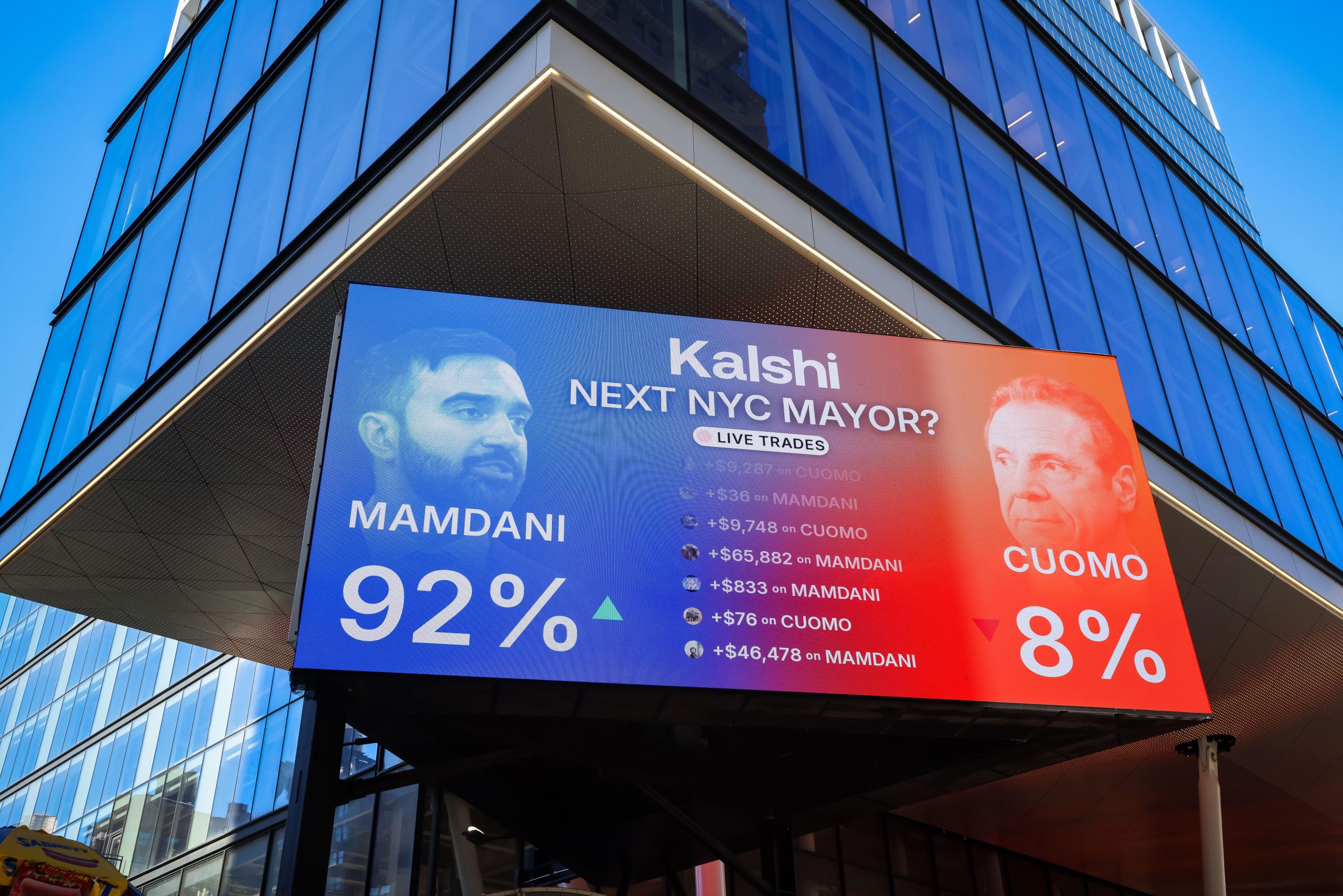
Wisconsin voters who participate in prediction markets tied to election outcomes could jeopardize their fundamental right to cast a ballot, state election officials have warned. The archaic law, dating back to the state’s founding in 1849, prohibits individuals from voting in an election where they have a financial stake, directly or indirectly.
This stern reminder comes as prediction markets, such as Kalshi, gain traction, allowing users to trade contracts based on the probable results of elections. State election authorities are now emphasizing that engaging in these markets can be interpreted as making a bet on an election, thereby disqualifying participants from voting in that same contest. Meagan Wolfe, administrator of the Wisconsin Elections Commission, stated, “We want voters to understand that they cannot legally make a bet on an election and cast a ballot in that same election.”
An Echo from the Past: The 1849 Statute
The core of the issue lies in a statute enacted shortly after Wisconsin achieved statehood. This nearly two-century-old law, “No person shall be allowed to vote in any election in which the person has made or become interested, directly or indirectly, in a wager upon the result of such election,” remains on the books. While the digital age has introduced new avenues for such “wagers” through sophisticated prediction markets, the legal principle remains the same: a voter cannot have a vested interest in the outcome of an election and then participate in that election’s democratic process. Election officials are concerned that many modern voters are unaware of this long-standing prohibition, especially with the increasing popularity of platforms that allow for financial speculation on political events.
Navigating the Nuances of Prediction Markets
Prediction markets operate by allowing users to buy and sell contracts that pay out based on specific event outcomes. For instance, a user might buy a contract predicting a particular candidate will win a gubernatorial race. If that candidate wins, the contract holder profits. However, Wisconsin election officials view this as a direct financial interest in the election’s result. The broad language of the 1849 statute, “become interested, directly or indirectly,” is being interpreted to encompass these modern financial instruments. This raises complex questions about intent and the definition of a “wager” in the context of sophisticated financial tools that are often framed as tools for forecasting rather than outright gambling. The potential for prosecution if such individuals vote, despite their participation in prediction markets, adds a significant layer of risk.
Implications for Democracy and Future Regulations
The Wisconsin situation highlights a growing tension between emerging technologies and established legal frameworks governing democratic participation. As prediction markets become more prevalent, similar legal challenges could arise in other jurisdictions. The interpretation of existing laws, or the potential need for new legislation, will be crucial in determining how these platforms interact with electoral integrity. Election officials are urging transparency and public awareness, emphasizing the importance of understanding the legal ramifications before engaging with election-related prediction markets. The ultimate goal, they state, is to safeguard the impartiality of the electoral process and ensure that all voters meet the established legal qualifications for casting their ballot.
Based on materials: Vox



