
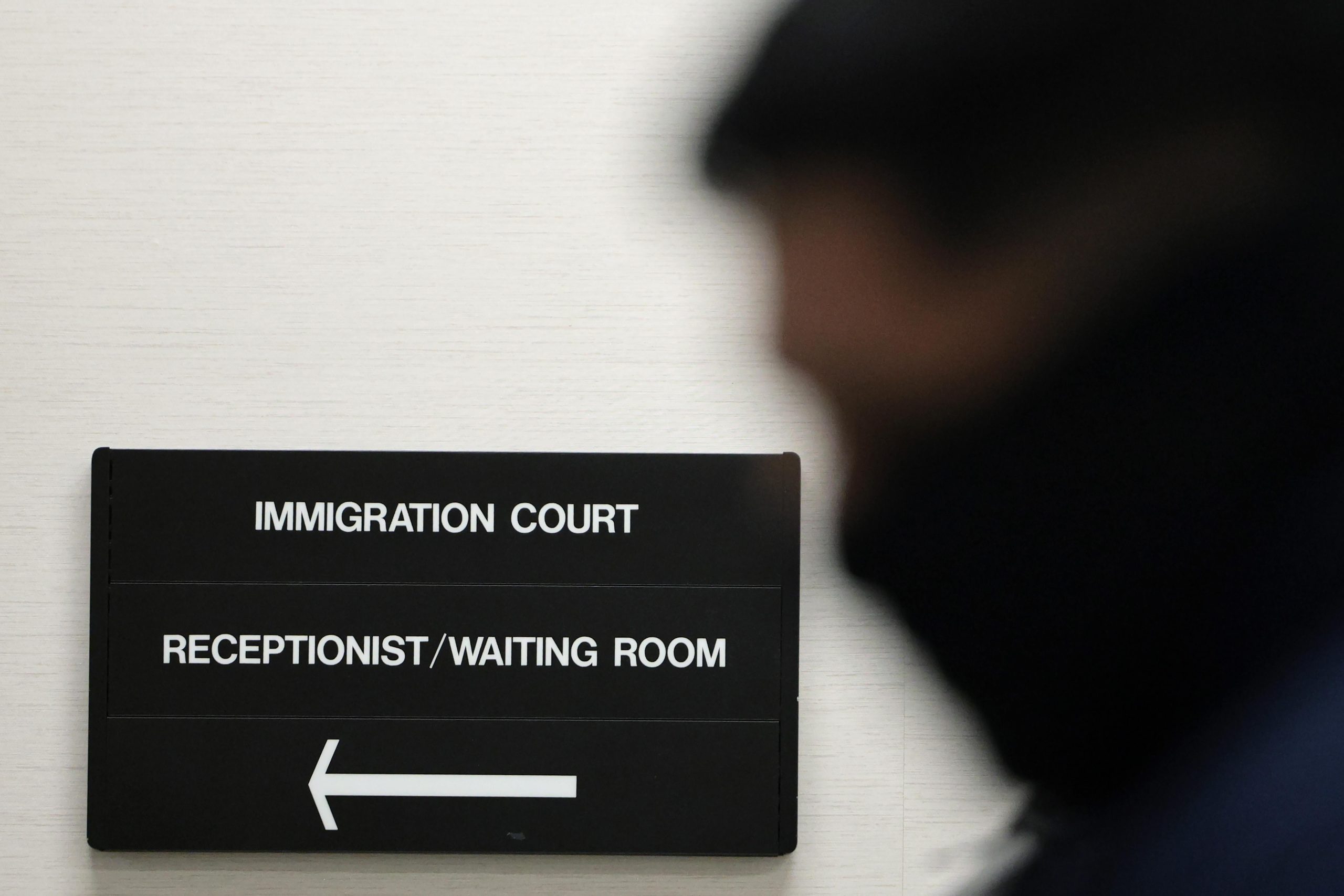
The Trump administration has implemented a new policy that significantly alters the asylum process, potentially leading to faster deportations for a vast number of individuals seeking refuge in the United States. This regulatory shift aims to streamline asylum claims, but critics argue it curtails essential due process protections for vulnerable asylum seekers.
The change, announced this week, impacts a substantial portion of ongoing asylum cases. Under the revised procedures, immigrants currently involved in over 444,000 asylum proceedings may be precluded from the standard pathway of initial interviews with asylum officers. This interview is a crucial step where individuals articulate their claims of persecution, a prerequisite for asylum eligibility based on factors like race, religion, nationality, or political opinion. Instead of this initial assessment, these cases will be directly routed to immigration judges.
Undermining Due Process?
This redirection represents a significant departure from established asylum protocols. Traditionally, asylum officers conduct preliminary reviews to determine if a case has sufficient merit to proceed to a full hearing before an immigration judge. By removing this initial screening opportunity, the new rule suggests a presumption of ineligibility or a belief that many of these claims lack substantiation. Immigration advocates and legal experts have voiced strong concerns, arguing that this bypasses a vital layer of review designed to prevent erroneous denials and ensure fairness. They contend that asylum seekers, often fleeing traumatic circumstances and with limited legal resources, may struggle to effectively present their case directly to a judge without the foundational support of an asylum officer interview.
Implications for the Asylum System
The practical consequences of this policy change are far-reaching. For individuals with active asylum cases, the immediate impact could be a hastened legal process, potentially leading to quicker deportation orders if their claims are not immediately compelling to an immigration judge. This could disproportionately affect those with complex cases or those who require more time and assistance to articulate their experiences of persecution. Furthermore, the shift places an increased burden on already strained immigration courts, which are grappling with a substantial backlog of cases. While the administration frames this as an efficiency measure, the potential for an increase in appeals and further legal challenges could offset any perceived gains in speed. The long-term effects on the integrity and fairness of the U.S. asylum system remain a significant point of debate.
The administration’s stated goal is to expedite the processing of asylum claims and reduce the number of individuals remaining in the country without legal status. However, the revised regulations raise critical questions about the balance between efficiency and the fundamental right to seek protection. As these changes take effect, the experience of thousands of asylum seekers will be reshaped, and the U.S. approach to humanitarian protection will face renewed scrutiny.
SOURCE: Vox
Based on materials: Vox



