
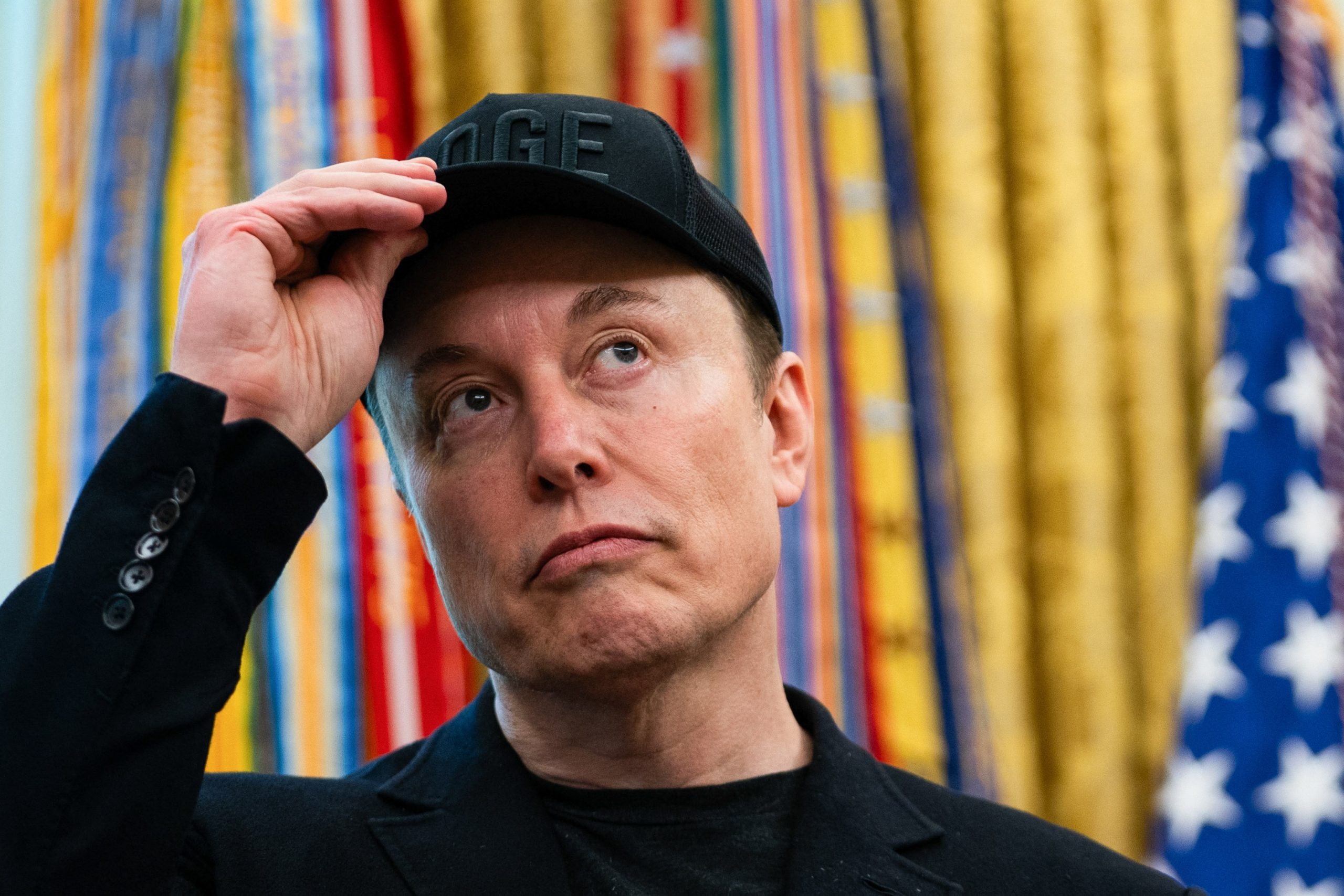
A new and provocative phrase, “suicidal empathy,” is rapidly gaining traction within right-wing circles, serving as a theatrical indictment of liberal ideologies. This concept, popularized by Canadian marketing professor Gad Saad and amplified by prominent figures like billionaire Elon Musk, posits that an excessive focus on compassion and aid for marginalized groups is not merely misguided but actively detrimental to the West’s long-term survival and achievements.
The Core of the “Suicidal Empathy” Argument
At its heart, the “suicidal empathy” critique suggests that progressive values, particularly those centered on social justice and support for the disadvantaged, represent a dangerous misallocation of resources and attention. Proponents argue that this unwavering commitment to uplifting those perceived as “on the bottom” diverts attention and resources from core societal strengths and national interests. This perspective frames liberal policies not as attempts at benevolent progress, but as a self-destructive impulse that undermines the very foundations of Western civilization, which they believe have been built over millennia through different principles.
From Academia to Social Media Amplification
The phrase “suicidal empathy” and its underlying arguments have moved from academic discourse and niche conservative publications to wider public platforms. Elon Musk’s endorsement and promotion of Saad’s book by the same name have significantly boosted its visibility. This amplification has allowed the concept to crystallize a broader narrative on the right: that liberal ideals are not simply a differing set of priorities, but an active threat. The concern, as articulated by adherents of this viewpoint, is that this perceived overemphasis on empathy is leading to a weakening of societal resilience and a disregard for established societal structures and values that have historically contributed to Western success.
Journalistic Analysis and Context
The rise of the “suicidal empathy” narrative highlights a deepening ideological chasm and a particular strain of conservative thought that is increasingly vocal and influential. It taps into anxieties about cultural change, national identity, and the perceived erosion of traditional values. While framed as a critique of liberalism, the “suicidal empathy” argument can also be seen as a defense of existing power structures and a rejection of efforts to address systemic inequalities. The use of strong, emotionally charged language like “suicidal” serves to alarm and mobilize a base, framing the political debate in stark, existential terms. This rhetorical strategy is often employed to discredit opposing viewpoints by imbuing them with inherent danger, rather than engaging with the substantive policy proposals or ethical considerations they represent. Understanding this framing is crucial to grasping the current landscape of political discourse, where ideological battles are increasingly fought with potent, attention-grabbing slogans.
Conclusion
The “suicidal empathy” concept represents a significant rhetorical weapon in the ongoing culture wars. It offers a seemingly simple, yet potent, explanation for a range of societal issues from a conservative perspective. By framing progressive ideals as self-destructive, this narrative aims to discredit them and rally support for alternative approaches. As this idea continues to be disseminated and debated, it will undoubtedly shape political discourse and influence policy discussions, underscoring the importance of critically examining the underlying assumptions and potential consequences of such powerful, yet often oversimplified, ideological pronouncements.
Based on materials: Vox



