
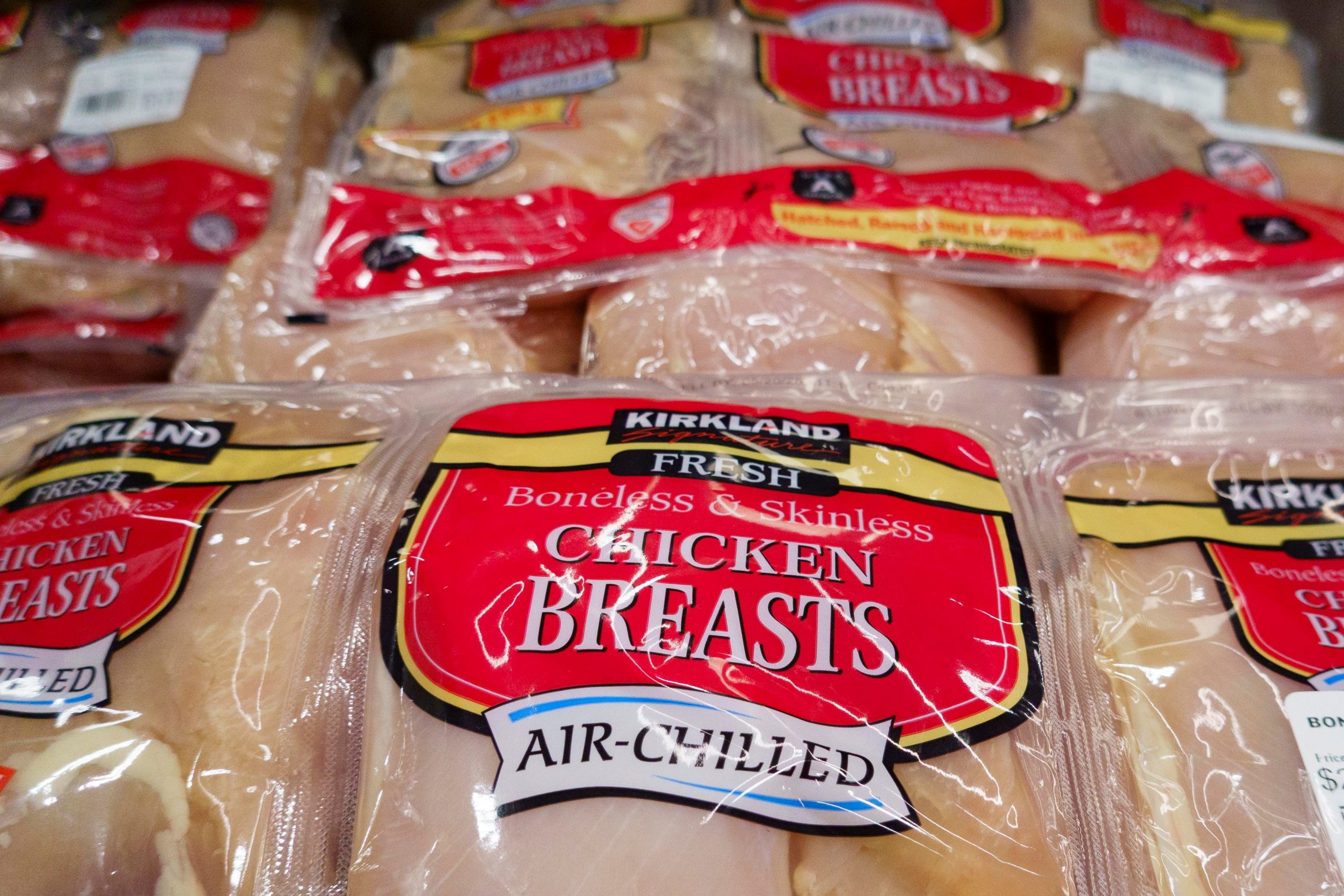
The allure of organic chicken often conjures images of idyllic farms, where birds roam freely on verdant pastures and receive attentive care. Consumers willingly pay a premium, often more than double the cost of conventional chicken, for this perceived higher standard of animal welfare. However, a recent undercover investigation is casting a shadow on these deeply held beliefs, suggesting that the reality for some “organic” chickens may fall far short of consumer expectations.
Beyond the Pasture: Unpacking Organic Standards
The “organic” label, particularly for poultry, is legally mandated to ensure a better life for the animals compared to conventionally raised counterparts. This typically includes provisions for increased space, access to fresh air, and outdoor environments. These are the very assurances that drive many shoppers to choose organic, believing their purchase supports a more ethical and humane system. The common perception is that sick or injured birds receive veterinary attention, and any necessary euthanasia is performed with compassion. While not pets, a fundamental assumption is that abuse is absent.
Investigative Revelations: A Disconnect from Idealism
Despite the legal requirements and marketing narratives, the undercover investigation has brought to light concerning findings that challenge the idyllic vision of organic chicken farming. While specific details of the investigation’s findings are not fully elaborated in the provided description, the implication is a significant disconnect between the promise of organic certification and the on-the-ground practices. This raises critical questions about the effectiveness of current oversight and the true welfare conditions experienced by these animals before they reach our plates.
The findings suggest that the reality for some chickens raised under the organic banner may be far from the humane treatment consumers expect. This investigation serves as a stark reminder that even seemingly straightforward certifications can have complexities and potential shortcomings that warrant public scrutiny. As consumers, understanding the nuances behind food labels is crucial for making informed choices that align with our values. The implications of this report extend beyond just one retailer, prompting a broader conversation about transparency and accountability in the organic food industry.
Conclusion: A Call for Transparency and Scrutiny
The investigation into Costco’s organic chicken underscores a critical need for greater transparency and rigorous enforcement within the organic farming sector. While the label signifies a commitment to higher welfare standards, it appears that the execution of these standards may not always align with consumer expectations or regulatory intent. This situation calls for a deeper dive into the supply chains and farming practices associated with organic poultry, encouraging both consumers and regulatory bodies to demand more concrete evidence of humane treatment. The premium price paid for organic products should unequivocally translate to a demonstrably better life for the animals involved.
Based on materials: Vox



