
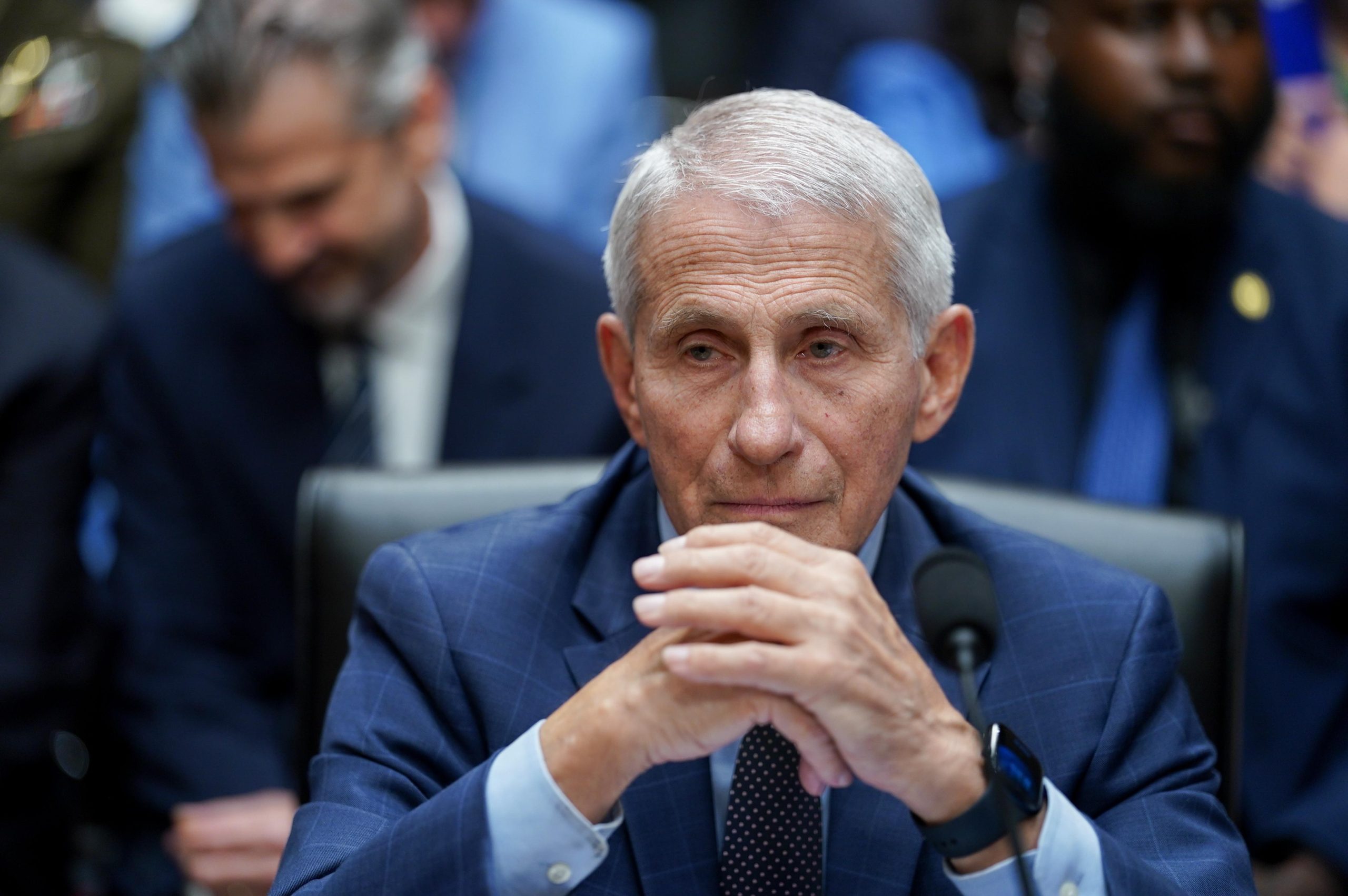
Anthony Fauci, a pivotal figure in the nation’s response to the COVID-19 pandemic, found himself back in the spotlight this week, testifying before a Senate committee. The hearing, marked by palpable tension and deep partisan divisions, saw the former director of the National Institute of Allergy and Infectious Diseases (NIAID) compelled to revisit and defend his actions and statements from years prior. This latest appearance underscores the persistent and often acrimonious debate surrounding the pandemic’s origins and the strategies employed to combat it.
Lingering Questions and Partisan Division
The subpoena issued by Senate Republicans aimed to scrutinize newly unearthed diary entries and further investigate the contentious theories surrounding how the virus first emerged. For Dr. Fauci, who has become synonymous with America’s fight against infectious diseases and boasts an extensive record of congressional testimony, this hearing represented a familiar yet fraught arena. The proceedings highlighted how, even years after the initial crisis, the pandemic remains a deeply politicized issue, with different factions seeking to assign blame and reframe the narrative. The focus on five-year-old records suggests a prolonged effort to find conclusive answers, or perhaps to solidify a particular political stance, by revisiting the earliest days of the outbreak.
Defending Decisions Amidst Ongoing Debate
The core of the Senate’s inquiry revolved around establishing a definitive origin for COVID-19, a question that has fueled extensive speculation and scientific investigation. While the scientific community largely leans towards a zoonotic origin, the possibility of a lab leak has remained a persistent, albeit less widely supported, theory. Dr. Fauci’s testimony aimed to provide clarity and context to the decisions made during the pandemic’s initial phases, including his own evolving understanding of the virus and the public health guidance issued. His long tenure and prominent role placed him at the center of many of these critical decisions, making his perspective invaluable, yet also a target for those seeking to challenge the established timeline and rationale.
The Unending Pandemic Echo
The continued focus on Dr. Fauci and the pandemic’s origins speaks volumes about the lasting impact of COVID-19 on American society and its political landscape. The hearings serve as a stark reminder that the “COVID debate” is far from over. Instead, it has evolved into a protracted examination of scientific expertise, governmental response, and the very nature of truth in a highly polarized information environment. As the nation continues to grapple with the long-term consequences of the pandemic, these congressional examinations underscore the ongoing search for accountability and understanding, even as the immediate crisis has subsided. The enduring legacy of COVID-19 appears to be a watershed moment for public health, scientific communication, and political discourse, with its echoes continuing to resonate in the halls of power.
Based on materials: Vox



