
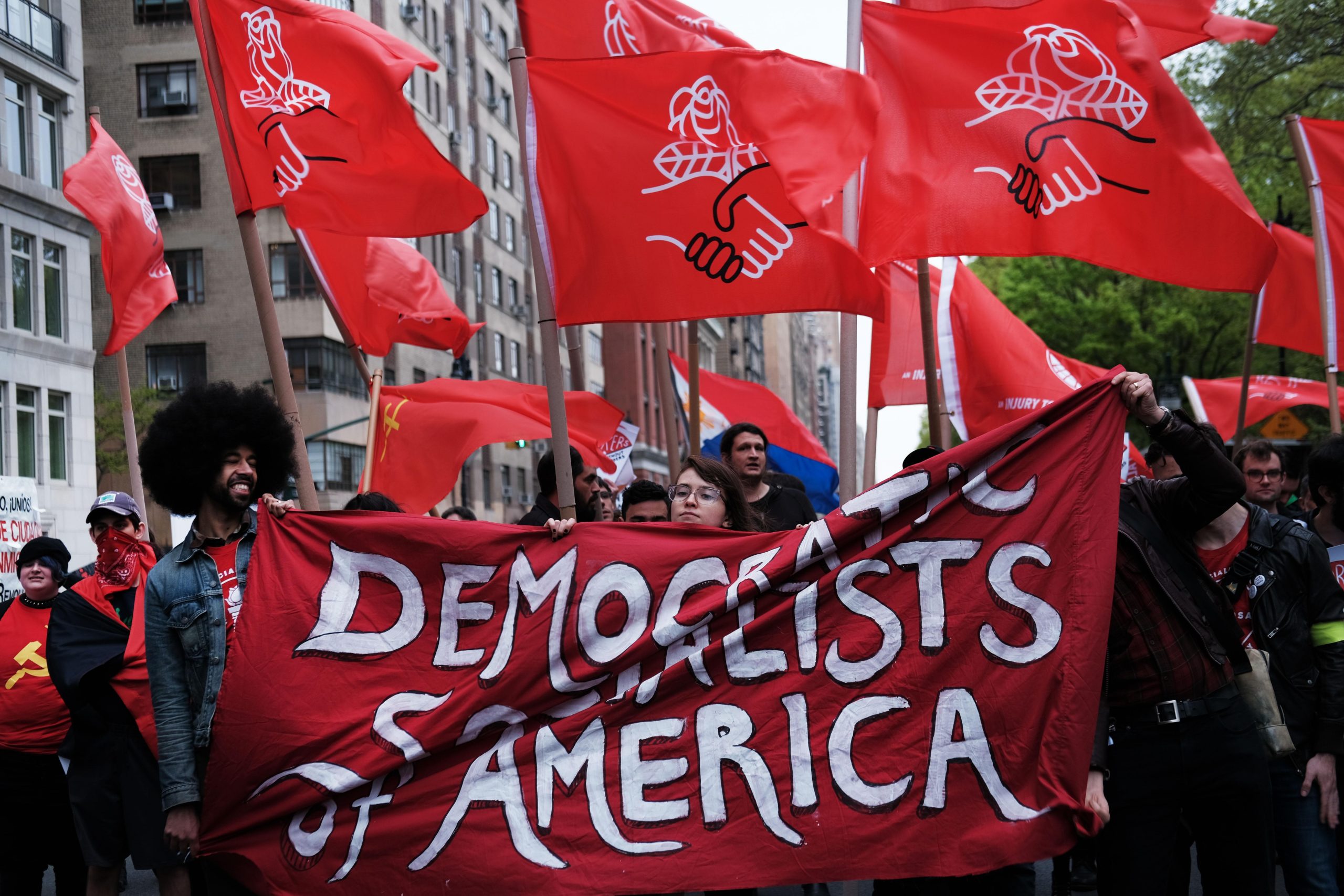
The Democratic Socialists of America (DSA) is experiencing a period of unprecedented growth and influence, marked by significant electoral victories and a surge in membership. However, this success is increasingly shadowed by internal divisions and heightened external scrutiny, raising questions about the organization’s future direction and coherence.
Elective Triumphs Fuel Expansion
In what has been a banner year for the DSA, the organization has seen its ranks swell to an impressive 120,000 dues-paying members. This surge is partly attributed to a series of high-profile electoral wins. Notably, Zohran Mamdani, a DSA member, was elected mayor of New York City, signaling a growing embrace of socialist candidates in mainstream politics. Beyond local executive offices, the DSA has also successfully unseated congressional incumbents in both New York and Colorado, demonstrating their growing power to influence national legislative races. This expansion into electoral politics suggests a strategic shift and a more assertive approach to achieving their policy goals.
Scrutiny Mounts Over Controversial Stances
With increased visibility comes increased scrutiny. National media attention has increasingly focused on the more controversial aspects of the DSA’s platform. These include calls for significant reductions in military spending, with proposals to “defund the Pentagon.” The organization also advocates for dismantling what it terms the “carceral forces of the capitalist state,” a stance that has drawn considerable debate. Furthermore, their foreign policy positions, such as advocating for Jerusalem to be the capital of a free Palestine, and their proposals for a fundamental change in the U.S. presidential election process, where the president would be chosen by Congress rather than through popular vote, have become focal points of national discussion and criticism. This intense focus on specific platform planks highlights the challenges the DSA faces in translating broad socialist ideals into widely palatable policy proposals.
Internal Debates Threaten Unity
Beyond external pressures, the DSA is grappling with significant internal controversies and ideological splits. Debates are ongoing regarding the organization’s strategy on political endorsements, specifically concerning
when
and
if
to back candidates, particularly those who may not fully align with every tenet of the DSA platform. These internal disagreements, often playing out in public forums and online, underscore the inherent challenges of maintaining unity within a broad-based movement that encompasses diverse viewpoints. As the DSA continues to grow and gain political traction, its ability to navigate these internal fault lines will be crucial to its long-term efficacy and its capacity to present a unified front in the political arena. The organization’s next steps will be closely watched by both supporters and detractors, as it seeks to solidify its gains and address the complex issues facing its rapidly expanding membership.
SOURCE INFORMATION:
TITLE: The DSA has had unprecedented success. It also has serious internal divisions.
DESCRIPTION: It’s been quite a year for the Democratic Socialists of America. They got one of their own, Zohran Mamdani, elected mayor of New York City. They’ve taken down congressional incumbents in New York and Colorado. Their membership has soared to 120,000 dues-paying members, the group said. But with success has come more media interest — […]
CONTENT: Members of the Democratic Socialists of America gather outside of a Trump owned building on May Day on May 01, 2019 in New York City. | Spencer Platt/Getty Images It’s been quite a year for the Democratic Socialists of America. They got one of their own, Zohran Mamdani, elected mayor of New York City. They’ve taken down congressional incumbents in New York and Colorado. Their membership has soared to 120,000 dues-paying members, the group said. But with success has come more media interest — and scrutiny. National coverage has focused on controversial elements in the DSA’s platform, which calls for, among other things, defunding the Pentagon, taking steps toward abolishing the “carceral forces of the capitalist state,” making Jerusalem the capital of a free Palestine, and making the president of the United States chosen by Congress rather than elected. Internal controversies and splits within the group — such as debates over whether, and when, it should endorse a
SOURCE: Vox
Based on materials: Vox



