
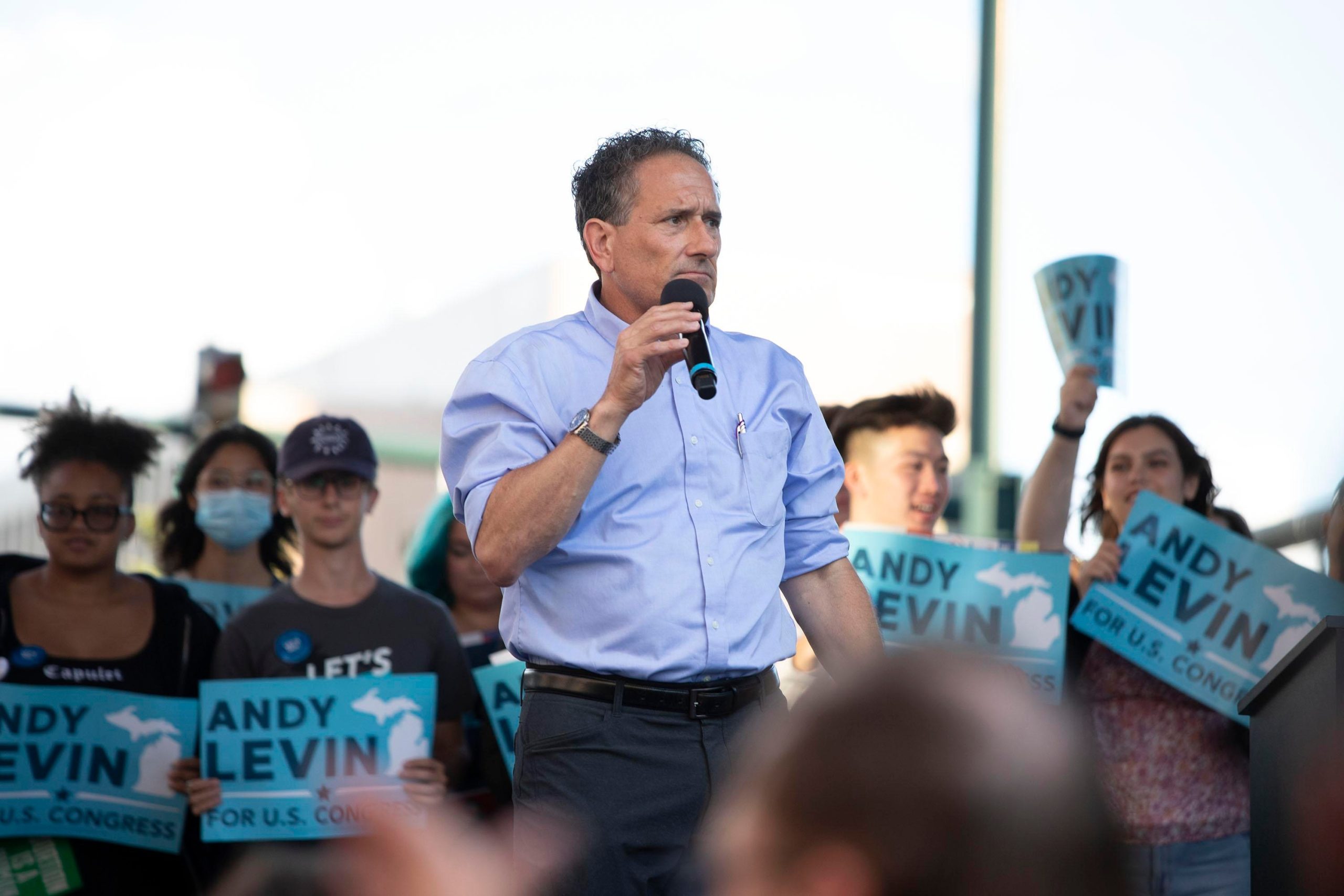
The American Israel Public Affairs Committee (AIPAC), a formidable force in shaping U.S. foreign policy and influencing elections, is poised to confront a significant challenge to its decades-long sway. A high-stakes Democratic Senate primary in Michigan is emerging as a critical battleground, representing AIPAC’s largest single investment to date, and potentially signaling a shift in its political efficacy.
For years, AIPAC has wielded substantial financial power, pouring hundreds of millions of dollars into lobbying and electoral campaigns. Its primary objective has been to ensure unwavering U.S. support for the Israeli government and its policy priorities. This strategy involves actively backing candidates who align with its agenda and working to defeat those perceived as too critical of Israel or too supportive of Palestinian causes. The organization has been instrumental in shaping legislative outcomes and maintaining a consistent pro-Israel stance within Congress.
A New Era of Scrutiny for a Powerful Lobby
The upcoming Michigan primary is particularly noteworthy as it highlights a growing scrutiny of AIPAC’s influence. The group has heavily backed one candidate, indicating a significant commitment to securing a victory that would reaffirm its electoral power. However, the sheer scale of this investment also suggests a potential vulnerability. If their chosen candidate falters, it could be interpreted as a blow to AIPAC’s ability to dictate electoral outcomes, even with substantial financial backing. This election is being closely watched by political strategists, advocacy groups, and members of Congress as a barometer for the future of organized political influence in American foreign policy debates.
The landscape of political advocacy is constantly evolving, and AIPAC, despite its deep roots and vast resources, is not immune to these shifts. Factors such as changing demographics, evolving public opinion on the Israeli-Palestinian conflict, and the increasing prominence of grassroots movements critical of current U.S. policy could all play a role in challenging AIPAC’s established dominance. The outcome in Michigan may not only determine the fate of a single Senate seat but could also offer broader insights into the enduring power – or potential decline – of one of Washington’s most influential lobbying organizations. The coming weeks will reveal whether AIPAC’s considerable war chest can continue to guarantee its desired results, or if a new era of political accountability is dawning.
Based on materials: Vox



