
The International Criminal Court (ICC) finds itself in a precarious position, grappling with both internal upheaval and external condemnation, particularly from the United States. Recent events have plunged the global judicial body into a period of significant turmoil, raising questions about its future and its relationship with key international players.
Prosecutor Ousted Amid Misconduct Allegations
In a landmark decision, 82 member states of the ICC voted to remove Chief Prosecutor Karim Khan from his post. This unprecedented move was precipitated by accusations of misconduct and a serious breach of duty. While Khan has vehemently denied allegations of sexual misconduct leveled by a former colleague, the vote signifies a deep rift within the court and a stark warning to its leadership. The timing of this internal crisis is particularly damaging, as it coincides with heightened scrutiny and criticism from external actors.
US Escalates War of Words with ICC
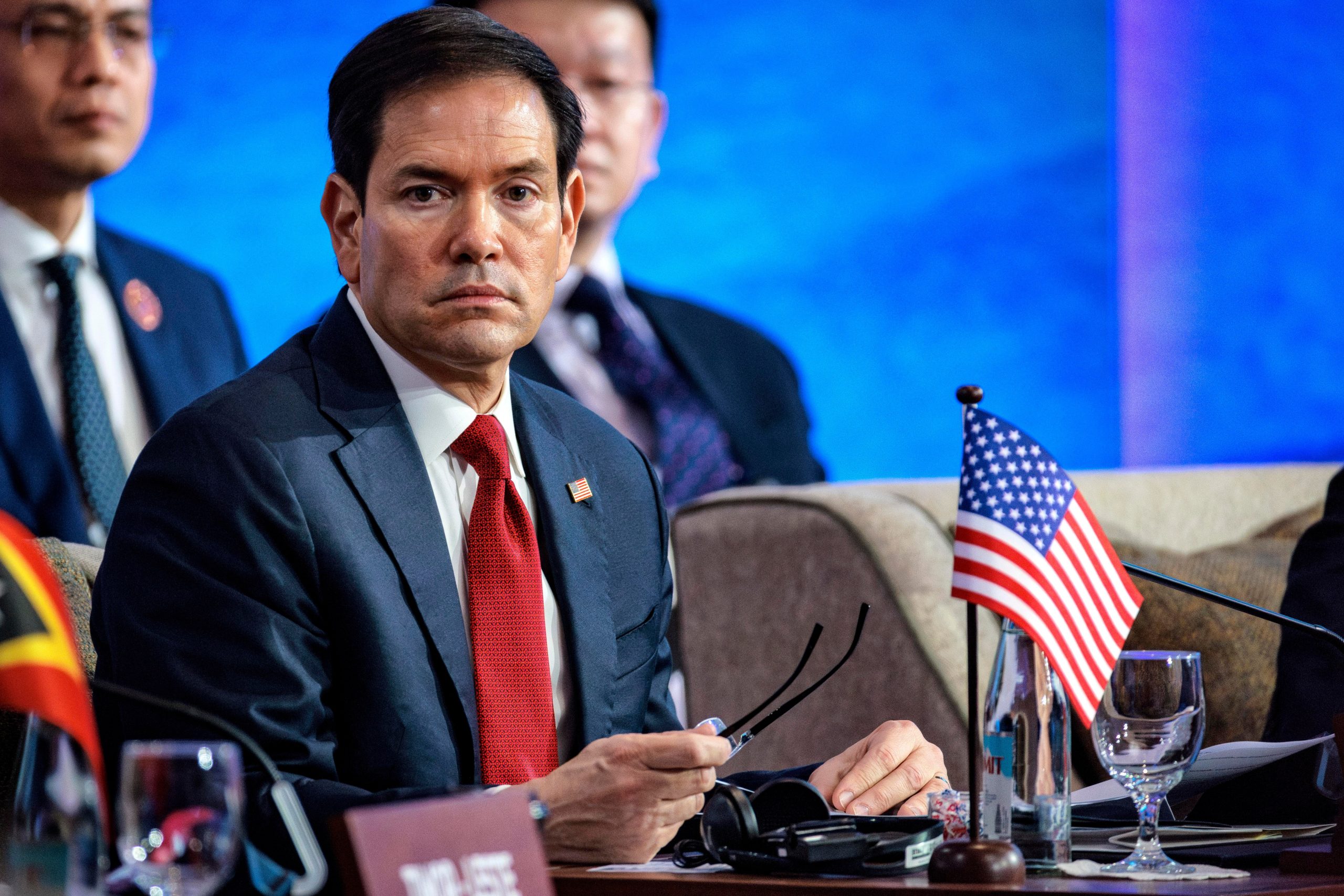
Adding to the ICC’s woes, U.S. Secretary of State Marco Rubio recently intensified the long-standing American opposition to the court. In a prominent op-ed published in The Wall Street Journal, Rubio articulated the Trump administration’s aggressive stance, stating their objective is to “dismantle the ICC—brick by brick, if necessary.” This declaration stems from concerns that the ICC could potentially investigate and prosecute American citizens, including military personnel and Border Patrol agents. It’s important to note that the United States is not a signatory to the Rome Statute, the treaty that established the ICC, and has historically maintained a policy of non-cooperation and even opposition to the court’s jurisdiction. This stance reflects a broader debate about national sovereignty versus international accountability, a tension that the ICC consistently navigates.
Broader Implications for International Justice
The dual pressures of an internal leadership crisis and assertive opposition from a global superpower like the United States present a significant challenge to the ICC’s mission. The court, established to prosecute individuals for the most heinous international crimes like genocide, war crimes, and crimes against humanity, relies on the cooperation and legitimacy derived from its member states. The current climate risks undermining this foundation. For proponents of international justice, the ICC’s struggles are a concerning development, potentially emboldening perpetrators and weakening the global framework for accountability. Conversely, those who prioritize national sovereignty, including the U.S., view the court with suspicion, fearing it oversteps its mandate and infringes upon the autonomy of sovereign nations. As the ICC navigates these turbulent waters, its ability to effectively pursue justice for victims of mass atrocities will undoubtedly be tested. The coming months will be critical in determining the court’s resilience and its future role on the world stage.
Based on materials: Vox



