
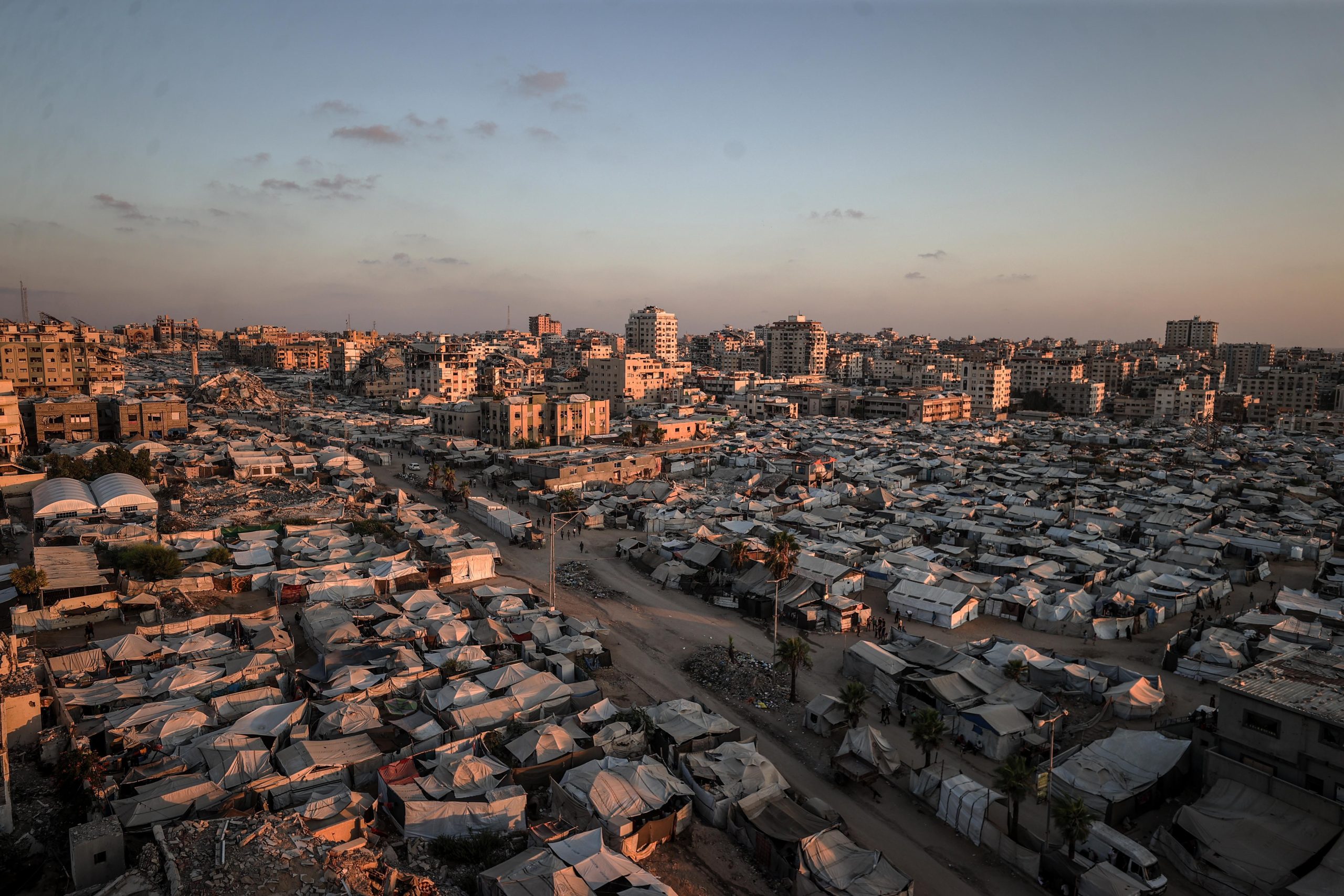
The ongoing peace negotiations in Gaza, spearheaded by the Trump administration, have hit a significant roadblock, raising questions about Israel’s long-term reliance on foreign aid. Despite a recently announced “HISTORIC” agreement aimed at disarming Hamas and de-escalating tensions, the framework has been met with a firm rejection from Israeli Prime Minister Benjamin Netanyahu. This impasse underscores a deeper, more complex issue: whether Israel can truly afford to lose its substantial U.S. aid package.
A Stalled Peace Process
The proposed deal, brokered by Trump’s so-called “Board of Peace,” envisioned a synchronized reduction in hostilities, with both Hamas and Israeli forces scaling back their operations. However, Prime Minister Netanyahu has publicly stated his non-negotiable stance: Hamas must disarm entirely before any Israeli troop withdrawal from the Gaza Strip. This fundamental disagreement has effectively stalled the peace process, leaving the fragile situation in Gaza unresolved and potentially escalating. The U.S. administration’s efforts, despite President Trump’s public pronouncements of success, appear to be facing considerable challenges in bridging this critical divide.
The Economic Lifeline of U.S. Aid
For decades, the United States has provided Israel with billions of dollars in military and economic assistance, a cornerstone of their strategic alliance. This aid has played a crucial role in bolstering Israel’s defense capabilities and supporting its economy, particularly in a region marked by persistent conflict. While the exact figures fluctuate annually, the U.S. commitment remains a significant factor in Israel’s national security and its ability to maintain its military edge. The current geopolitical climate, coupled with the stalled peace talks, inevitably brings to the forefront the question of what would happen if this vital lifeline were to be significantly reduced or entirely cut off.
Navigating a Future Without Aid
The rejection of the peace framework by Prime Minister Netanyahu, while seemingly a short-term political maneuver, could have broader implications. It suggests a potential willingness within the Israeli leadership to prioritize its security demands over immediate diplomatic breakthroughs. This stance, however, raises pertinent questions about Israel’s economic and military resilience in the absence of American support. Analysts suggest that while Israel possesses a robust and advanced economy and a formidable military, a complete cessation of U.S. aid would undoubtedly present significant challenges. The nation would need to reallocate substantial resources, potentially impacting domestic programs or necessitating a significant increase in defense spending funded internally. Furthermore, it could alter the regional balance of power and Israel’s strategic relationships with other global players. The current situation in Gaza, therefore, is not just a diplomatic stalemate; it is a potential inflection point that could force a re-evaluation of Israel’s long-term economic and security strategy.
CONCLUSION:
The current impasse in Gaza negotiations, characterized by Israel’s firm stance on Hamas disarmament, highlights a critical underlying question for the nation: its capacity to withstand the potential loss of U.S. aid. While Israel boasts a strong economy and military, a future without American financial and military backing would necessitate significant strategic adjustments. The outcome of these peace talks, and the broader U.S.-Israel relationship, will likely shape the economic and security landscape for years to come, prompting a serious consideration of Israel’s self-sufficiency.
Based on materials: Vox



