
The 2026 midterm elections are shaping up to be a financial spectacle, with record-breaking fundraising efforts underway. As candidates across the political spectrum rake in unprecedented sums, voters are increasingly scrutinizing the influence of big-donor groups. These powerful entities, often championing specific causes like Israel policy, artificial intelligence, and cryptocurrency, are becoming significant battlegrounds in primary races for both major parties, highlighting a growing concern about the intersection of money and politics.
Beyond the Bottom Line: Campaign Spending’s Complex Role
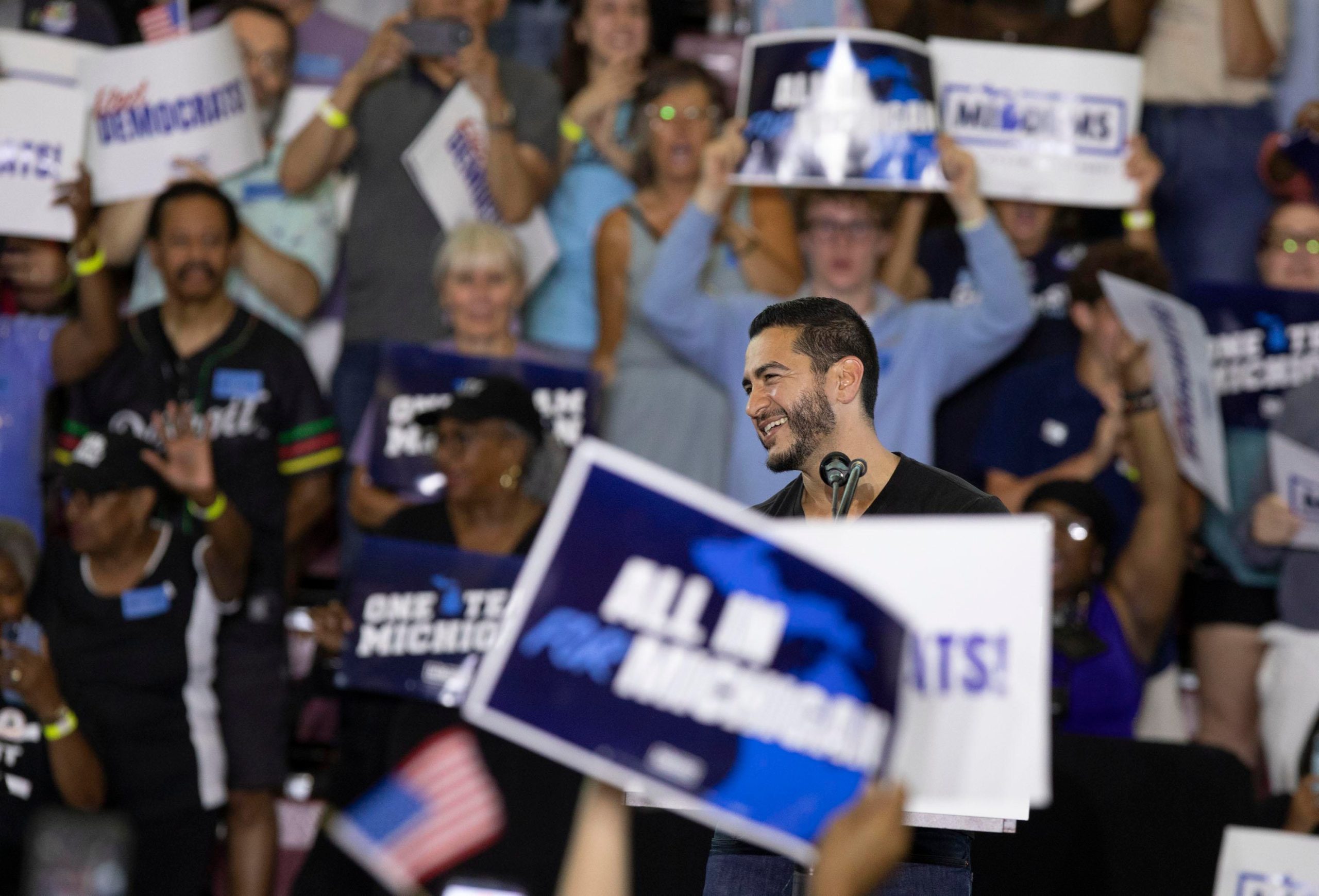
While the sheer volume of campaign cash is staggering, election outcomes are rarely dictated solely by financial might. The recent Democratic Senate primary in Michigan serves as a compelling case study. Despite facing a significant financial deficit, Abdul El-Sayed managed to clinch the nomination, demonstrating that strategic campaigning and voter engagement can overcome monetary disadvantages. Similarly, in California, billionaire Tom Steyer’s substantial personal investment of over $200 million in his gubernatorial bid ultimately fell short of victory. These instances underscore the nuanced reality that while funding is crucial, it is not the sole determinant of electoral success. The persistent increase in campaign spending, however, continues to fuel public apprehension regarding corruption and the increasingly opaque nature of campaign finance.
The Shifting Sands of Political Influence
The escalating cost of political campaigns is not merely an abstract financial statistic; it has tangible consequences for the democratic process. The emergence of well-funded, issue-specific donor groups raises questions about whose voices are amplified and whose priorities are being addressed. When significant financial backing is tied to niche but potent agendas, it can skew public discourse and create an uneven playing field for candidates who may not have access to such deep pockets. This dynamic can lead to a perception that elections are more about securing financial support than about genuine policy debates and constituent needs. As the 2026 midterms approach, the interplay between candidate fundraising, independent expenditures, and voter sentiment will undoubtedly remain a critical focal point, shaping the narrative of how money truly functions within American elections.
Navigating the Conundrum: Transparency and Trust
The current campaign finance landscape is undeniably complex and, for many voters, confusing. The sheer volume of money flowing into politics, coupled with the intricate web of donor groups and super PACs, can obscure the origins and intentions behind political messaging. This opacity breeds distrust and can lead to a disconnect between the electorate and the political process. As the financial stakes continue to rise, the demand for greater transparency in campaign finance is likely to intensify. Voters are not just observing the fundraising numbers; they are increasingly questioning the underlying mechanisms of political influence and seeking a clearer understanding of how their elected officials are shaped by financial considerations. The ongoing challenge for American democracy lies in finding a balance between allowing legitimate political expression and ensuring that the electoral process remains a genuine reflection of the will of the people, free from undue financial influence.
Based on materials: Vox



