
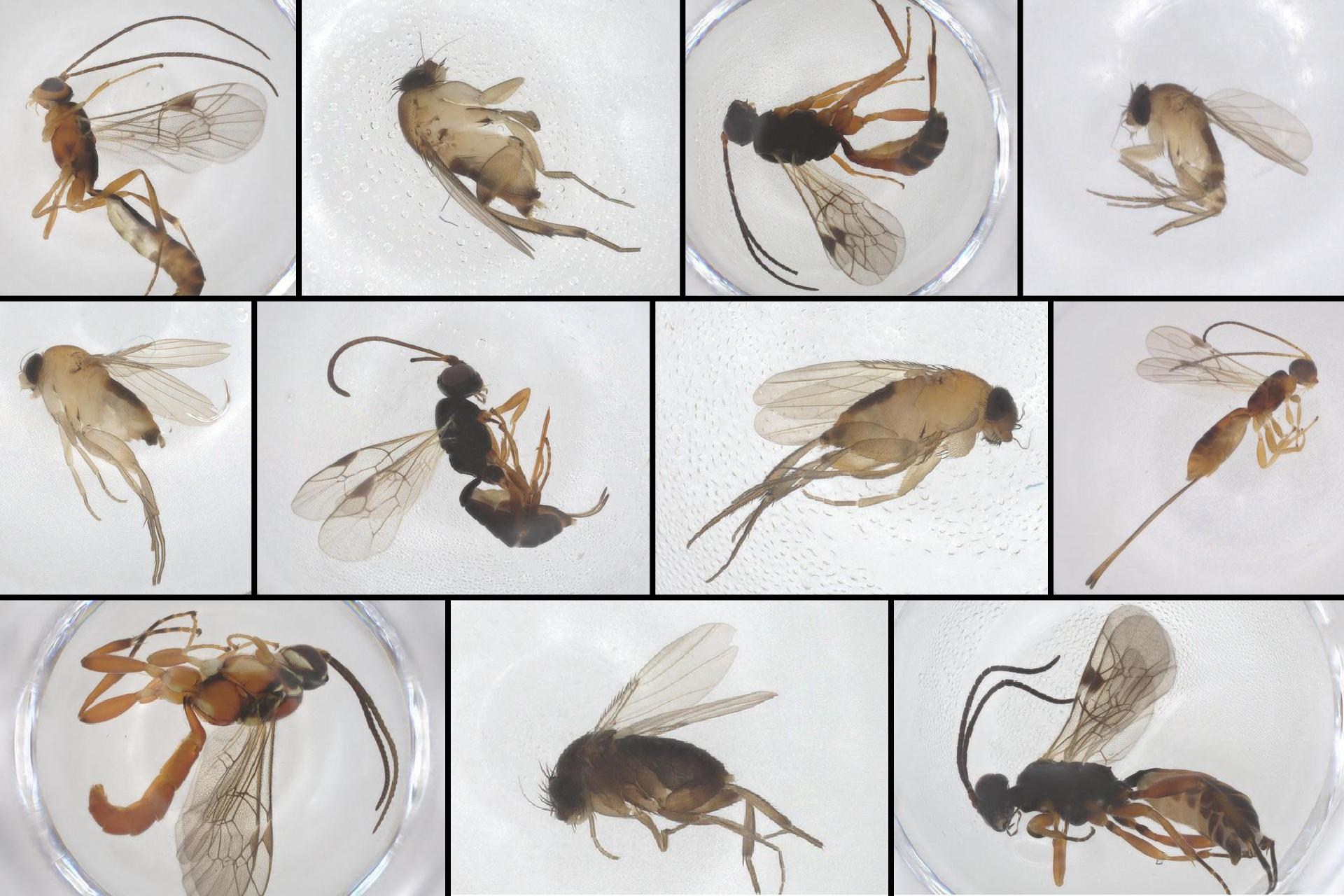
Beneath the bustling streets and towering skyscrapers of New York City, a scientific expedition may have uncovered a hidden realm of undiscovered life. Researchers from Vox, in collaboration with entomologists, deployed specialized traps this past June, aiming to identify novel insect species thriving amidst the urban sprawl. The initial findings are tantalizing, suggesting that even in one of the world’s most densely populated areas, nature continues to hold its secrets.
The ambitious project involved setting up two large-scale insect traps within the city limits. The motivation behind this endeavor is the vast unknown that still exists within the insect kingdom. Scientists estimate that the majority of insect species on Earth remain undocumented, a figure that holds true even for environments humans have extensively studied. This latest venture sought to explore whether these overlooked biodiversity hotspots could exist in the heart of a metropolis.
Thousands of Specimens, Promising Clues
Over the course of June, the traps yielded an astonishing collection of approximately 12,000 insect specimens. These findings were then dispatched to the University of Guelph’s Center for Biodiversity Genomics in Canada for meticulous analysis. The lab’s experts have begun the painstaking process of sorting and identifying the collected organisms, with preliminary results pointing towards exciting possibilities. The focus has been on three specific groups: scuttle flies and two types of parasitoid wasps. These insect families are often referred to as “dark taxa” because a significant portion of their species are believed to be yet unknown to science, making them prime candidates for new discoveries.
Urban Ecosystems: More Than Just Concrete
The presence of potentially new species in such a highly urbanized environment challenges conventional notions of biodiversity. It underscores the resilience of nature and its ability to adapt and persist even in human-dominated landscapes. While the analysis is still in its early stages, the sheer volume and diversity of the collected specimens are a testament to the complex and often unseen ecological interactions occurring within New York City. This research could provide valuable insights into how urban ecosystems function and the specific adaptations that allow certain species to thrive in these unique conditions. Further investigation into these “dark taxa” could significantly expand our understanding of insect diversity and evolution, offering a new perspective on the natural world that exists right under our noses.
The ongoing analysis is expected to reveal more about the specific characteristics of these newly found specimens and their ecological roles within the city. This groundbreaking research highlights the importance of continuing scientific exploration, even in the most unexpected locations, and serves as a reminder that the age of discovery is far from over.
SOURCE: Vox
Based on materials: Vox



