
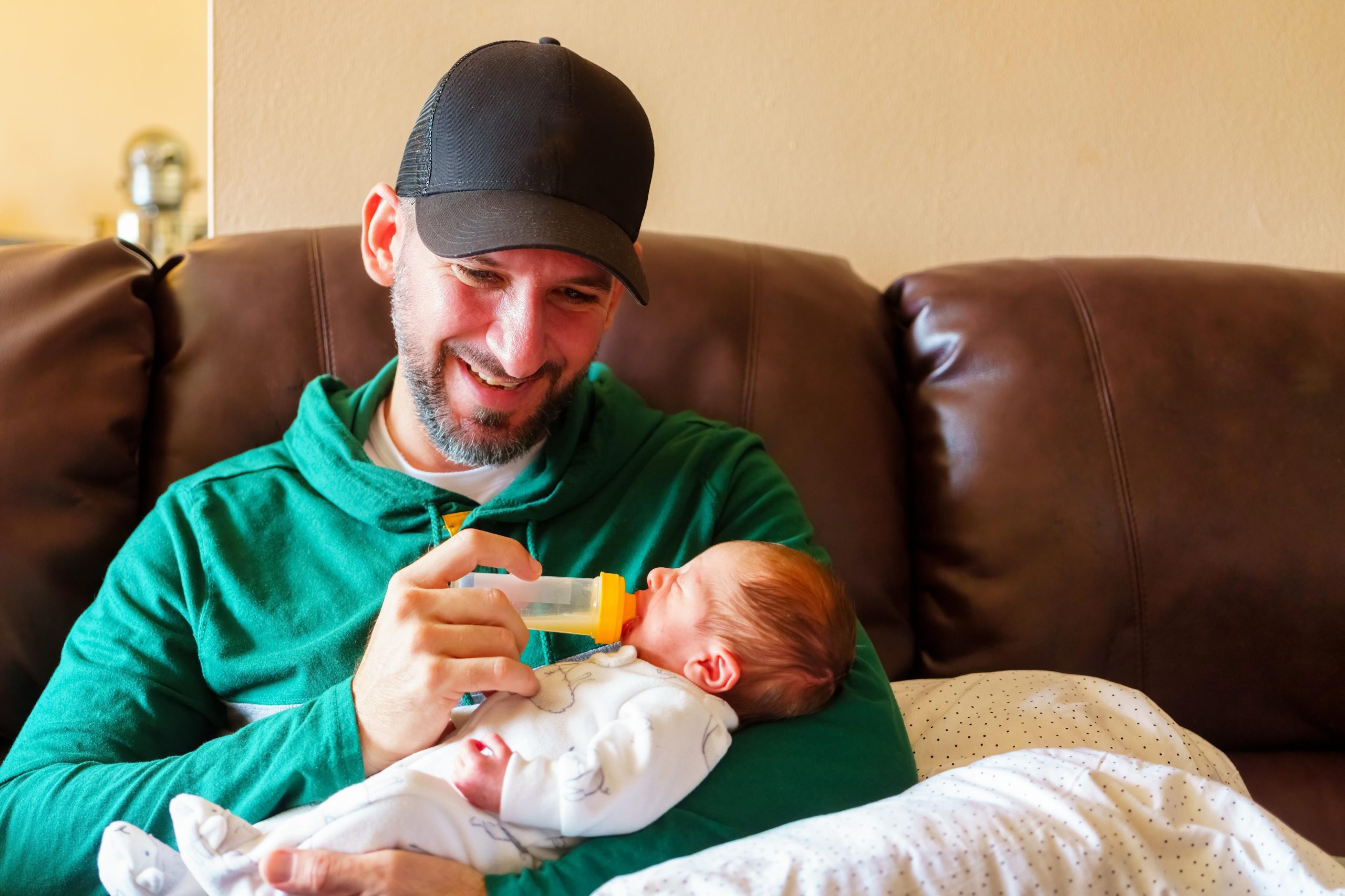
The fleeting moments of infancy may vanish from conscious recall, yet scientific understanding is revealing their profound and lasting impact on our lives. While the ability to form specific, long-term memories typically emerges around the age of three or four, and even memories from later childhood often feel fragmented, the absence of conscious recollection doesn’t negate the significance of early experiences. Infantile amnesia, the phenomenon where adults struggle to recall events from their earliest years, doesn’t mean those formative periods are devoid of influence.
The Unseen Architects of Our Future Selves
Even without a clear mental archive of our babyhood, the foundational experiences of feeling safe, loved, and nurtured lay the groundwork for our future emotional and relational landscapes. Researchers suggest that the consistent presence of caregivers, the responsiveness to an infant’s needs, and the overall sense of security provided during this critical period directly influence how individuals form attachments and navigate relationships throughout adulthood. These early interactions, though not consciously remembered, are deeply encoded, shaping our innate understanding of trust, intimacy, and emotional regulation.
Beyond Recollection: The Lasting Imprint
The notion that experiences are only valuable if they can be explicitly remembered is a misconception. The brain’s development during infancy is a period of rapid growth and wiring, where fundamental neural pathways are established. Positive and consistent interactions foster a sense of self-worth and a secure base from which to explore the world. Conversely, a lack of such nurturing can contribute to challenges in developing healthy coping mechanisms and forming stable relationships later in life. This underscores the crucial role of attentive and supportive parenting in shaping a child’s long-term well-being.
Investing in the Foundation of Life
While we may never consciously recall the warmth of a parent’s embrace or the sound of a comforting lullaby, the impact of these moments is undeniable. The scientific consensus points towards the indelible mark left by early life experiences, influencing our capacity for empathy, our resilience in the face of adversity, and our ability to forge meaningful connections. Therefore, understanding and prioritizing the emotional and physical well-being of infants is not just about immediate care; it’s a vital investment in the development of healthy, well-adjusted individuals and, by extension, a more emotionally intelligent society. The lessons learned in the cradle, even if unremembered, resonate throughout a lifetime.
Based on materials: Vox



