
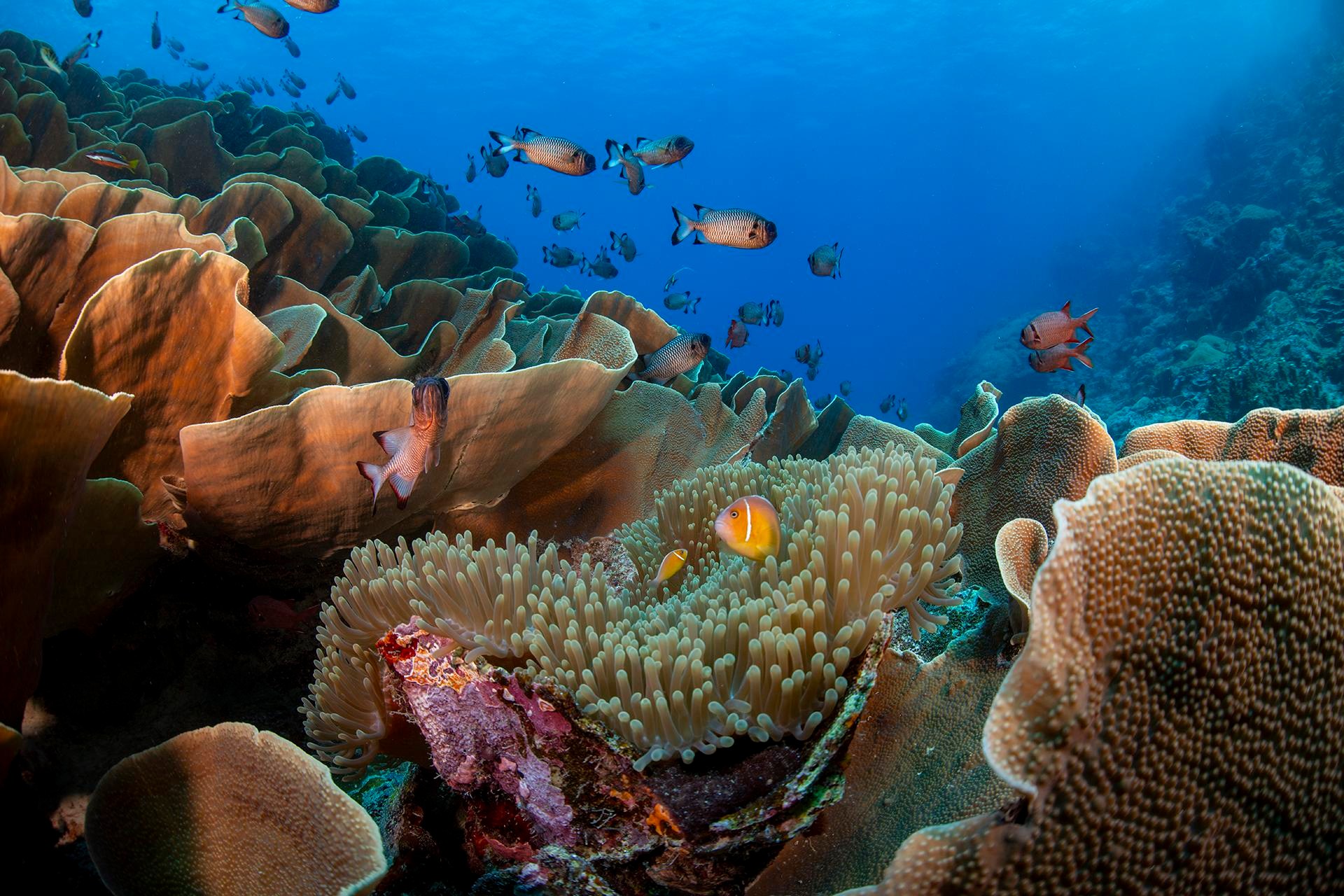
In the face of escalating climate change, an unexpected hero has emerged from the world of outdoor leisure: the humble picnic cooler. Scientists in the island nation of Palau are employing these inexpensive, everyday items as crucial tools in a groundbreaking effort to safeguard some of the planet’s most vulnerable marine ecosystems. This innovative approach underscores the urgent need for adaptable and accessible solutions to combat the devastating impacts of rising ocean temperatures and extreme weather events on coral reefs.
Palau, a Western Pacific archipelago renowned for its stunningly clear waters and vibrant marine life, has long been a leader in environmental conservation. The nation boasts some of the world’s strictest regulations to preserve its pristine coral reefs, which are vital for biodiversity and support local economies through tourism and fishing. However, even these robust protections are being tested by the intensifying effects of a warming planet. During a recent expedition, researchers navigated rough seas, a stark reminder of the unpredictable weather patterns that now threaten these delicate underwater landscapes. Their journey was not to a pristine untouched reef, but to a carefully cultivated “coral garden” – a testament to human intervention in rebuilding a reef damaged by environmental stressors.
The ingenious use of picnic coolers lies in their ability to provide a controlled microclimate for coral fragments. After being carefully collected and prepared, these nascent corals are transported from nurseries to their new, often challenging, locations. To shield them from the immediate shock of temperature fluctuations and potentially harmful sunlight during transit, scientists are placing them inside insulated picnic coolers. This simple, low-cost method creates a stable environment, significantly increasing the survival rates of the young corals as they are transplanted. This technique, while seemingly basic, represents a critical step in large-scale coral restoration efforts, which often struggle with the fragility of these organisms during relocation.
This novel application of common consumer goods highlights a broader trend in conservation science: the drive for practical, scalable, and cost-effective solutions. As coral reefs globally face unprecedented threats from bleaching events and ocean acidification, the ability to implement restoration projects efficiently and affordably is paramount. The success of this picnic cooler method in Palau could serve as a blueprint for similar initiatives in other vulnerable reef systems, demonstrating that cutting-edge environmental protection doesn’t always require high-tech, expensive equipment. It’s a powerful reminder that ingenuity and resourcefulness can be just as impactful in the fight to preserve our planet’s natural wonders.
Based on materials: Vox



