
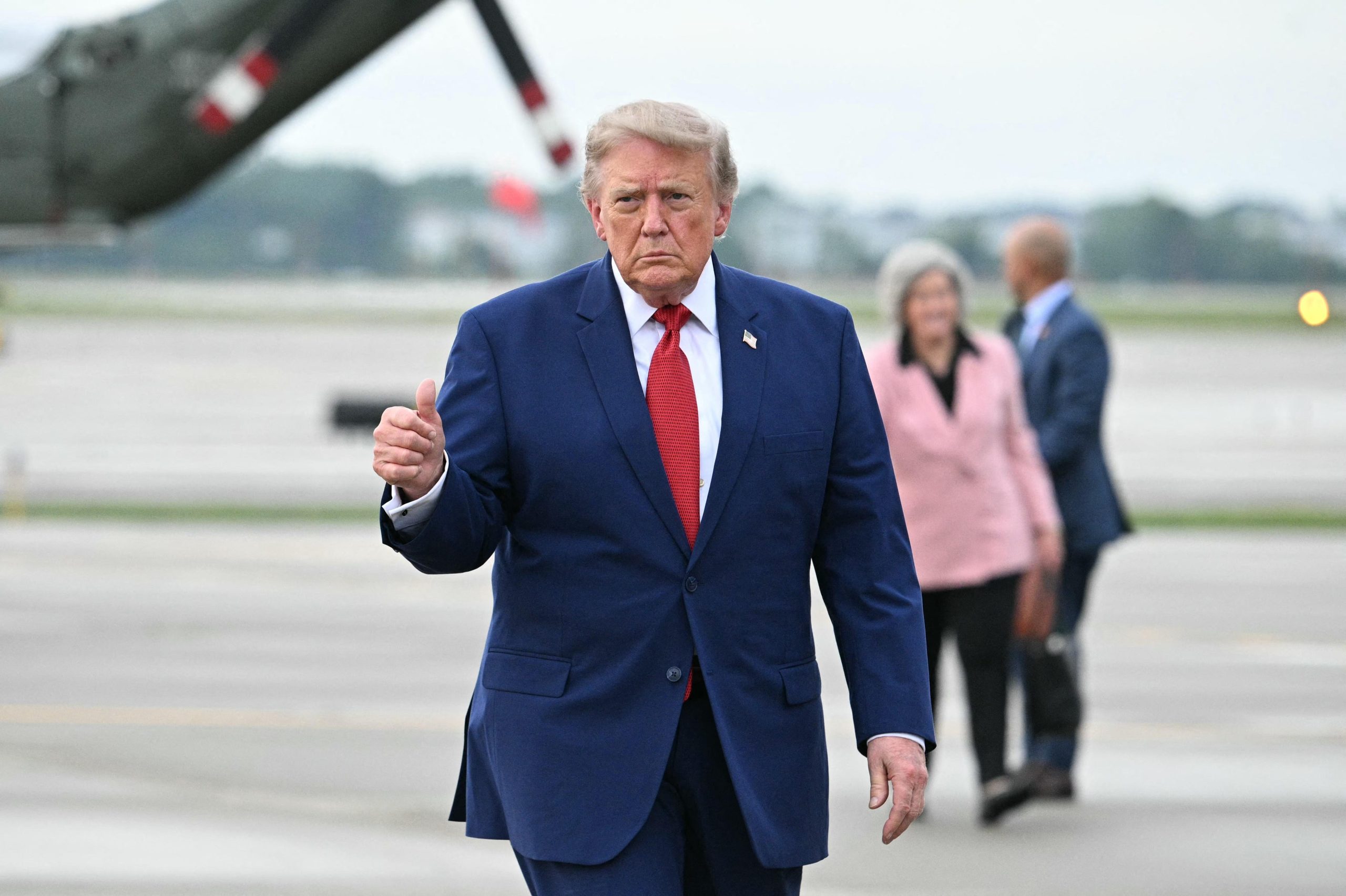
The once-unlikely diplomatic dance between former President Donald Trump and North Korean leader Kim Jong Un appears to be reigniting, with Trump recently signaling a significant shift in US military posture towards South Korea. In a social media post, Trump announced his intention to “substantially reduce” scheduled joint military exercises between the United States and South Korea, a move that immediately raises questions about the future of regional security and long-standing alliances.
This development echoes the unique “bromance” that characterized Trump’s first term, marked by a series of high-profile summits and a notable exchange of correspondence, including what were famously described as “love letters.” Trump’s reported retention of these personal documents even after leaving office underscores the unusual nature of his engagement with the North Korean regime. Now, with these drills set to commence, Trump’s declaration suggests a potential return to his earlier approach, prioritizing personal diplomacy over traditional military preparedness.
A Potential Détente or a Risky Gamble?
The rationale behind Trump’s proposed reduction in joint exercises, as stated in his post, centers on his “very good relationship” with Kim Jong Un. This framing suggests a belief that a more conciliatory stance, less reliant on visible military posturing, could foster greater stability and de-escalation on the Korean Peninsula. Proponents of this approach might argue that such a move could be seen as a good-faith gesture by North Korea, potentially opening avenues for renewed dialogue on denuclearization or other critical issues. However, critics are likely to view this as a significant gamble, potentially weakening the deterrence posture that has long been a cornerstone of US policy in the region.
Implications for Regional Alliances and Security
The US-South Korea alliance is a critical pillar of regional security, designed to counter threats from North Korea and maintain stability. Joint military exercises are not merely symbolic; they are vital for maintaining readiness, interoperability between allied forces, and demonstrating a united front. A substantial reduction in these drills could be interpreted by North Korea as a sign of waning US commitment, potentially emboldening Pyongyang and creating uncertainty among allies like South Korea and Japan. This move also raises broader questions about the reliability of US security guarantees under different administrations and could prompt allies to reconsider their own defense strategies. The long-term consequences of such a policy shift could reverberate through the complex geopolitical landscape of Northeast Asia, demanding careful observation and strategic reassessment.
Based on materials: Vox



