
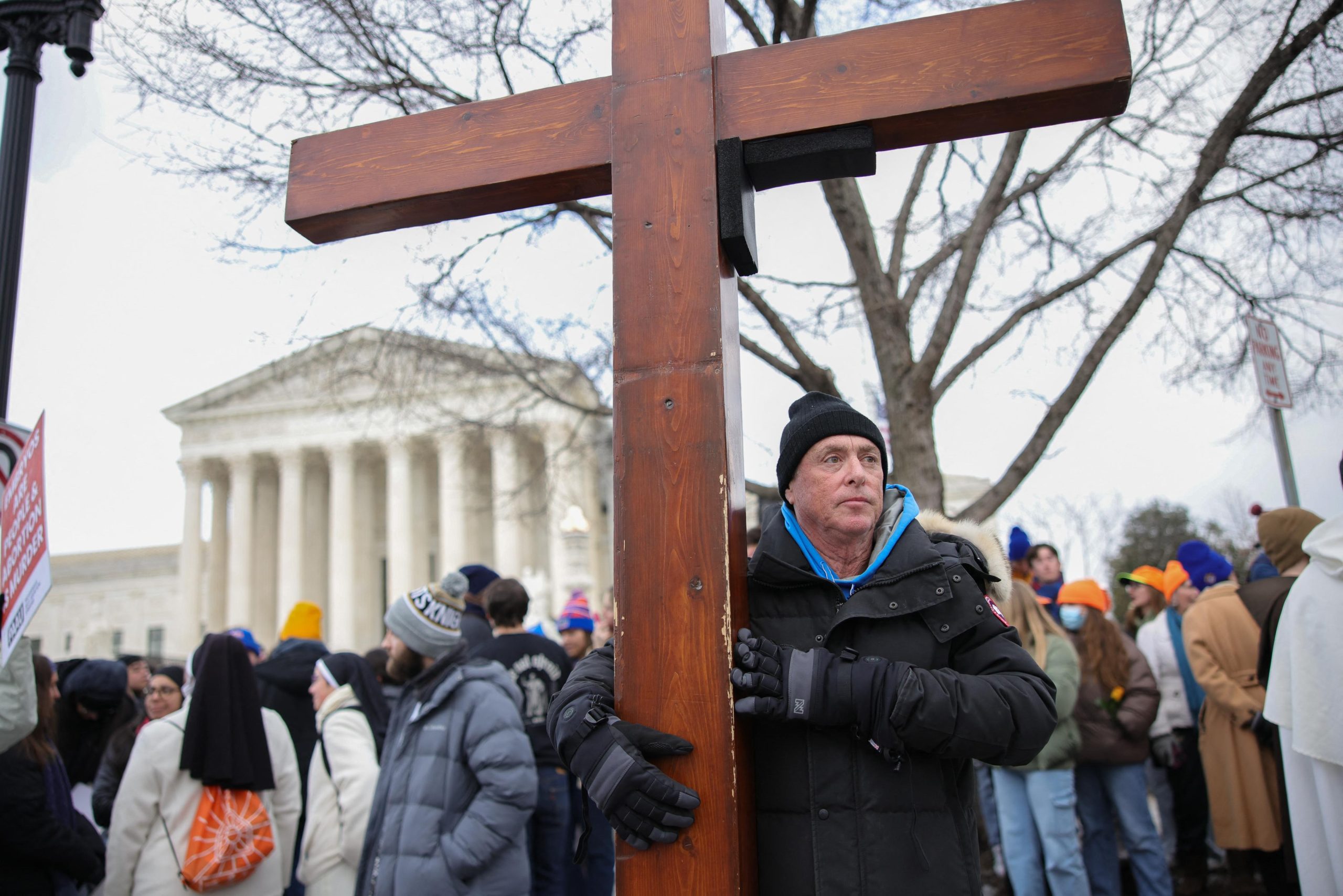
The Supreme Court, under its new Republican-appointed majority, has dramatically altered the landscape of religious liberty in America. A landmark decision handed down shortly after the court’s ideological shift has set a new precedent for how religious exemptions from state laws are adjudicated. This pivotal ruling,
Roman Catholic Diocese of Brooklyn v. Cuomo
(2020), marked Justice Amy Coney Barrett’s first significant contribution to a major religious freedom case.
At the heart of the
Cuomo
case was a critical question: should churches and other places of worship be exempt from state-imposed COVID-19 attendance restrictions? New York had implemented stringent limits on the number of congregants allowed at services, a measure that quickly became entangled in the escalating partisan debate surrounding pandemic regulations. Notably, these restrictions for religious gatherings were, in fact, less severe than those imposed on comparable secular activities. However, the Court’s interpretation of religious freedom in this context has reverberated far beyond the immediate public health crisis.
A New Era of Religious Exemptions
The
Roman Catholic Diocese of Brooklyn v. Cuomo
decision signaled a departure from decades of established legal thinking on religious freedom. Prior to this ruling, courts often employed a balancing test, weighing the government’s interest in enforcing a neutral law against an individual’s or institution’s claim of religious infringement. However, the Supreme Court’s majority opinion in
Cuomo
appeared to favor a more expansive interpretation of religious exemptions, suggesting that laws impacting religious practice must meet a higher legal bar if they are to be upheld. This approach, critics argue, prioritizes religious claims over other societal concerns, potentially creating a system where religious institutions can operate with fewer obligations than other entities.
Implications for Secular Society
The ramifications of this jurisprudential shift extend beyond church doors. Legal scholars and civil liberties advocates express concern that this new framework could empower religious groups to seek exemptions from a wide array of laws, from anti-discrimination statutes to public health mandates. The concern is that this could lead to a fragmented society where religious beliefs dictate adherence to laws that were previously considered universally applicable. The decision, observers note, aligns with the long-standing goals of conservative religious organizations and the Republican Party, who have actively advocated for a broader interpretation of religious freedom protections.
The Future of Religious Liberty
The
Cuomo
decision is not an isolated event but rather a harbinger of future legal battles. As more cases involving religious exemptions make their way to the Supreme Court, the precedent set in
Cuomo
is likely to be a guiding principle. This raises profound questions about the balance between religious freedom and the state’s ability to govern for the common good. The Court’s willingness to prioritize religious claims in this manner suggests a significant redefinition of the relationship between church and state in the United States, one that will undoubtedly continue to be debated and shaped in the years to come. The impact on everything from public health policy to civil rights protections remains a critical area to watch.
Based on materials: Vox



