
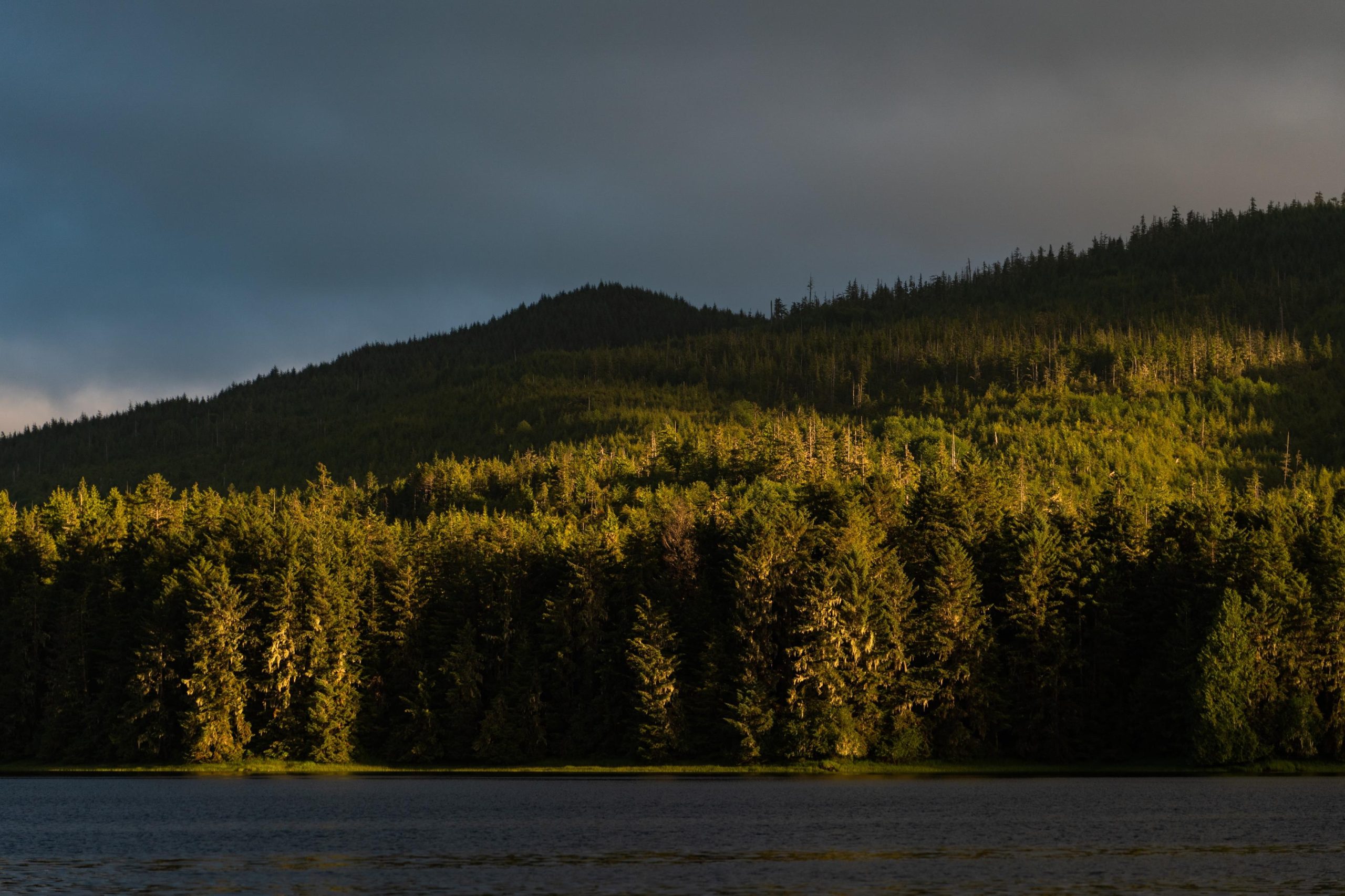
The Trump administration is once again making moves to open vast swathes of protected public lands to commercial interests, specifically targeting the logging industry. A recent proposal aims to repeal the “roadless rule,” a significant environmental regulation enacted in 2001 that safeguards nearly 45 million acres of national forests from road construction and logging activities.
This proposed rollback, filed on a Tuesday, signals a potential shift in how these vital natural resources are managed, sparking concern among environmentalists and conservation groups who argue it prioritizes economic development over ecological preservation. The majority of the affected lands are located in ten Western states, including Alaska, Arizona, California, Montana, Nevada, New Mexico, Oregon, Utah, Washington, and Wyoming. States like Colorado and Idaho already possess their own state-level roadless protections, which may or may not be impacted by this federal proposal.
Reopening the Forests: A Contested Legacy
The roadless rule, a cornerstone of forest protection for over two decades, has been a point of contention for industries seeking access to timber resources. Proponents of repealing the rule often cite economic benefits, arguing that it unlocks potential for job creation and local economic growth. They contend that responsible logging practices can be implemented without significant environmental damage, and that the rule unnecessarily restricts access to valuable resources. However, critics counter that these arguments often overlook the long-term ecological consequences, including habitat fragmentation, increased wildfire risk, and damage to water quality. The Tongass National Forest in Alaska, a significant portion of which is covered by the roadless rule, has been a focal point in these debates, with its ancient forests and rich biodiversity at stake.
The Path Forward: Regulatory Hurdles and Public Scrutiny
The administration’s proposal marks the beginning of a formal rulemaking process, which typically involves a public comment period. This phase allows individuals, organizations, and other stakeholders to voice their opinions and concerns regarding the proposed changes. Environmental advocacy groups are expected to mobilize during this period, submitting extensive comments and potentially organizing public demonstrations to highlight the ecological significance of these protected areas. The outcome of this process will depend on a complex interplay of scientific data, economic arguments, public pressure, and the legal framework surrounding public land management. The future of millions of acres of pristine national forest hangs in the balance, as the administration seeks to alter a policy that has for years been a bulwark against extensive industrial development in some of America’s most cherished natural landscapes.
CONCLUSION:
The Trump administration’s push to repeal the roadless rule represents a significant potential shift in the management of America’s public lands. While proponents emphasize economic opportunities, a chorus of environmental concerns underscores the potential long-term ecological costs. The upcoming public comment period will be crucial in shaping the fate of these vast forests, highlighting the ongoing tension between resource extraction and conservation in the United States.
Based on materials: Vox



