
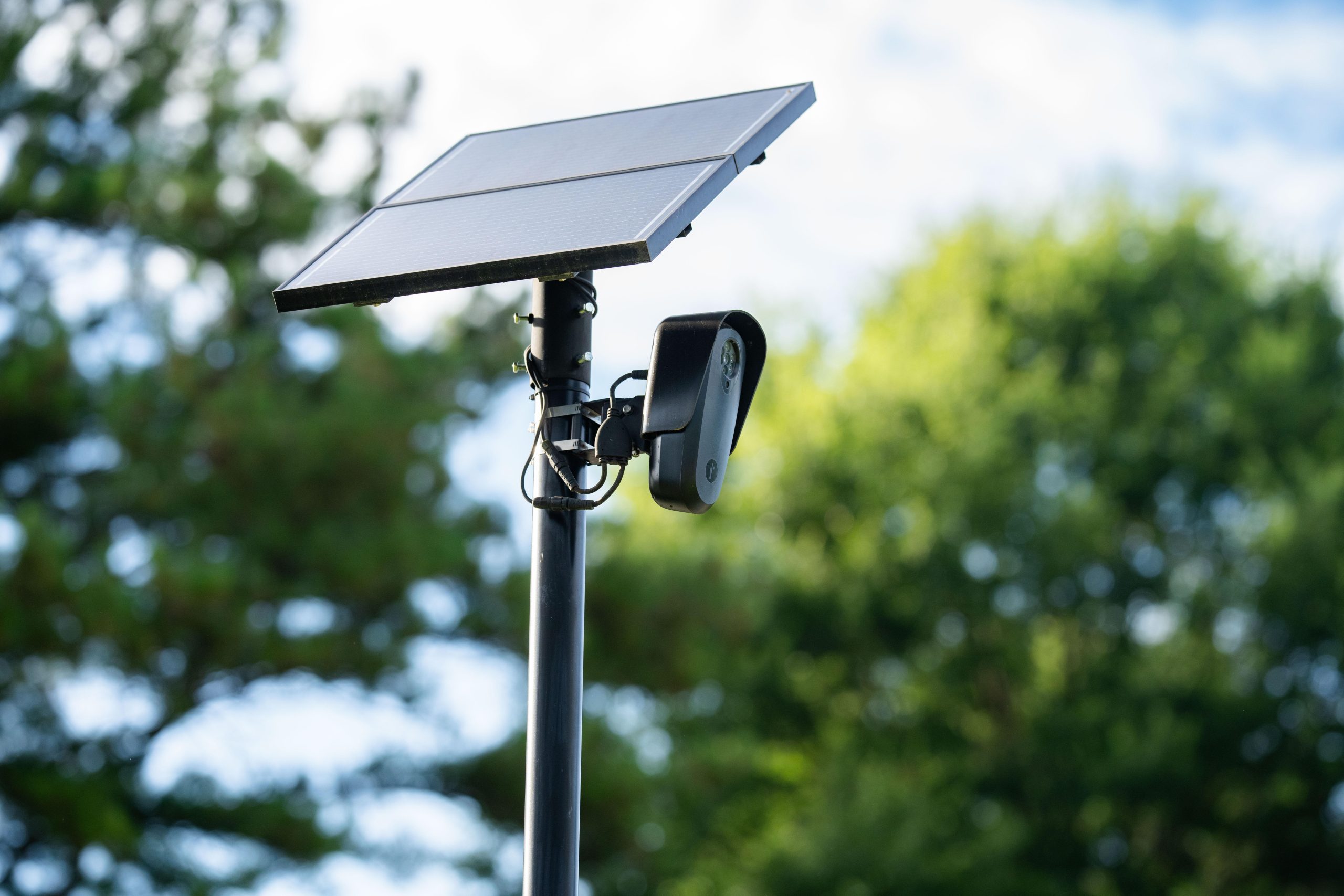
The ubiquitous presence of Flock cameras on American roadways is igniting widespread public outcry and raising significant privacy concerns. With an estimated 120,000 of these automated license plate readers deployed across every U.S. state except Alaska, the surveillance company has become a focal point of public anger, manifesting in online discourse, heated city council debates, and even acts of vandalism.
AI-Powered Surveillance Network Sparks Outrage
Flock’s technology, while not entirely novel in its ability to scan license plates, distinguishes itself through its sophisticated use of Artificial Intelligence. This AI powers a vast, national database that law enforcement agencies can access and search with remarkably few restrictions. Since its founding in 2017, Flock has experienced explosive growth, reaching a valuation of $8.4 billion. This aggressive expansion has resulted in its adoption by an impressive 7,000 law enforcement agencies nationwide, a figure that underscores the scale of its reach. The cameras go beyond simply capturing license plates, also recording vehicle make, model, and even identifying features like bumper stickers, creating a detailed digital footprint of everyday travel.
A Growing Backlash Against Pervasive Monitoring
The rapid proliferation of Flock cameras has not gone unnoticed by the public, many of whom feel their privacy is being eroded. Critics argue that the broad access granted to law enforcement, coupled with the extensive data collected, creates a powerful surveillance apparatus with the potential for misuse. The sheer volume of data captured – every car, every plate, every characteristic – raises questions about data security, retention policies, and the potential for mission creep, where technology initially intended for specific purposes could be used for broader monitoring. This sentiment has fueled a growing movement to push back against the technology, with citizens actively voicing their opposition in public forums and advocating for stricter regulations on its deployment and use.
Vandalism and Vigilantism: A Symptom of Deep Distrust
The intensity of public opposition is perhaps best illustrated by the emergence of vigilante vandalism targeting Flock cameras. These acts, though illegal, serve as a stark indicator of the deep distrust many citizens feel towards pervasive surveillance. While law enforcement agencies often highlight the benefits of these cameras in solving crimes and locating stolen vehicles, the public’s focus remains on the potential for overreach and the erosion of civil liberties. The debate surrounding Flock cameras encapsulates a larger national conversation about the balance between security and privacy in an increasingly digitized world, a conversation that is likely to intensify as more cameras are deployed and more data is collected. The company’s future success may hinge on its ability to address these mounting public concerns and demonstrate a commitment to transparency and responsible data handling.
Based on materials: Vox



