
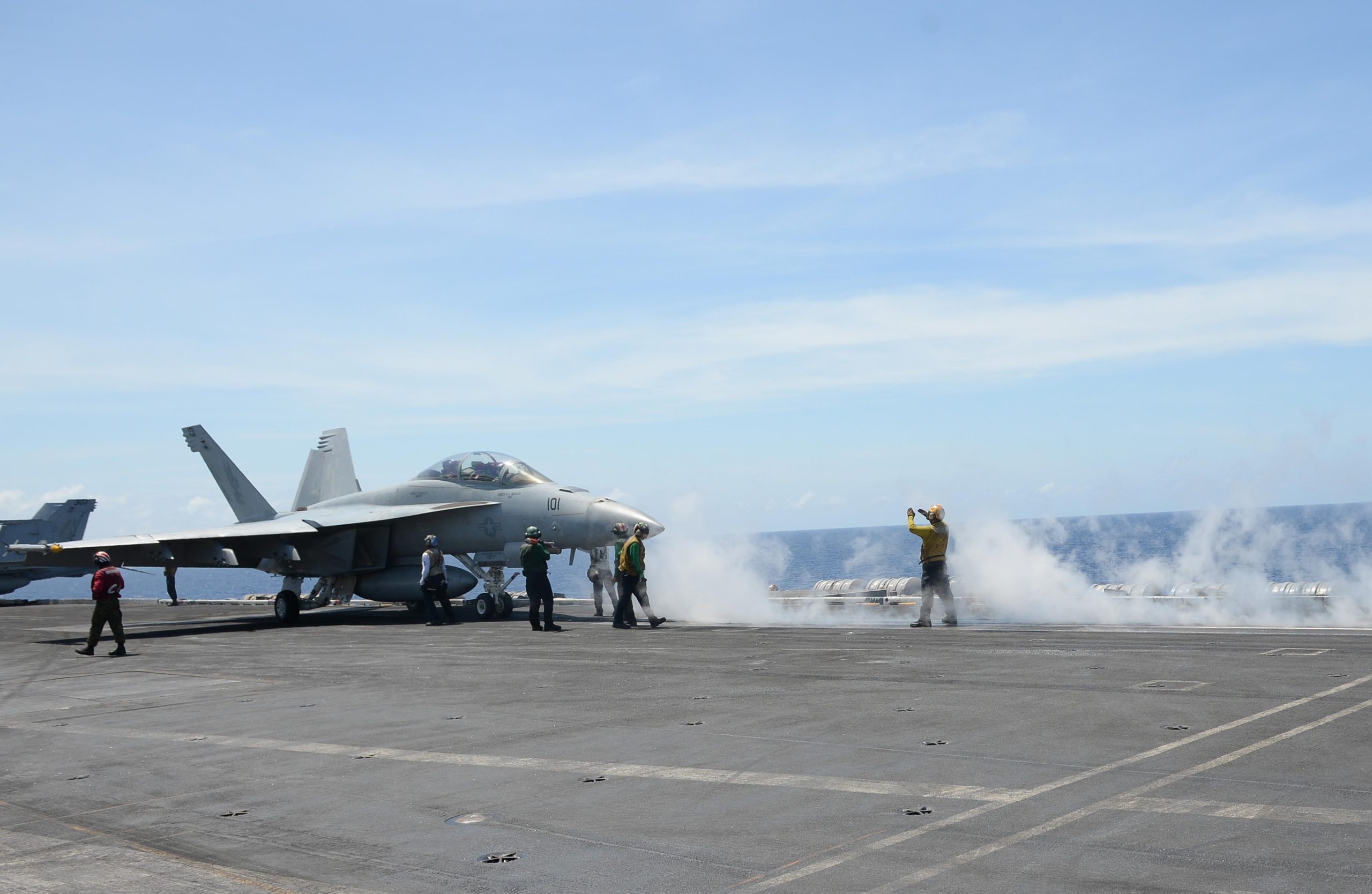
President Donald Trump has reportedly taken an unusual interest in the mechanisms that launch fighter jets from U.S. aircraft carriers, advocating for a return to older steam-powered catapult technology over the newer electromagnetic systems. This directive, according to recent reports, highlights a pattern of direct presidential intervention in military hardware decisions, sparking debate about the implications for national security and technological advancement.
A Shift Back in Time?
The U.S. Navy has been progressively integrating electromagnetic catapults, also known as EMALS, onto its latest generation of aircraft carriers, such as the USS Gerald R. Ford. These advanced systems offer several purported benefits, including greater efficiency, reduced maintenance, and the ability to launch a wider range of aircraft, including drones. However, President Trump is said to be a proponent of the traditional steam catapults, a technology that has served the Navy for decades. The exact reasons behind this preference remain somewhat opaque, but it signals a potential disruption to the established technological trajectory of naval aviation. This move, if fully implemented, could represent a significant departure from the modernization efforts previously underway.
Micromanagement and Military Modernization
This reported focus on catapult technology is not an isolated incident. It comes on the heels of discussions surrounding the USS Abraham Lincoln and its operational status, suggesting a broader trend of the Trump administration taking a more hands-on approach to Pentagon operations. Such direct presidential involvement in specific technological choices within the military can have far-reaching consequences. Critics argue that it risks politicizing procurement decisions, potentially overriding the expertise of military planners and engineers who have spent years developing and testing advanced systems. The concern is that such interventions, driven by personal preference rather than strategic analysis, could lead to costly delays, inefficiencies, or even a compromise in operational readiness.
The Future of Naval Aviation
The debate over steam versus electromagnetic catapults touches upon fundamental questions about military innovation and the balance of power between civilian leadership and military professionals. While the allure of proven, familiar technology is understandable, the potential advantages of EMALS in terms of performance, fuel efficiency, and adaptability to future aerial platforms are substantial. The Navy’s investment in EMALS reflects a forward-looking strategy aimed at maintaining a technological edge. Any significant shift away from this path, especially one seemingly influenced by personal inclination, warrants careful scrutiny. The long-term impact on the U.S. Navy’s ability to project power and adapt to evolving global threats will ultimately depend on the wisdom and evidence guiding these critical technological decisions.
Based on materials: Vox



