
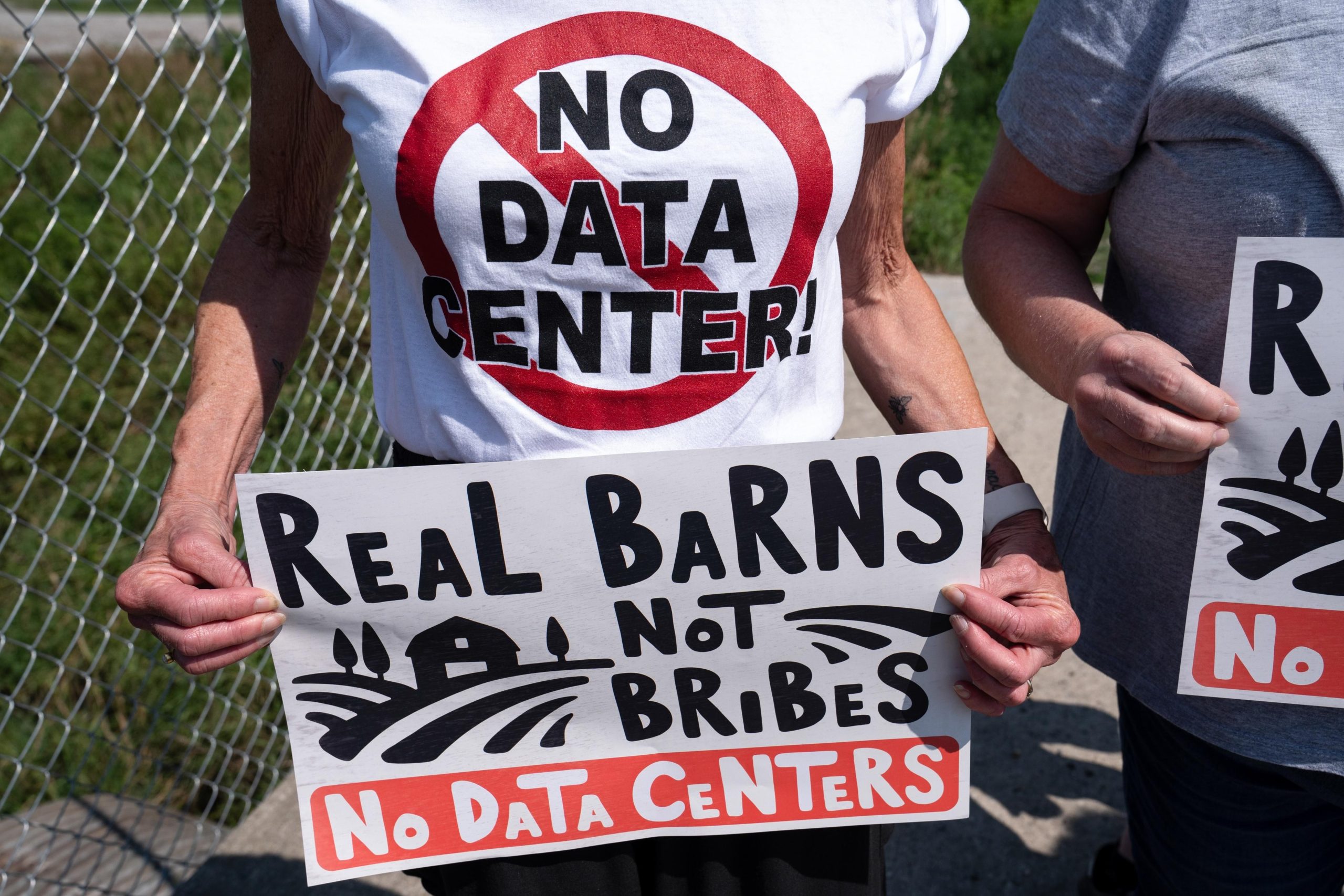
The burgeoning infrastructure of data centers, essential for our digital lives, is now finding itself at the center of a surprising political storm, igniting a bipartisan backlash that could reshape electoral landscapes. What was once a behind-the-scenes technological necessity has abruptly emerged as a potent campaign issue, with politicians from both sides of the aisle leveraging public concerns to their advantage. This week, the opposition to data centers appears to have moved from isolated incidents to a full-blown political phenomenon.
A New Battleground in 2026 Elections
The intensity of the opposition was starkly illustrated in the Texas governor’s race, where Democratic challenger Gina Hinojosa launched a pointed attack ad against incumbent Republican Gov. Greg Abbott. The ad’s core message was clear: “Greg Abbott is selling you out,” directly linking the governor to the expansion of data centers in the state. This move signifies a strategic attempt to tap into a growing public sentiment, suggesting that the perceived downsides of these facilities are resonating with voters. Similarly, in a closely contested House race in Ohio, Democratic Representative Marcy Kaptur has also targeted her Republican challenger over his stance on data centers, indicating that this issue is not confined to one state or party. These high-profile campaigns suggest that data centers are becoming a defining issue in critical elections, particularly as we look towards the 2026 electoral cycle.
Underlying Concerns Drive Opposition
While the political rhetoric focuses on “selling out” constituents, the underlying anxieties driving the backlash are multifaceted. Data centers, which house the vast servers powering the internet and cloud computing, are voracious consumers of electricity and water. As their numbers grow to meet escalating digital demands, concerns about their environmental impact – particularly regarding energy consumption and water usage in already strained regions – are mounting. Furthermore, the rapid construction and expansion of these facilities can lead to significant local impacts, including increased truck traffic, noise pollution, and the transformation of rural or suburban landscapes. Politicians are clearly recognizing and responding to these local anxieties, translating them into powerful campaign narratives.
The Future of Digital Infrastructure and Public Opinion
The emergence of this bipartisan backlash highlights a critical juncture for the future of digital infrastructure. As the demand for data processing continues its exponential rise, driven by artificial intelligence, streaming services, and the Internet of Things, the need for data centers will only intensify. However, the current political climate suggests that the unchecked expansion of these facilities may face significant hurdles. Politicians are now compelled to balance the economic benefits and technological necessity of data centers against legitimate community concerns. This evolving narrative underscores the growing importance of public opinion in shaping the development of crucial infrastructure, forcing a re-evaluation of how and where these digital hubs are built, and what concessions might be necessary to gain community acceptance. The week the data center backlash exploded may well be remembered as a turning point in how society grapples with the physical footprint of its digital world.
Based on materials: Vox



