
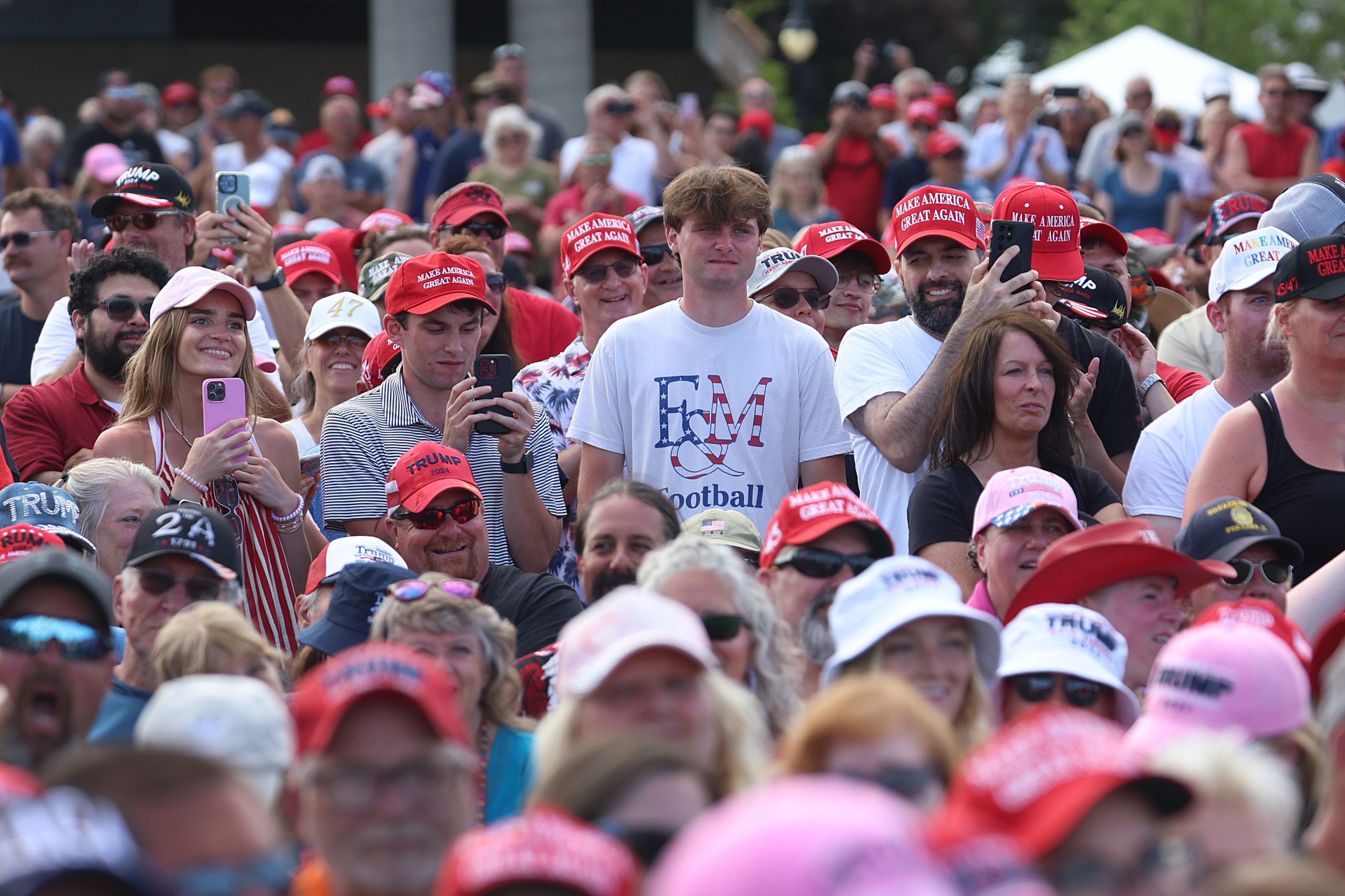
The traditional focus on electability this midterm season has largely centered on Democratic candidates. However, a closer examination of the political landscape reveals a growing question: is former President Donald Trump’s enduring influence inadvertently casting a shadow over Republican prospects? Despite lingering economic concerns, such as soaring gas prices, and a slate of Republican candidates facing personal scandals, the “electability” discussion for the GOP often seems to bypass the former president’s own challenging metrics.
The political climate presents a complex tapestry for the Republican party. While issues like inflation and the ongoing conflict in Iran, which has seen a decline in public support, could theoretically create openings for the opposition, the presence of Trump at the forefront of the party raises distinct challenges. Recent polling indicates that Trump’s approval rating has dipped to a concerning 33 percent, a low point not seen during his presidency. This figure, coupled with the fact that he remains a dominant figure in Republican discourse, prompts a critical question about how his brand is resonating with the very voters who propelled him to victory.
Entangled Fortunes: Trump’s Brand and GOP Success
The intertwined nature of Trump’s political identity and the Republican party’s agenda is undeniable. While Trump often rallies his base with unwavering confidence, the question of whether his brand is truly expanding or even holding steady among key demographics, particularly younger voters who were instrumental in his past successes, remains a subject of intense debate. This dynamic was explored in a recent discussion on “America, Actually,” where host Astead Herndon engaged with conservative influencer CJ Pearson, a vocal defender of Trump. The conversation delved into the potential for a slip in Trump’s brand appeal and the subsequent implications for Republican candidates vying for office in the upcoming midterms. The presence of candidates like Ohio Rep. Max Miller and Ken Paxton, the former Texas Attorney General currently seeking a Senate seat, both entangled in their own controversies, further complicates the narrative. Their situations underscore how the broader perception of Republican leadership can be influenced by the controversies surrounding its most prominent figures.
The Electability Conundrum: A Dual-Edged Sword
The concept of electability often conjures images of a candidate who can appeal to a broad spectrum of voters, transcending partisan lines. For Democrats, this has been a recurring point of discussion, with scrutiny applied to candidates’ perceived ability to win over swing voters. However, the Republican party faces a unique electability conundrum. While Trump’s fervent base remains loyal, his polarizing nature and the controversies that have defined his post-presidency raise concerns about his capacity to attract independent and undecided voters. This is particularly relevant in a midterm election cycle where public sentiment on economic issues and international affairs could be significant drivers of the vote. The challenge for Republican candidates is to navigate this landscape, balancing their alignment with Trump’s platform and persona while simultaneously appealing to a wider electorate that may be wary of his influence.
Looking Ahead: A Defining Moment for the GOP
As the midterm elections approach, the Republican party stands at a critical juncture. The extent to which Donald Trump’s personal brand and approval ratings continue to influence voter sentiment will be a key determinant of electoral success. The ongoing debate about electability within the party highlights a fundamental tension between energizing the base and broadening appeal. Whether Republican candidates can successfully distance themselves from Trump’s controversies, or if his continued prominence will prove to be an insurmountable hurdle, will become clearer as Election Day draws nearer. The narrative surrounding Trump’s impact on the GOP’s electoral fortunes is far from settled, and its resolution will undoubtedly shape the future of American politics.
Based on materials: Vox



