
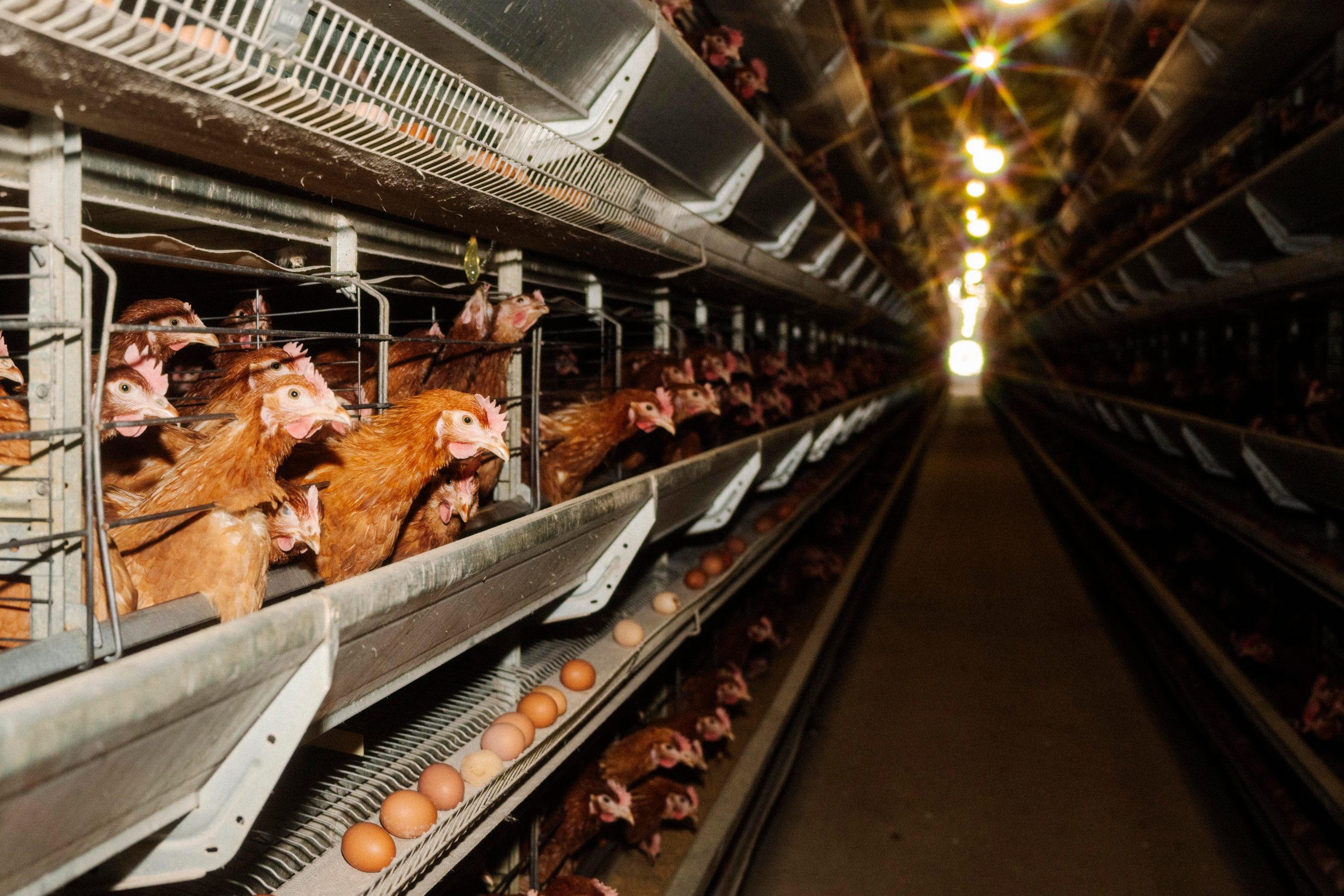
The pursuit of more humane animal agriculture has long been intertwined with the perception of environmental responsibility. Consumers often associate farms with better animal welfare practices with a smaller ecological footprint – a phenomenon researchers have dubbed the “humane halo” effect. However, recent findings are challenging this deeply ingrained intuition, suggesting that the very choices consumers make for ethical reasons could, paradoxically, be contributing to greater environmental strain.
A significant study exploring the environmental impacts of various egg farming systems has revealed a surprising outcome: cage-free, free-range, and even organic egg production may be more detrimental to the planet than traditional caged systems. The research indicates that these more “humane” methods can result in higher greenhouse gas emissions, increased land utilization, and a broader spectrum of environmental harms compared to confining hens in conventional battery cages. This revelation throws a stark spotlight on the complex trade-offs inherent in our food systems and prompts a re-evaluation of what truly constitutes sustainable and ethical food production.
The Unexpected Environmental Toll
The implications of this research are substantial, given that over 8 billion egg-laying hens are farmed globally at any given time. The study’s methodology likely accounted for a range of factors that contribute to the environmental burden of different farming styles. For instance, free-range and cage-free systems, by their very nature, require more space per bird. This increased land use can translate to greater deforestation or conversion of natural habitats for agricultural purposes. Furthermore, allowing hens greater mobility and access to outdoor spaces can necessitate more complex waste management systems and potentially lead to increased resource consumption for housing and environmental control.
The energy expenditure associated with these systems also plays a crucial role. While caged hens are housed in highly controlled environments, cage-free systems might require more energy for ventilation, heating, and cooling to manage larger, more dynamic spaces. The transportation of feed and the disposal of waste can also differ significantly, with potentially greater logistical challenges and associated emissions in less concentrated farming models. The researchers’ analysis, therefore, seems to extend beyond the immediate welfare of the hens to encompass the entire life cycle of egg production, from feed sourcing to final product.
Reconsidering “Humane Halo”
The concept of the “humane halo” effect underscores how easily consumers can conflate ethical treatment of animals with environmental stewardship. This new research forces a critical examination of this assumption. It suggests that while the intention behind choosing cage-free or organic eggs is commendable – prioritizing animal well-being – the environmental consequences may not align with consumer expectations. This doesn’t necessarily mean abandoning the pursuit of better animal welfare, but rather necessitates a more nuanced understanding of the interconnectedness of ethical and environmental considerations in agriculture.
The answer, as the source material suggests, is not to simply revert to the most environmentally efficient but ethically questionable caged systems. Instead, this study serves as a crucial call to action for further innovation and research. The future of egg production likely lies in developing farming methods that can simultaneously enhance animal welfare and minimize environmental impact. This could involve advancements in feed efficiency, waste-to-energy technologies, improved land management practices within free-range systems, and the development of more sustainable housing solutions. Ultimately, informed consumers and proactive industry changes are both vital to achieving a truly sustainable and ethical food future.
Based on materials: Vox



