
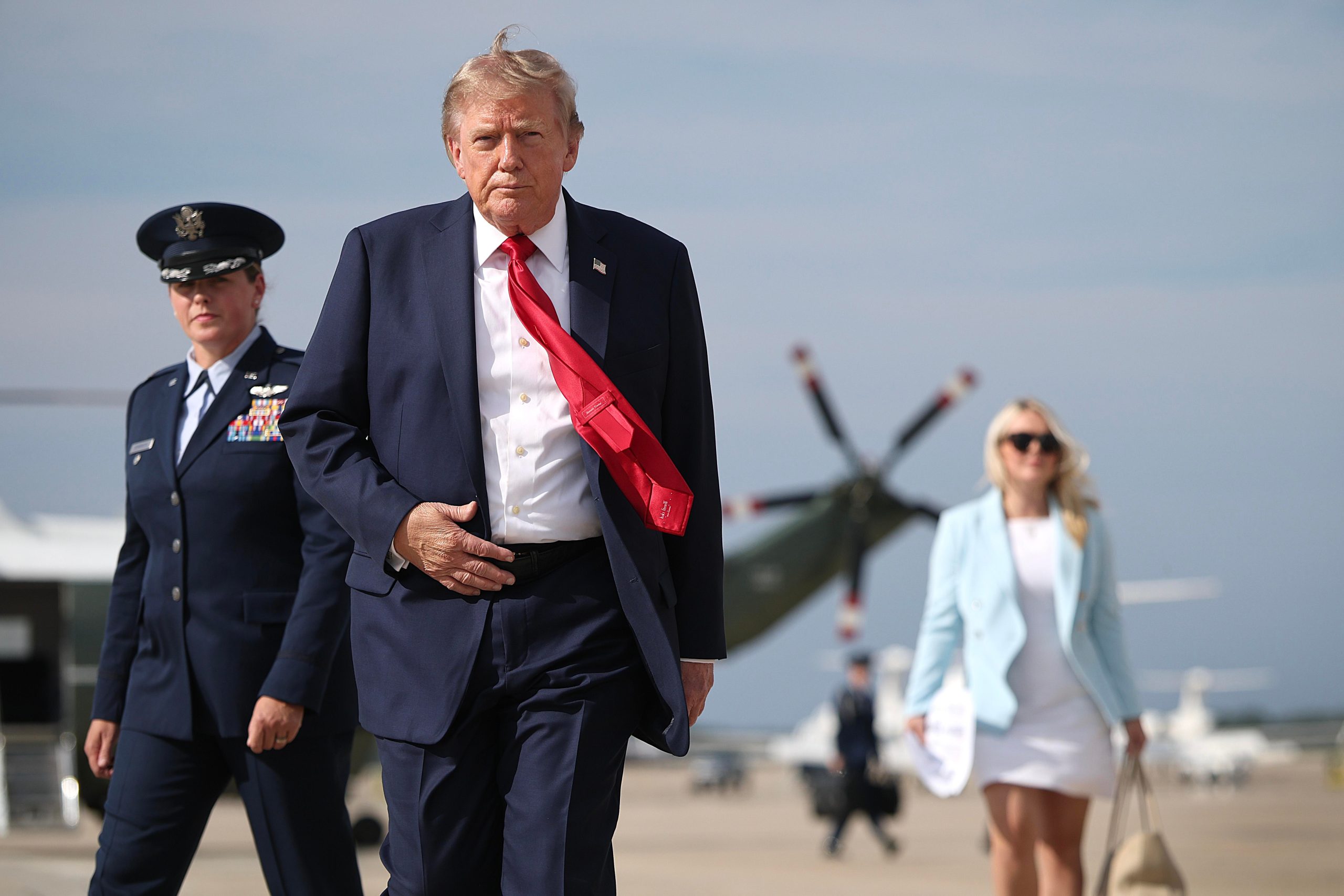
The fragile truce in the US-Canada trade relationship has shattered, with President Donald Trump reimposing significant tariffs on Canadian goods and signaling further aggressive actions. This abrupt escalation, occurring mere days after initial reports of a trade deal, has plunged bilateral economic ties into renewed uncertainty and ignited heated rhetoric from Washington.
Tariffs Reignite Trade Tensions
What was presumed to be a resolved trade dispute has dramatically re-emerged as the Trump administration slapped a 50% tariff on approximately $20 billion worth of Canadian imports. This move directly contradicts earlier assurances that an agreement had been reached, leaving Canadian businesses and policymakers scrambling to understand the sudden reversal. The administration’s aggressive stance extends beyond immediate tariffs, with explicit threats of even higher duties on critical sectors like automobiles, auto parts, and steel. These potential future levies represent a significant risk to industries deeply integrated across the North American continent.
Inflammatory Rhetoric Fuels Discord
Adding fuel to the economic fire, Vice President JD Vance and other administration officials have employed increasingly provocative language when discussing Canada. Vance’s recent comments, describing Canada as “a state” that “quite literally would get invaded by a foreign country were it not for the umbrella of protection provided by the United States,” have been widely interpreted as a deliberate attempt to belittle and intimidate Canada. This diplomatic hostility, coupled with economic pressure, signals a significant departure from traditional alliances and a willingness to leverage the US’s economic power for perceived geopolitical gain. Such rhetoric not only damages the immediate trade relationship but also erodes the long-standing trust and cooperation between the two nations.
Analysis: A Strategic Gamble or Self-Inflicted Wound?
The re-escalation of the trade war raises questions about the administration’s strategic objectives. Is this a calculated tactic to extract further concessions from Canada, or a broader manifestation of an “America First” policy that prioritizes bilateral leverage over established multilateral frameworks? The implications for US businesses that rely on Canadian supply chains and for Canadian consumers are substantial, potentially leading to increased costs and reduced market access. Furthermore, the inflammatory rhetoric risks alienating a key ally, potentially weakening North American security and economic partnerships in the long run. This development underscores the unpredictable nature of the current administration’s foreign economic policy and its willingness to disrupt long-standing relationships for perceived short-term advantages. The coming weeks will likely reveal the full extent of the fallout from this renewed trade confrontation.
Based on materials: Vox



