
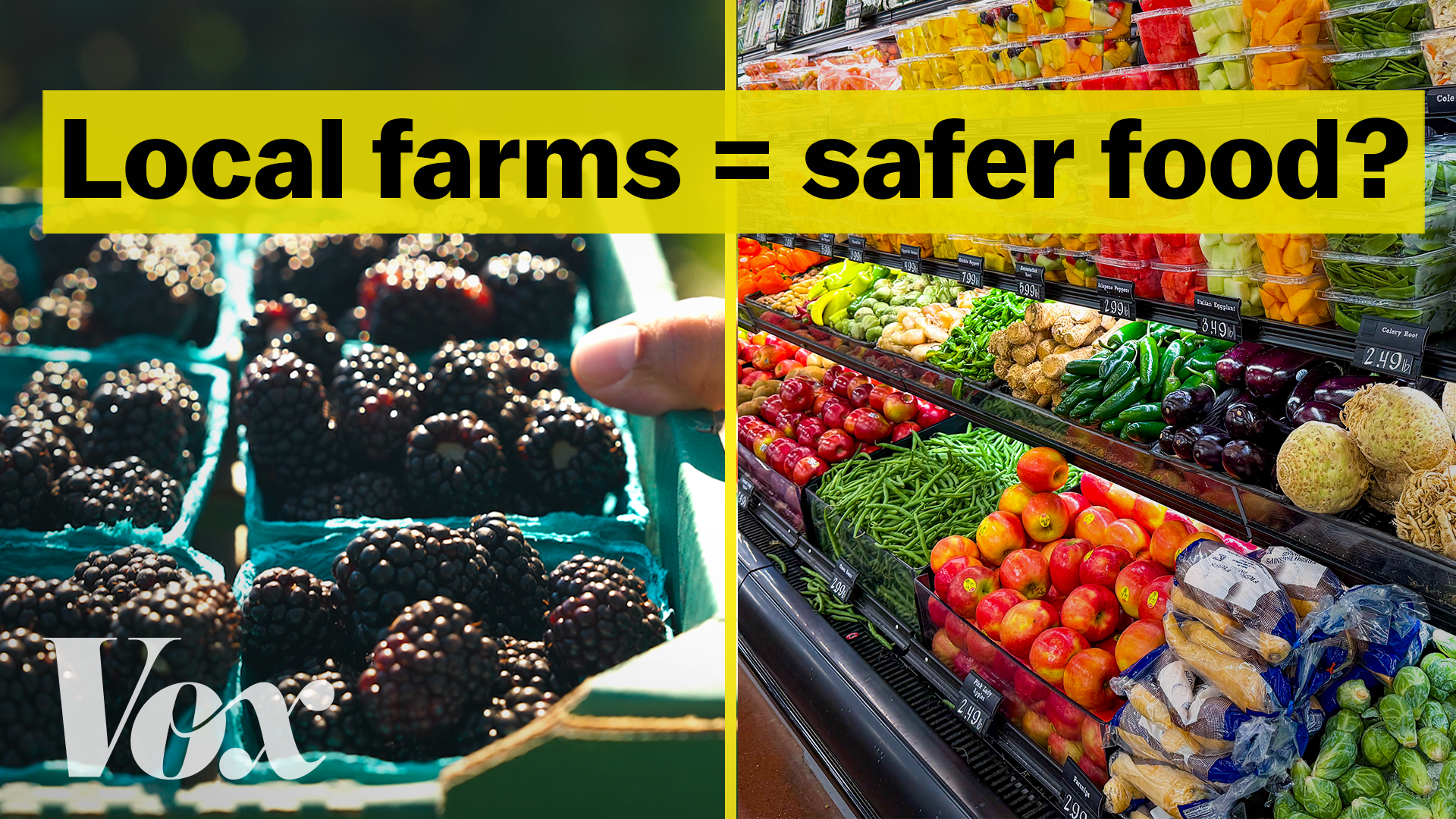
As concerns over food safety escalate, American consumers are increasingly looking to farmers markets for a more transparent and potentially safer alternative to conventional grocery stores. A recent survey reveals that a significant majority of Americans—59%—prioritize knowing the origin of their food, with 54% favoring locally sourced products. Farmers markets, with their direct connection to producers, are emerging as a prime destination for these health-conscious shoppers.
The landscape of food sourcing in the United States is undergoing scrutiny, particularly in the wake of several high-profile food recalls that have shaken public confidence. The journey of food from farm to table can be a long and complex one, involving numerous intermediaries, processing plants, and distribution networks, each step introducing potential points of contamination or spoilage. In contrast, the direct model offered by farmers markets, where consumers often interact directly with the farmers who grow their food, presents a compelling argument for enhanced food safety.
The Direct Route: From Field to Fork
The inherent advantage of purchasing from a farmers market lies in the reduced supply chain. Produce typically travels a fraction of the distance compared to items found on supermarket shelves, which may have traversed hundreds or even thousands of miles. This shorter journey means less time spent in storage and transit, potentially preserving freshness and minimizing the risk of temperature fluctuations that can compromise food safety. Furthermore, the direct interaction between consumer and farmer allows for immediate questions about growing practices, pesticide use, and harvesting methods, fostering a level of transparency rarely found in traditional retail. With over 8,700 farmers markets across the U.S., these hubs are more than just places to buy fresh produce; they are becoming symbols of a more accountable food system.
Navigating the Market: Quality and Trust
While the allure of local and fresh is strong, questions about the rigorous safety standards at smaller, independent operations sometimes arise. However, many farmers markets adhere to strict regulations, and the direct accountability to their community often encourages farmers to maintain high standards. Consumers can often learn about a farmer’s practices firsthand, fostering a sense of trust that transcends mere labels. The ability to see the produce, often harvested just days or even hours before being sold, offers a tangible assurance of quality and freshness. This direct feedback loop not only benefits the consumer but also provides valuable insights to the farmer, driving continuous improvement in their operations.
The Future of Food Sourcing
As the food industry grapples with complex global supply chains and the ever-present threat of contamination, farmers markets offer a refreshing and practical solution for many consumers. They represent a commitment to local economies, sustainable agriculture, and, importantly, a potentially safer way to nourish ourselves and our families. The growing consumer demand for transparency and local sourcing suggests that farmers markets are not just a trend, but a fundamental shift in how Americans want to connect with their food. By supporting these local hubs, consumers are investing in a food system that is not only fresher but also more accountable and, for many, demonstrably safer.
Based on materials: Vox



