
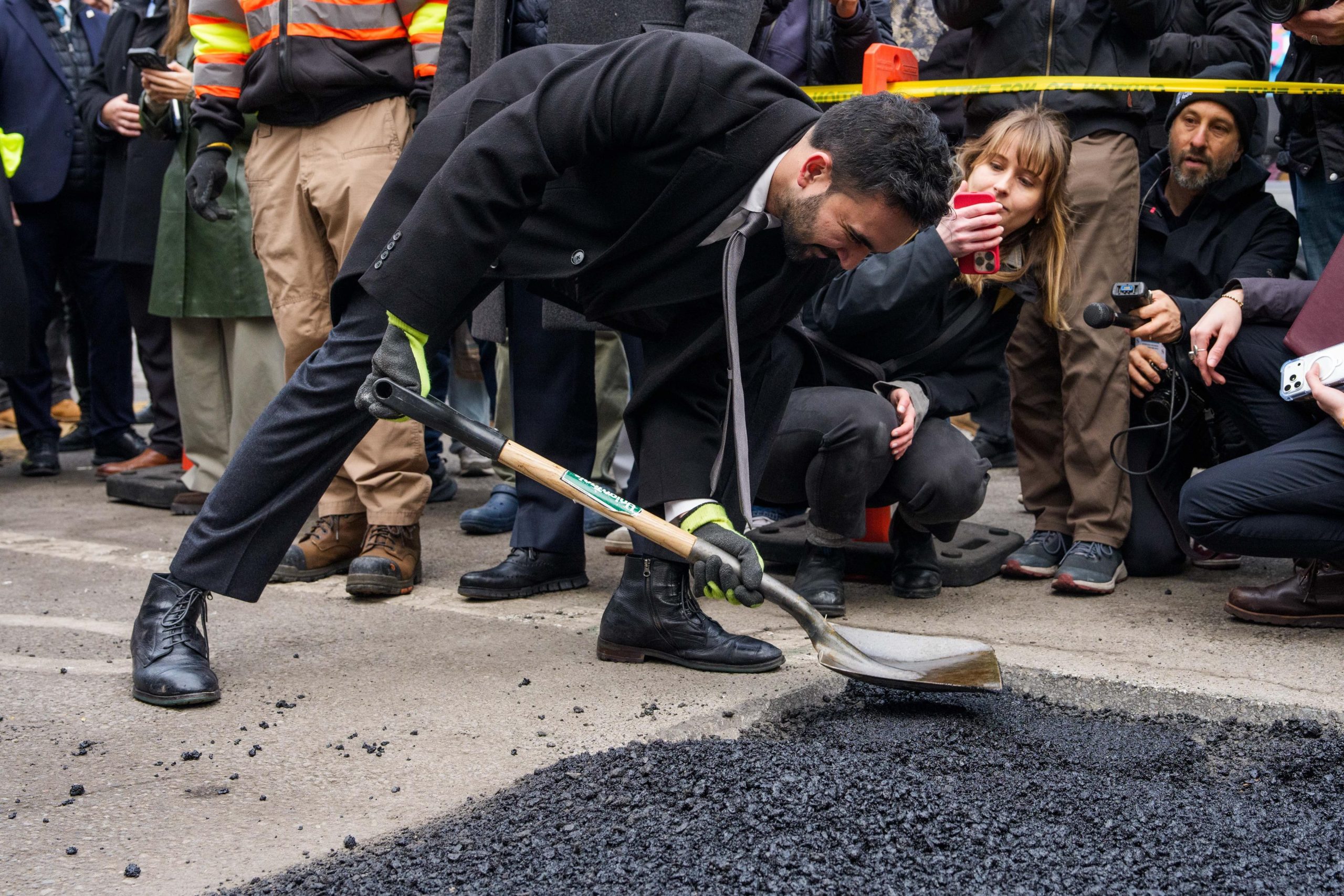
New York City’s approach to governance is undergoing a subtle, yet significant, shift, with a surprising focus on the mundane: potholes. While grand policy initiatives often dominate headlines, it’s the seemingly small gestures, like swift pothole repairs and vibrant scaffolding, that are resonating with residents and potentially rebuilding trust in local government. This renewed emphasis on tangible improvements signals a pragmatic evolution in urban management, moving beyond ideological pronouncements to address everyday frustrations.
From Eyesores to Aesthetics: Redefining Urban Infrastructure
The city’s ubiquitous scaffolding, long a symbol of urban decay and inconvenience, is now being reimagined. Mayor Zohran Mamdani’s initiative to introduce brightly colored, aesthetically pleasing scaffolding is more than just a cosmetic upgrade; it represents a fundamental shift in how public spaces are perceived. For years, the drab, utilitarian scaffolding has been an unavoidable part of the New York streetscape, often seen as a blight. By injecting color and design into these structures, the administration is attempting to transform a source of public annoyance into a point of visual interest. This approach acknowledges that the urban environment impacts daily life and that even functional infrastructure can be elevated to enhance the quality of life for residents.
The Pothole Paradox: Small Fixes, Big Impact
The swift and visible repair of potholes has emerged as a potent symbol of responsive governance. One New Yorker’s experience of reporting potholes and finding them filled by the time he returned home from work encapsulates this new philosophy. In a city where infrastructure issues can often feel perpetually neglected, such prompt action can be a powerful antidote to cynicism. It suggests a government that is not only listening but also acting decisively on issues that directly affect residents’ commutes and daily lives. This focus on tangible results, however small, can foster a sense of efficacy and demonstrate that the government is working for the people.
Beyond Ideology: The Pragmatism of Practical Governance
While Mayor Mamdani’s administration has been associated with more ambitious, ideologically driven proposals like city-run grocery stores and taxes on the wealthy, the success of initiatives like pothole repair and scaffolding beautification highlights a pragmatic turn. The quote from a New Yorker suggesting this might be “the change we need” points to a public sentiment that values concrete improvements over abstract political ideologies. This shift suggests a growing recognition that effective governance is not solely about enacting sweeping reforms but also about diligently addressing the foundational elements of city life. By prioritizing visible, impactful improvements, the administration is laying the groundwork for increased public trust, demonstrating that even the most complex urban challenges can be tackled, one pothole, one brightly painted scaffolding at a time.
Based on materials: Vox



