
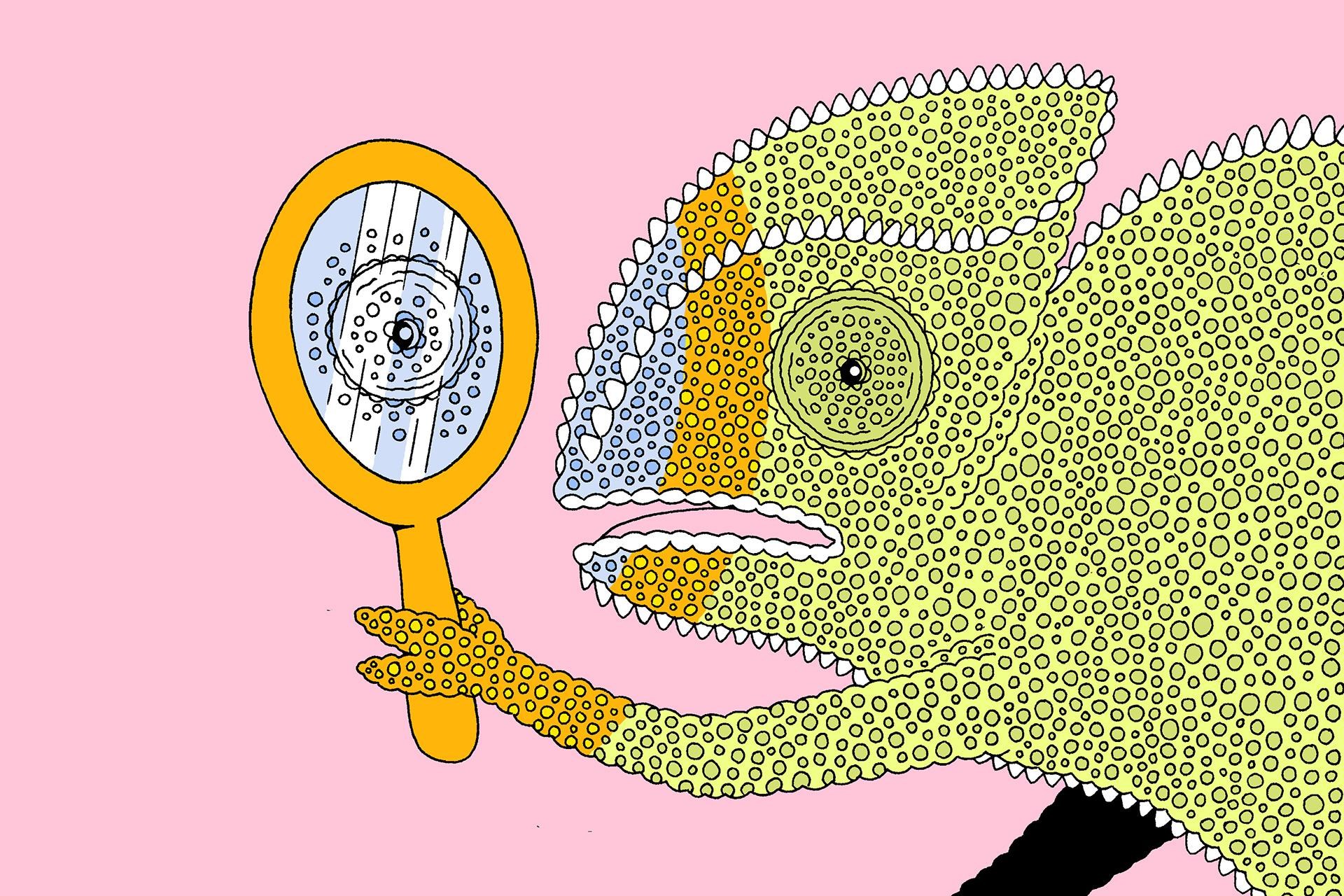
In the intricate dance of human connection, the line between collaboration and conformity can blur, leaving individuals wondering about their own authentic identity. For those who readily absorb the “ways of being” of those around them, the desire to fit in can be a powerful, yet potentially disorienting, force. This internal tug-of-war, where a natural inclination to connect clashes with the need for self-definition, is a common thread in the human experience.
The Chameleon’s Dilemma
The phenomenon described is akin to being a social chameleon, a descriptor that captures the tendency to adapt one’s behavior, beliefs, and even personality to match those in their immediate social circle. While this trait can foster strong bonds and facilitate smooth social interactions, it raises a crucial question: who are you when you’re not reflecting others? This constant adaptation, while seemingly harmless, can lead to a sense of losing oneself, a feeling of being a “weathervane” easily swayed by external influences rather than a steadfast individual with an inner compass. The desire to please, a cornerstone of many “people pleaser” personalities, often fuels this behavior, creating a cycle where validation is sought through assimilation.
Navigating the Path to Self-Discovery
Breaking free from this pattern isn’t about rejecting connection, but about rebalancing it with self-awareness. It requires a conscious effort to differentiate between genuine empathy and uncritical imitation. This journey often begins with introspection. Understanding your core values, your passions, and your individual perspectives is paramount. Journaling, mindfulness practices, and engaging in solitary activities that bring you joy can be powerful tools in this process. By actively listening to your own thoughts and feelings, separate from the immediate influence of others, you can begin to identify your unique inclinations and preferences.
Cultivating Authenticity in Relationships
The challenge then becomes translating this newfound self-awareness into outward expression. Standing up for yourself more, as the original inquirer expressed a desire to do, doesn’t necessitate confrontation. It can manifest as gentle assertion, clearly articulating your needs and boundaries without compromising the respect for others. This involves learning to say “no” when necessary, offering your unique perspective even when it differs from the group, and recognizing that your worth is not contingent on universal agreement. Ultimately, fostering authentic relationships means allowing yourself to be seen for who you truly are, not just for who you are when you’re with others. This journey of self-discovery is ongoing, a continuous process of refinement and growth that enriches both personal well-being and the depth of our connections.
Based on materials: Vox



