
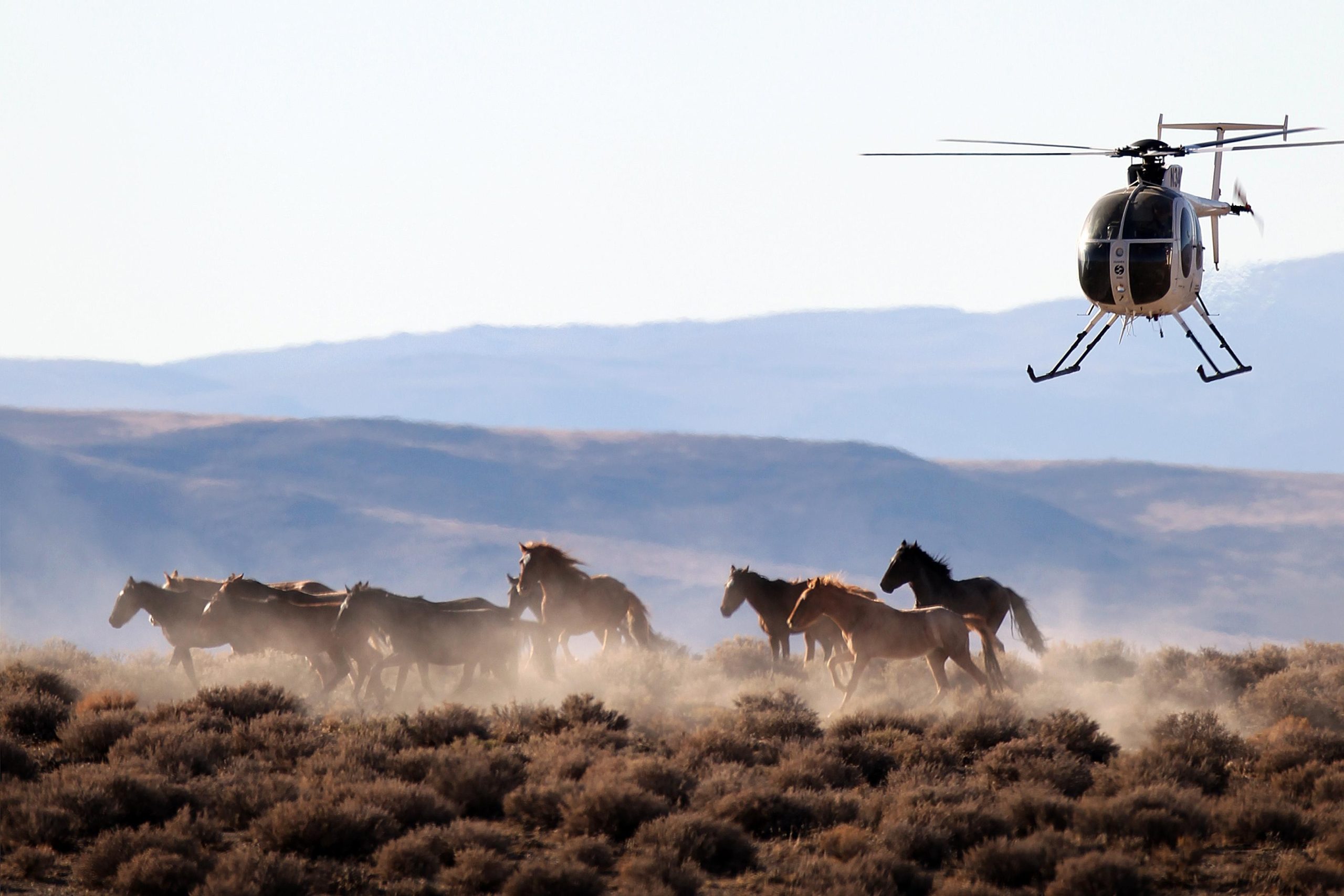
The iconic image of wild horses roaming free across the American West is facing a stark new reality. While thousands are rounded up annually from public lands due to concerns over overpopulation and land sustainability, a growing debate is emerging about their ultimate fate. Now, the US beef industry is reportedly looking to capitalize on a legal loophole that allows these animals to be processed for meat, primarily for export.
A Controversial Round-Up and Export Loophole
The Bureau of Land Management (BLM) oversees vast tracts of public land where over 90,000 wild horses and burros reside. Citing the strain these populations place on the environment, the federal government regularly conducts round-ups, often utilizing helicopters to herd the animals into corrals. Following capture, these horses are typically held in holding facilities for extended periods, awaiting adoption. However, a significant number are sold through a legal mechanism that allows livestock buyers to acquire them for as little as $25 per animal. While direct slaughter of these federally protected animals for meat within the United States is technically prohibited, these sales have enabled a pathway to slaughterhouses, primarily in Canada. From there, the meat is largely exported to markets in Europe and Asia. This practice has drawn scrutiny, with critics arguing it circumvents the spirit of federal protections for wild horses.
Beef Industry’s Interest and Ethical Quandaries
The recent New York Times investigation, which brought this practice to wider attention, has reportedly piqued the interest of the US beef industry. While the exact extent of their involvement remains under scrutiny, the prospect of accessing a new, albeit controversial, source of meat is a significant development. This potential shift raises complex ethical questions about the management of wild horse populations and the commodification of animals traditionally viewed as symbols of American heritage. Proponents of the slaughter option often point to the costs associated with maintaining holding facilities and the perceived overpopulation as justifications. However, animal welfare advocates and many members of the public express deep concern over the humane treatment of these animals and the potential for exploitation.
Navigating a Contentious Issue
The future of wild horses on public lands is a deeply divisive issue. Balancing the ecological needs of the land with the cultural and ethical considerations surrounding these animals presents a significant challenge for policymakers. The involvement of the beef industry introduces another layer of complexity, shifting the focus from population control and land management to potential agricultural utilization. As this debate continues to unfold, it highlights the ongoing tension between conservation efforts, economic interests, and the evolving public perception of animals that have long galloped through the American consciousness. The discussion is likely to intensify as stakeholders grapple with finding sustainable and ethically sound solutions for managing wild horse populations.
Based on materials: Vox



