
While the expiration date on your yogurt might tell you when it’s no longer safe to eat, a far more insidious threat could be lurking in your pantry: the food packaging itself. A recent peer-reviewed study has revealed a startling reality: out of over 15,000 chemicals that come into contact with our food, a significant number pose serious health risks, yet remain largely unassessed for public safety.
The traditional methods of determining food safety—checking dates, appearance, and smell—fail to account for the invisible migration of chemicals from packaging into our meals. The study identified 1,222 chemicals with the potential to cause severe health issues, including cancer and reproductive harm. Even more concerning is that a staggering 87% of these chemicals lack sufficient publicly available data for independent scientists to even begin evaluating their safety. This information gap leaves consumers in the dark about potential dangers beyond simple spoilage.
The Unseen Threat in Everyday Foods
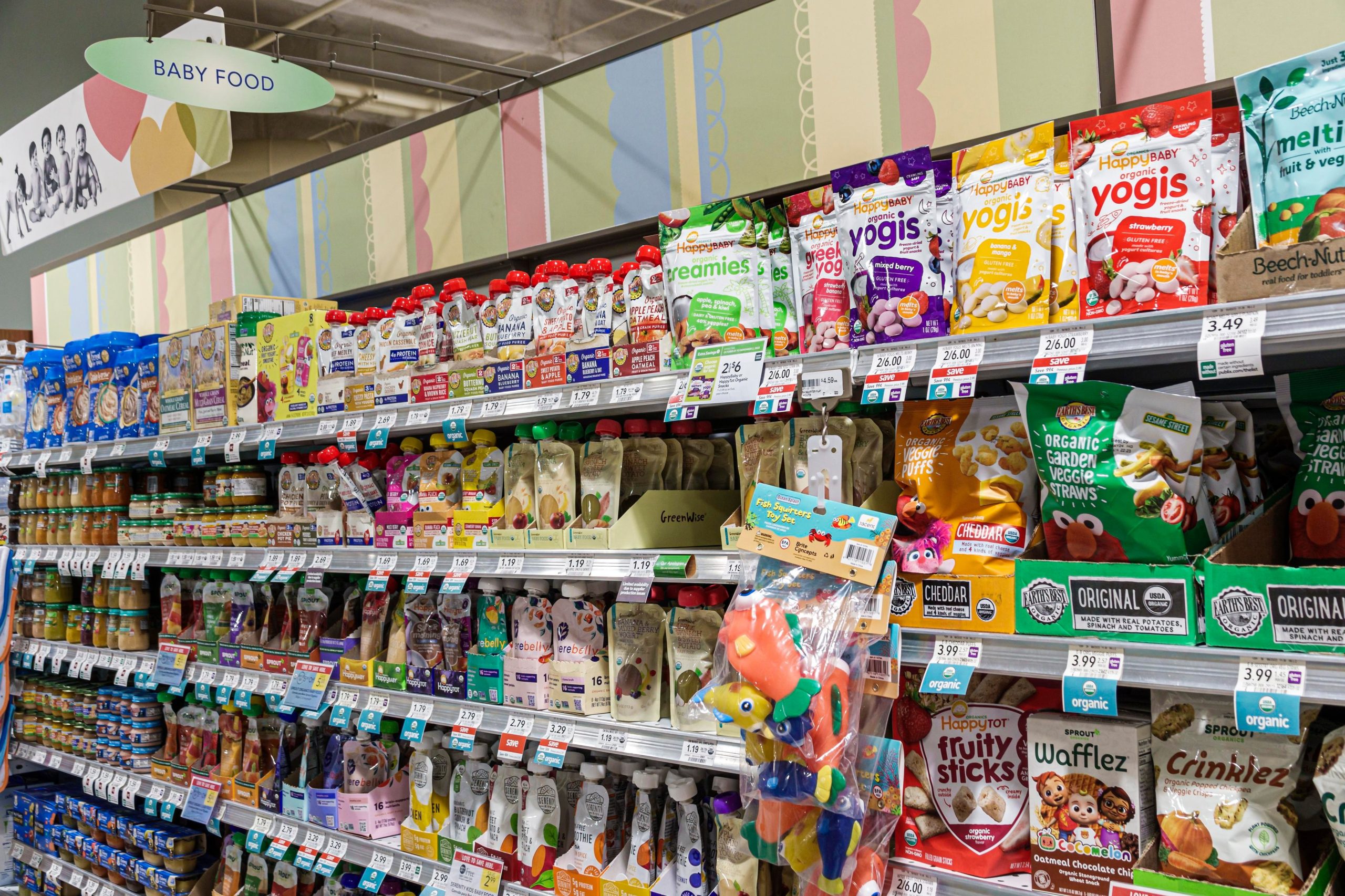
From the plastic containers holding leftovers to the linings of canned goods and the ubiquitous pouches for baby food, a vast array of materials are employed to keep our food fresh and transportable. However, the chemical compounds used in these materials are not inert. Under certain conditions, such as heat or prolonged contact, these chemicals can leach into the food, introducing a cocktail of substances into our diets. Baby food pouches, in particular, have been highlighted as a point of concern due to their common use and the sensitive nature of their intended consumers. The research underscores a critical need for greater transparency and rigorous safety evaluations of food-contact materials, moving beyond our current reliance on date labels.
A Call for Transparency and Regulation
The implications of this study are far-reaching, demanding a re-evaluation of how food packaging safety is regulated and communicated. The lack of accessible information on the vast majority of food-contact chemicals creates a significant hurdle for both scientific assessment and consumer awareness. Experts emphasize that this data deficiency prevents independent scientists from adequately gauging risks, leaving a crucial regulatory gap. This situation calls for a proactive approach from both industry and regulatory bodies to ensure that the materials designed to protect our food do not inadvertently compromise our health. Moving forward, a robust framework for chemical assessment and clear labeling regarding potential migration risks will be essential to safeguard public well-being.
This research serves as a stark reminder that food safety extends beyond the perishability of the food itself. The materials encasing our sustenance are a critical, yet often overlooked, component of our overall health. As consumers, we are largely unaware of the potential chemical exposures from our everyday packaging. The findings necessitate a stronger push for scientific scrutiny, regulatory oversight, and a commitment to transparency from manufacturers to ensure that the convenience of modern food packaging doesn’t come at the cost of our long-term health.
Based on materials: Vox



