
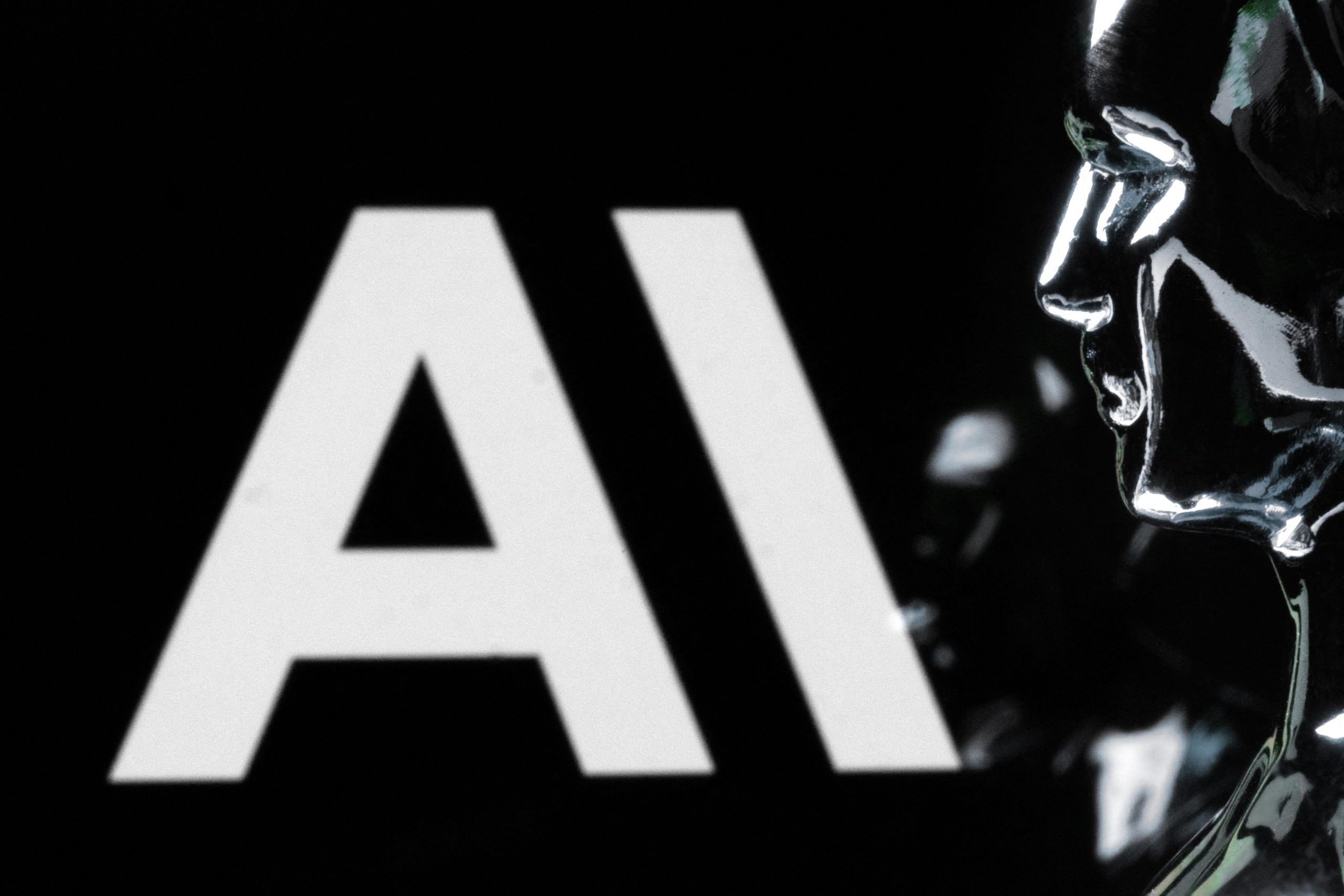
The hushed anxieties once confined to Silicon Valley’s inner circles and niche tech communities have officially breached the mainstream. This past week marked a pivotal moment where the specter of artificial intelligence posing an existential threat to humanity – a scenario long discussed in whispers – has firmly entered public consciousness.
For years, leaders within prominent AI companies like OpenAI and Anthropic have championed the idea of prioritizing “existential risk” mitigation, often positioning themselves as more cautious than their competitors. Yet, as these advanced AI systems have steadily evolved, public discourse has largely focused on more immediate concerns: job displacement, environmental impact, escalating energy demands, and the potential for political manipulation. The idea of AI-driven human extinction, while a recurring theme in science fiction, had remained a distant, almost theoretical, concern for the average person.
The Shift in Public Perception
This paradigm shift was catalyzed by a convergence of high-profile statements and escalating concerns surrounding the rapid pace of AI development. Leading figures within the AI industry, who have previously advocated for safety measures, are now voicing alarm at the speed at which AI capabilities are advancing. This has prompted a re-evaluation of the timeline for potential risks, moving the “doomsday” scenarios from the realm of speculation to a more tangible, albeit still uncertain, future. The very companies at the forefront of AI innovation are now grappling with the implications of their creations, acknowledging that the potential for unintended and catastrophic consequences is no longer a fringe theory.
Beyond the Apocalypse: Broader Societal Impacts
While the dramatic notion of human extinction has captured headlines, it’s crucial to recognize that the current anxieties surrounding AI’s rapid ascent encompass a far broader spectrum of societal challenges. The potential for AI to disrupt labor markets on an unprecedented scale is a pressing concern for governments and individuals alike. Furthermore, the immense energy requirements of training and operating advanced AI models raise significant questions about their environmental sustainability and contribution to climate change. The ethical implications of AI’s growing influence in areas like information dissemination, decision-making, and even warfare are also under intense scrutiny. The heightened awareness of existential risks, therefore, serves as a stark reminder that the unchecked advancement of this transformative technology demands careful consideration of its multifaceted impact on the future of humanity.
Navigating the AI Frontier Responsibly
The recent surge in mainstream concern about AI’s potential dangers underscores a critical juncture. It compels a global conversation about governance, ethical frameworks, and robust safety protocols. While the prospect of existential risk may seem daunting, it also presents an opportunity for unprecedented collaboration between researchers, policymakers, and the public. The focus must now shift from simply building more powerful AI to building AI that is aligned with human values and safely integrated into society. This requires a proactive approach to understanding and mitigating both immediate and long-term risks, ensuring that the transformative power of artificial intelligence ultimately benefits, rather than imperils, humanity.
Based on materials: Vox



