
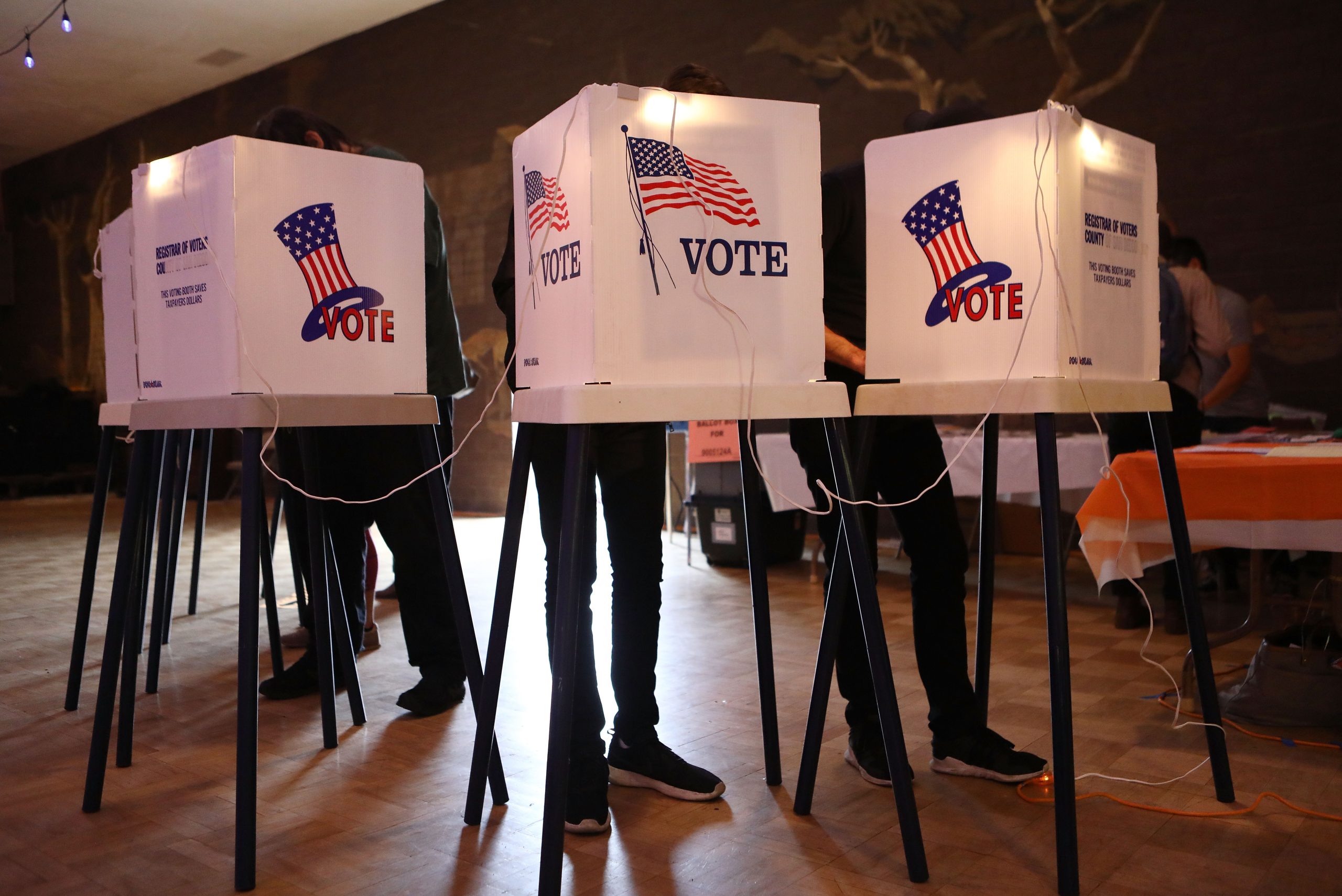
As the nation gears up for the next election cycle, a concerning trend is emerging from the shadows of past political contests. Individuals who have publicly questioned or outright denied the legitimacy of the 2020 presidential election results are now positioning themselves for influential roles in critical swing states. These candidates, fueled by a persistent narrative of election fraud, are seeking positions that could place them directly in charge of overseeing future electoral processes, raising significant questions about the integrity of American democracy.
A Persistent Shadow Over the Ballot Box
Since the 2020 election, when President Donald Trump refused to concede his defeat to Joe Biden, a segment of the Republican party has actively promoted unsubstantiated claims of widespread fraud. This movement has extended beyond mere rhetoric, with dedicated individuals taking on tangible roles within election infrastructure. They have secured spots on local election boards, worked within election offices, trained poll watchers, and actively lobbied to shape state election laws. This strategic infiltration aims to embed a skeptical viewpoint directly into the mechanisms of election administration, potentially influencing how votes are cast, counted, and certified.
Candidates Seeking Control of Future Elections
The focus now shifts to the upcoming 2026 midterms, where a growing number of candidates espousing election-denying platforms are running for governor and other high-profile offices in battleground states. These are not fringe candidates; they are seeking positions of significant power. If successful, their victories could grant them considerable influence over election administration, certification, and even the very rules governing how elections are conducted. This presents a stark scenario where individuals who have actively undermined faith in the electoral system could be tasked with safeguarding its future.
Andrew Kaczynski, a senior reporter at CNN who has been closely tracking these candidates, highlights the potential ramifications of their ascent. His reporting, featured in a recent discussion on Vox’s “Today, Explained,” underscores the urgency of understanding the motivations and potential impact of these individuals. Their campaigns represent a direct challenge to established democratic norms and raise the specter of systemic changes designed to favor certain political outcomes, rather than ensuring equitable access and accurate results for all voters.
Implications for Democratic Integrity
The implications of election deniers gaining positions of authority are profound. Critics warn that such individuals could introduce partisan bias into election management, potentially disenfranchise voters, or even refuse to certify legitimate election results. The very foundation of a representative democracy rests on public trust in the electoral process. When that trust is eroded by persistent, unfounded allegations of fraud, and when those who propagate such narratives gain control over election administration, the health of democracy itself is at risk. As these candidates make their case to voters, the underlying narrative of doubt and distrust cast upon the 2020 election continues to reverberate, with potentially far-reaching consequences for the future of American elections.
Based on materials: Vox



