
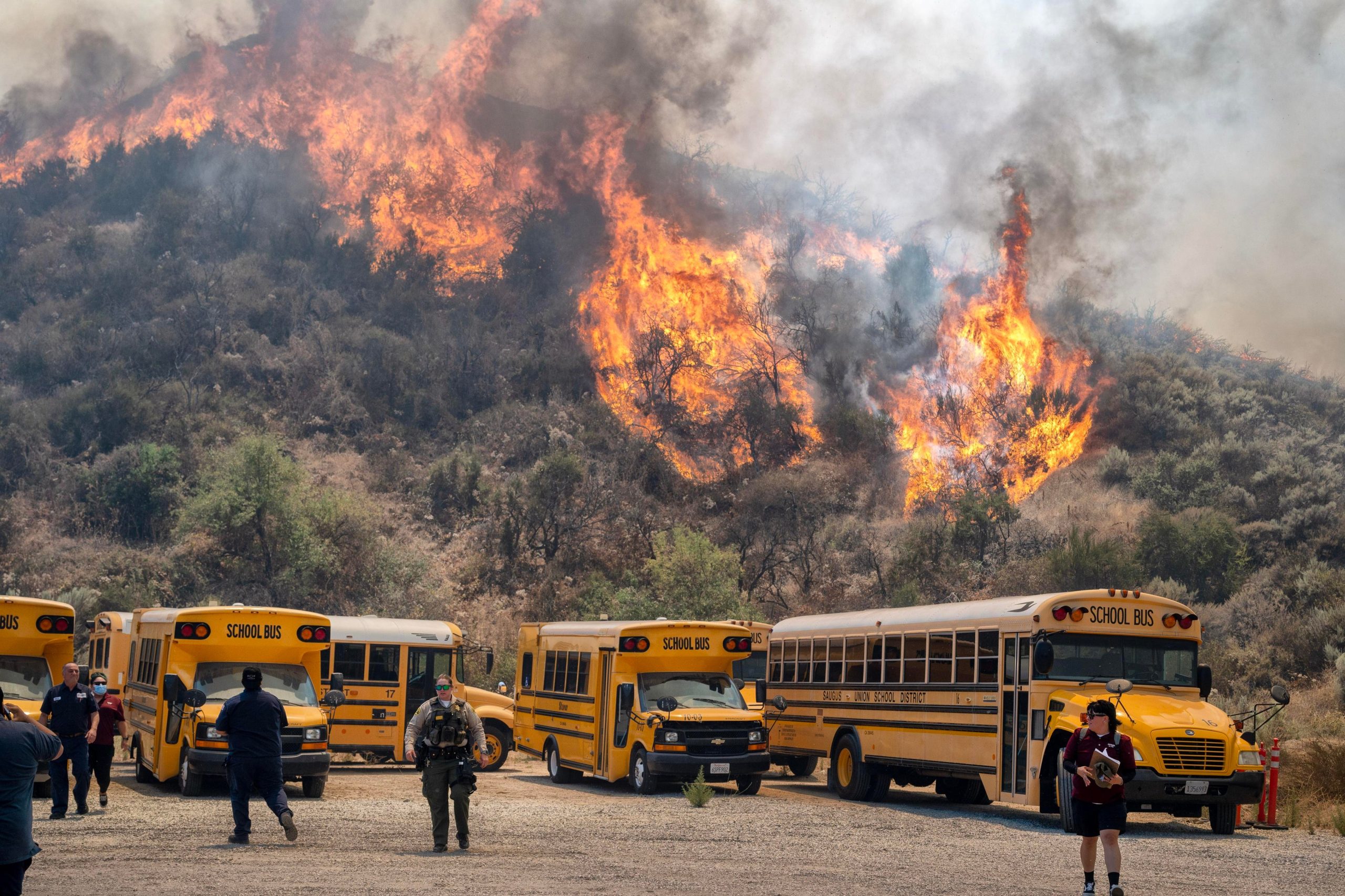
The image of wildfires conjures up visions of remote forests and arid Western landscapes. For decades, these destructive blazes were largely perceived as a distant problem, confined to the wilderness or the fringes of sparsely populated areas. However, a concerning new reality is unfolding: wildfires are no longer solely a rural phenomenon. They are increasingly encroaching upon our cities and suburban neighborhoods, bringing with them a host of unprecedented dangers.
The Shifting Landscape of Fire Risk
Recent events paint a stark picture of this evolving threat. This past summer, a suburban area in Spokane, Washington, bore the brunt of a wildfire that obliterated over 800 homes. The devastating impact was not confined to the West; earlier in the season, thick, toxic smoke from fires raging in Ontario blanketed the entire Northeast coast, a stark reminder of the far-reaching consequences of these infernos. In Nevada, the Hawk Fire near Reno consumed more than 15,000 acres and reduced 47 homes to ash before it was finally contained. These are not isolated incidents. The memory of last year’s Los Angeles fires, which scorched over 37,000 acres of densely populated residential areas and forced 205,000 people from their homes, remains a potent symbol of this alarming trend.
Unseen Dangers: Toxic Smoke and Urban Fuel
The expansion of wildfires into urban and suburban zones introduces a new layer of peril: the toxic cocktail of smoke. As these fires consume not only natural vegetation but also the built environment, they release a noxious mix of burning plastics, metals, and other synthetic materials. This creates a far more hazardous airborne threat than traditional forest fires, posing significant risks to respiratory health and long-term well-being for millions of residents. The proximity of these fires to densely populated areas means that escape routes can become compromised, and the sheer volume of combustible materials within cities can act as fuel, accelerating the spread and intensity of the flames.
Adapting to a New Era of Wildfire Preparedness
This escalating urban wildfire threat demands a fundamental reevaluation of our preparedness strategies. It’s no longer sufficient to focus solely on forest management and remote fire suppression. Local governments, urban planners, and residents alike must grapple with the reality that their communities are now in the crosshairs. This includes developing robust evacuation plans that account for traffic congestion in built-up areas, implementing stricter building codes in fire-prone zones, and fostering greater public awareness about the risks of igniting fires in dry conditions. Furthermore, understanding the complex interplay of climate change, land-use patterns, and urban sprawl is crucial in formulating long-term solutions to mitigate this growing danger. The wildfire danger is no longer a problem for “somewhere else”; it is a clear and present challenge that requires our immediate attention and adaptation.
Based on materials: Vox



