
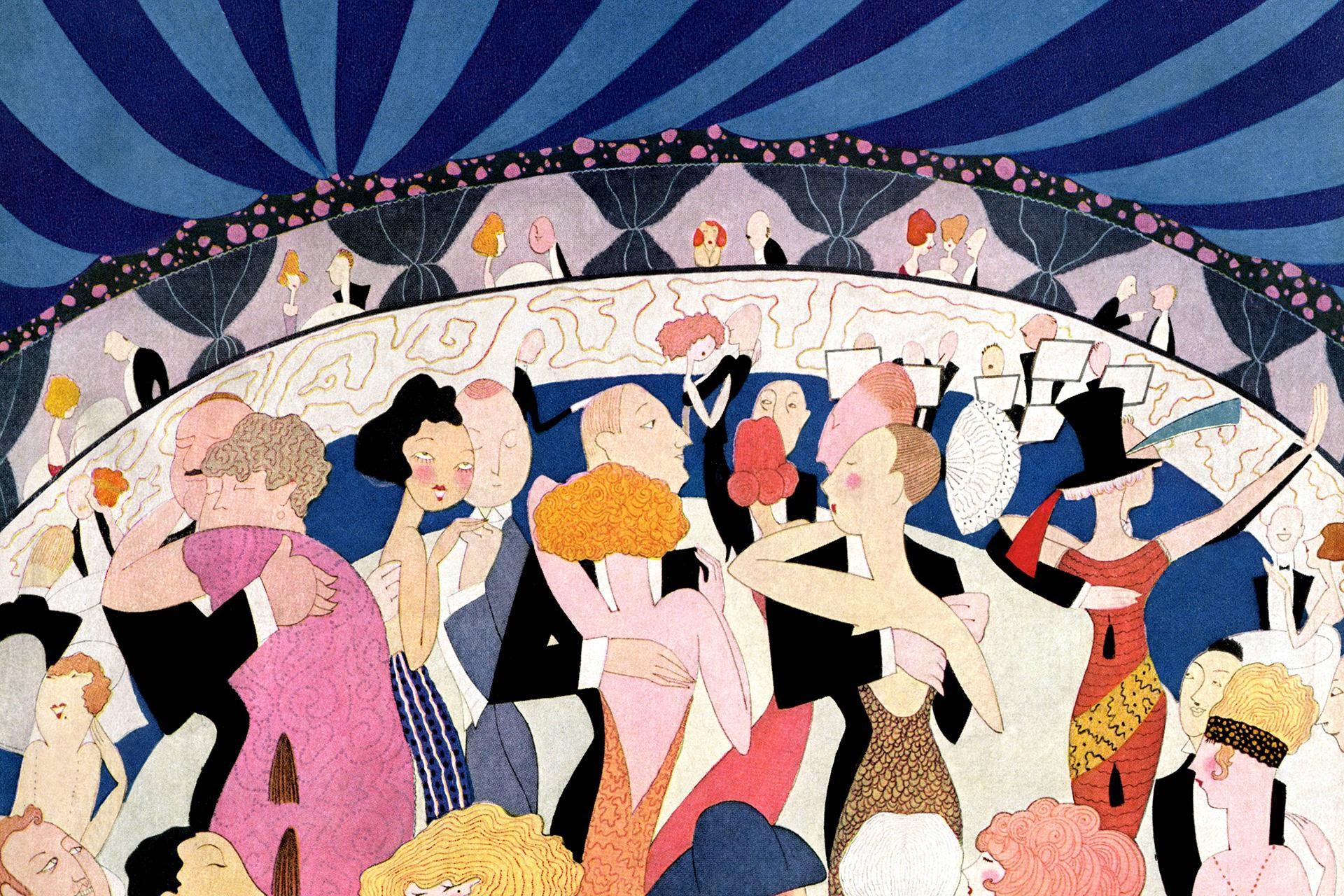
In an era where over half of Americans report feeling isolated, and social gatherings are on a steep decline, a forgotten pillar of human connection is being rediscovered. Last year, a mere 4% of adults reported attending a party on a weekend or holiday, a stark contrast to a history where communal celebration was not just common, but foundational. This shift raises a critical question: what are we losing when we opt for solitude over social engagement, and what can the echoes of past revelry teach us about fostering connection today?
The Ancient Roots of Celebration
According to Imogen Willetts, a party historian and author of “Up All Night: A History of Going Out,” our current social habits are a historical anomaly. For millennia, the very elements we associate with modern nightlife – music, dancing, shared indulgence, and even hedonism – were intrinsically woven into the fabric of religious and spiritual practices. In societies where religion permeated every aspect of life, these communal experiences were not separate events but integral components of a shared worldview. They served as vital mechanisms for community bonding, reinforcing social structures, and providing collective catharsis. The decline of such deeply ingrained social rituals leaves a void, impacting not only individual well-being but also the strength of our collective bonds.
Reclaiming Connection in a Disconnected World
The implications of this social withdrawal are profound. Loneliness is increasingly recognized as a significant public health concern, linked to a myriad of physical and mental health issues. While technology offers avenues for virtual connection, it often falls short of replicating the rich, multi-sensory experience of in-person gatherings. Parties, in their purest form, offer a unique space for spontaneous interaction, shared laughter, and the building of genuine relationships. They provide opportunities to step outside our daily routines, break down social barriers, and foster a sense of belonging that is essential for human flourishing. Understanding the historical significance of these gatherings can inform our efforts to rebuild them today.
The Modern Party Playbook
As we navigate this new social landscape, there’s a growing interest in not just understanding
why
we should party, but
how
. The art of hosting and attending gatherings has become a skill worth cultivating. This involves more than just inviting people over; it’s about creating an environment that encourages genuine interaction and makes guests feel welcomed and valued. For hosts, this can mean thoughtful planning, creating a relaxed atmosphere, and facilitating introductions. For guests, it’s about being present, engaging with others, and contributing positively to the shared experience. As we re-evaluate our social lives, embracing the opportunity to gather, even in small ways, can be a powerful antidote to the pervasive sense of isolation.
The historical precedent for communal celebration is undeniable. While the forms of our gatherings may evolve, the fundamental human need for connection and shared experience remains constant. By recognizing the deep-seated roots of partying and understanding its role in fostering community and well-being, we can begin to reclaim this vital aspect of human life and combat the growing epidemic of loneliness, one gathering at a time.
Based on materials: Vox



