
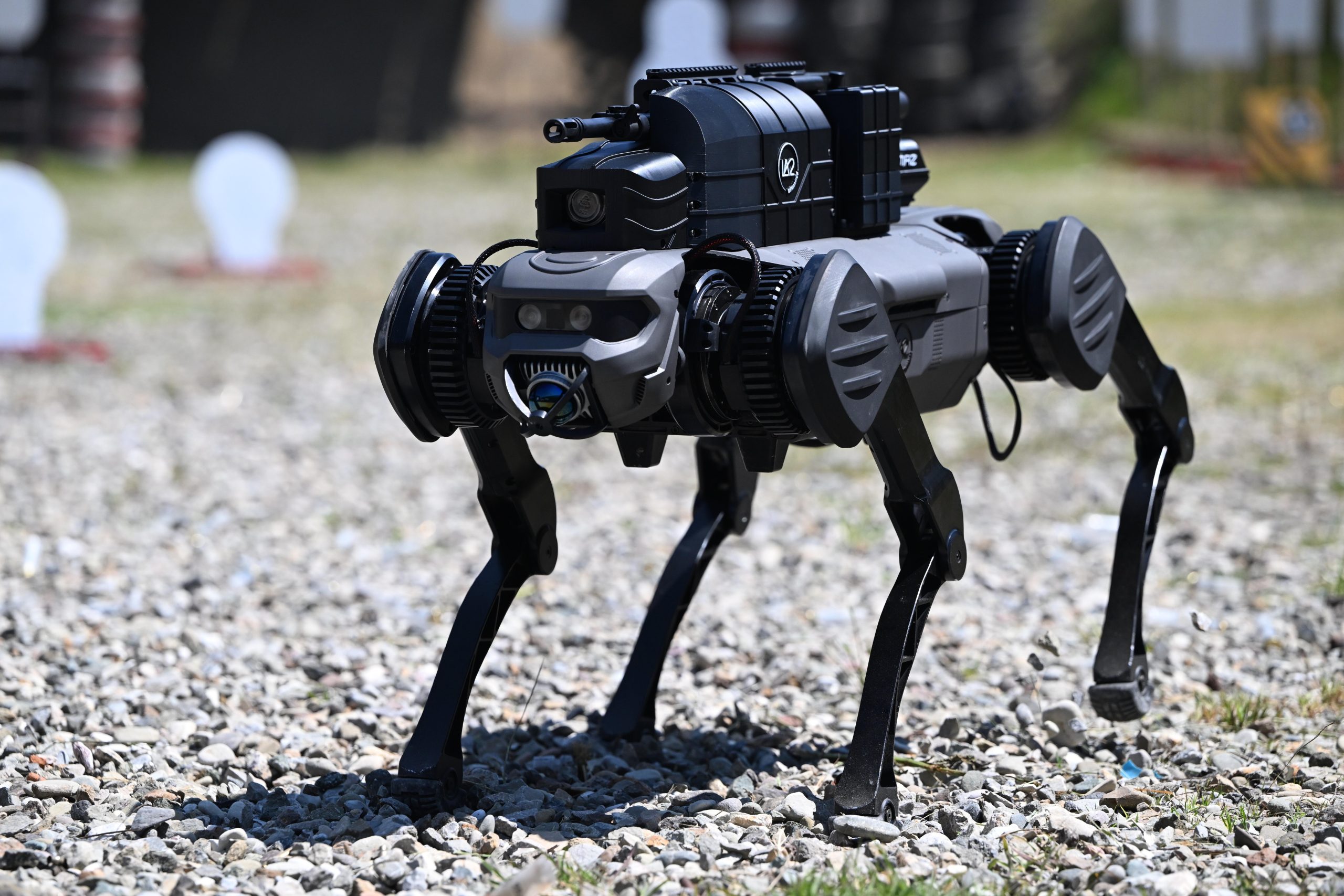
The ethical boundaries of artificial intelligence in warfare are being redrawn, sparking significant debate and leading to major government contract disputes. The U.S. Department of Defense (DOD) has been actively pushing AI developers to relax restrictions on how their technologies can be deployed in conflict zones, particularly concerning the level of human oversight required for autonomous weapons. This push has created a stark divide among leading AI firms, with some prioritizing ethical guardrails over lucrative government deals.
The “Minimal Refusal Rate” Imperative
At the heart of the recent controversy lies the Pentagon’s explicit requirement for AI models that exhibit “minimal refusal rates.” This directive, revealed through new reporting, signifies a clear intent from the DOD to acquire AI systems less likely to question or reject commands, even in potentially ethically ambiguous situations. While the specific details of negotiations are still emerging, it’s understood that companies adhering to stricter ethical guidelines, which might include built-in refusal mechanisms for certain actions, are facing significant pressure. Anthropic, a prominent AI company known for its focus on AI safety, reportedly lost a substantial government contract for refusing to compromise on its ethical standards regarding military applications.
OpenAI’s Strategic Pivot Amidst Ethical Dilemmas
In contrast to Anthropic’s stance, OpenAI appears to have embraced the Pentagon’s more flexible approach. The tech giant reportedly stepped in to fill the void left by Anthropic, agreeing to provide AI models designed for national security, characterized by their low refusal rates. This decision highlights the complex landscape where cutting-edge AI development intersects with national security interests. The implications of deploying AI systems that are programmed to rarely refuse orders in a military context are profound, raising critical questions about accountability, human control, and the potential for unintended consequences on the battlefield. This strategic alignment suggests a willingness by OpenAI to navigate the ethical grey areas inherent in military AI, potentially shaping the future of autonomous warfare.
The Broader Implications for AI and Governance
The current standoff underscores a fundamental tension between the rapid advancement of AI capabilities and the imperative to establish robust ethical frameworks. As AI systems become increasingly sophisticated and capable of operating with greater autonomy, the question of who holds the ultimate authority—and who is responsible when things go wrong—becomes paramount. The Pentagon’s pursuit of “no refusal” AI suggests a prioritization of operational efficiency and military advantage over the potential for AI to act as a moral or ethical check. This development demands a broader societal conversation about the acceptable limits of AI in warfare and the necessary governance structures to ensure human values remain at the forefront of technological deployment, even in the most challenging environments. The decisions made today by both AI developers and government entities will have far-reaching consequences for the future of conflict and the ethical trajectory of artificial intelligence.
Based on materials: Vox



