
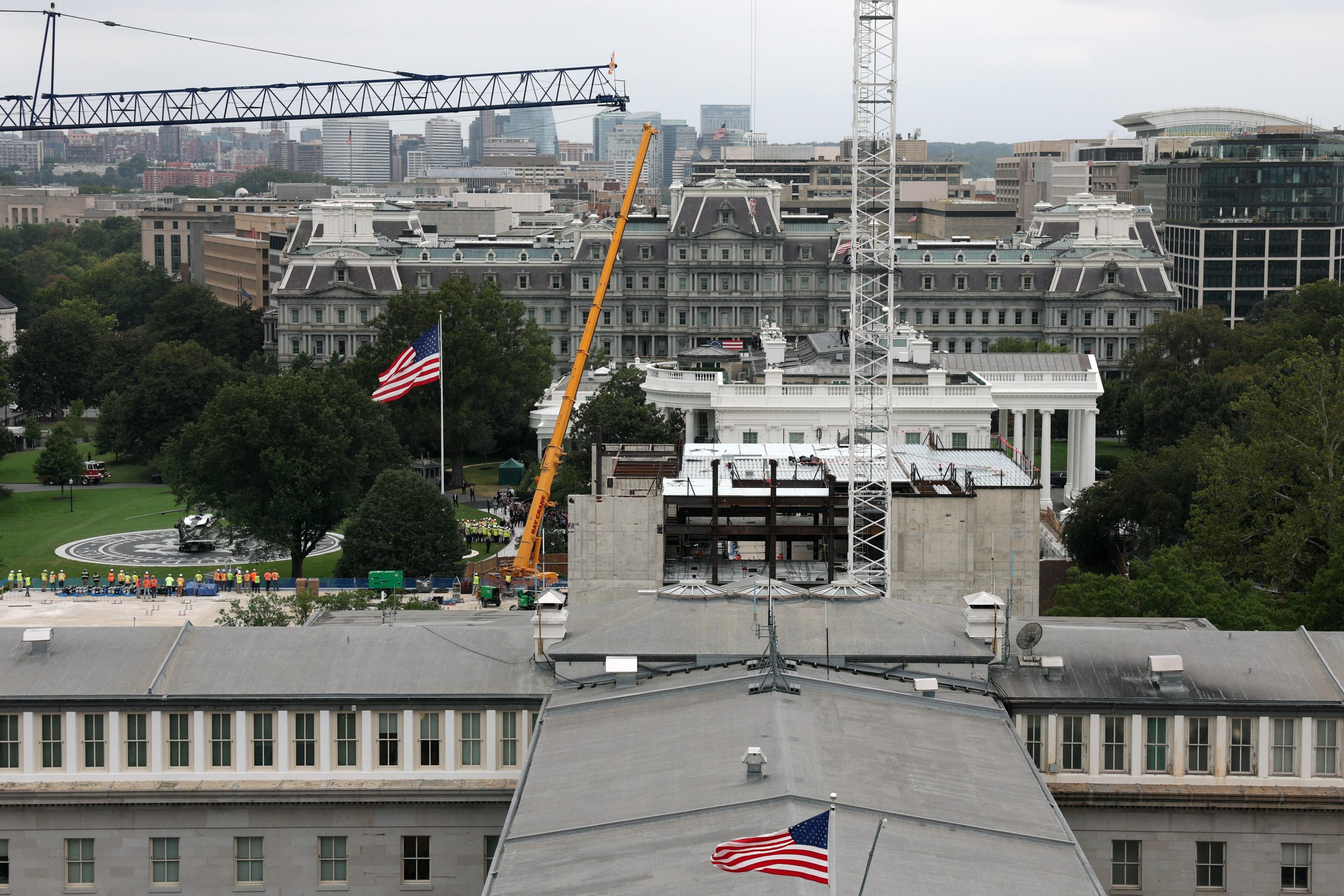
President Donald Trump’s tenure in office has been marked by a distinctive drive to leave his physical imprint on Washington D.C. Beyond policy initiatives, a significant portion of his legacy-building efforts appear to be centered on reshaping the nation’s capital itself. These ambitious renovation and construction projects, often grand in scale, raise questions about the motivations and long-term implications of such a focused architectural agenda.
Architecting a Presidential Mark
Since returning to office, Trump has pursued a series of visible projects aimed at altering the landscape of Washington. Notably, the East Wing of the White House was demolished to make way for a substantial new ballroom. Other significant undertakings include the renovation of the Reflecting Pool, efforts to regild statues near the National Mall, and the repaving of the White House Rose Garden. The Oval Office itself reportedly received a gilded overhaul, reflecting a penchant for opulent design. These interventions, while physically altering iconic spaces, differ from traditional legislative legacies, suggesting a focus on tangible, visible achievements.
Beyond the Beltway: Grand Designs and Lingering Ambitions
Trump’s architectural aspirations extend beyond the immediate confines of the White House. Plans have been floated for a monumental 250-foot triumphal arch situated in a traffic circle between the Lincoln Memorial and Arlington National Cemetery. This ambitious proposal, which would dramatically alter the D.C. skyline and memorial landscape, underscores a broader vision for a capital city that mirrors a particular aesthetic and presidential grandeur. The sheer scale and visibility of these projects suggest a desire to create enduring symbols of his presidency, etched into the very fabric of the nation’s capital.
Psychological Underpinnings of a Renovator-in-Chief
The intense focus on physical renovation and construction can be interpreted through various psychological lenses. For some, it may represent a desire to assert control and leave a tangible, permanent mark on history, a stark contrast to the often ephemeral nature of political careers. The grandeur and opulence associated with some of these projects could also be seen as a reflection of personal taste or a deliberate attempt to project an image of strength and power. Furthermore, in a political landscape often characterized by division and debate, these visible, material changes offer a sense of concrete accomplishment, a physical manifestation of a presidency that can be seen and experienced. The long-term impact of these alterations, both aesthetically and historically, will undoubtedly be a subject of ongoing discussion and analysis.
Based on materials: Vox



