
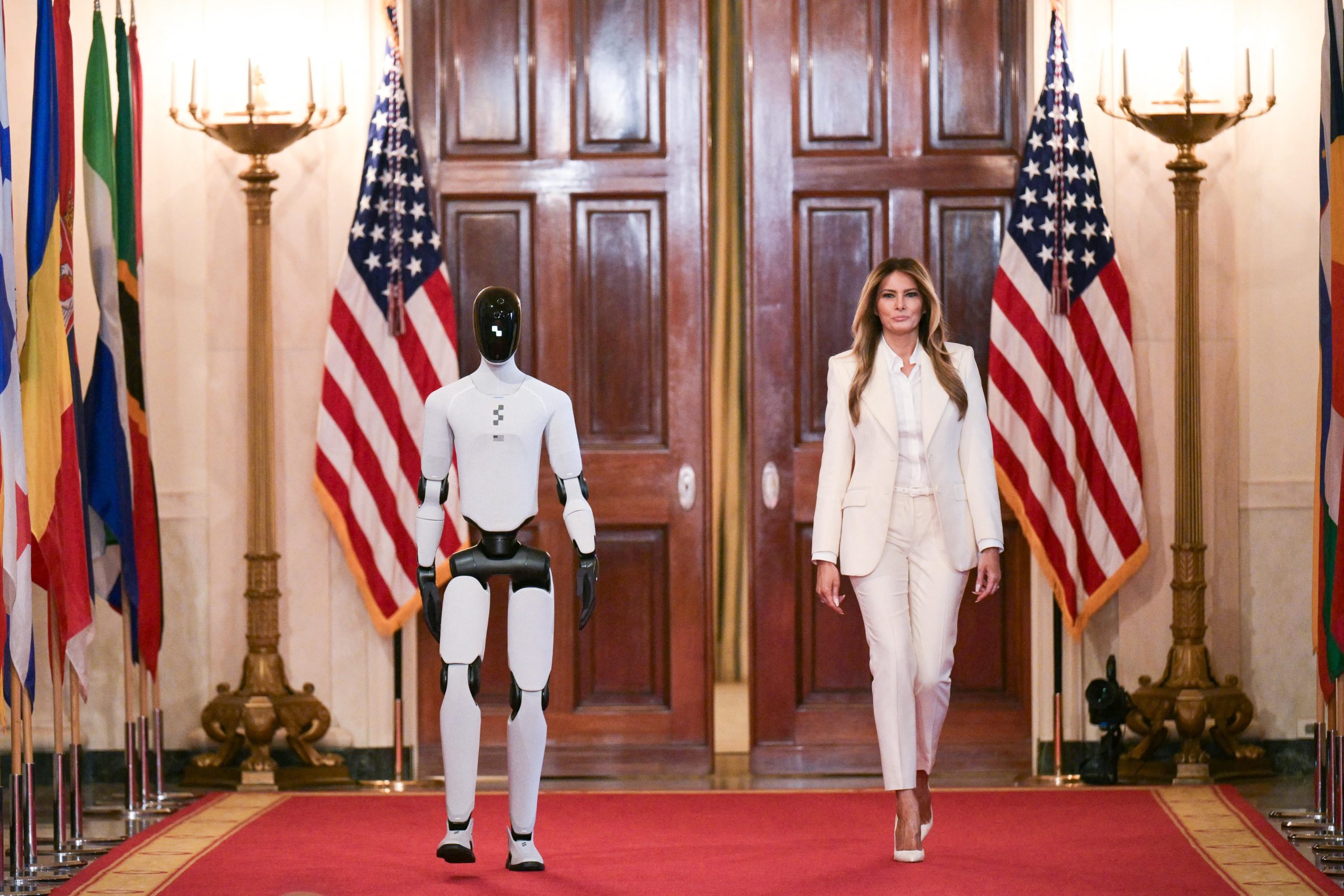
Six months after a vision of AI-powered education was showcased at the White House, a stark reality is emerging: conservative states are largely steering clear of integrating artificial intelligence into their K-12 classrooms. The ambitious proposal, championed by then-First Lady Melania Trump, envisioned a future where AI could deliver personalized instruction, with a hypothetical humanoid educator named “Plato” offering instantaneous access to vast stores of knowledge.
This optimistic outlook contrasted sharply with the current educational landscape in many Republican-led states. While the Trump administration actively promoted technological advancements in education, the practical implementation of AI tools has faced significant headwinds in these regions. The original vision, presented as a transformative leap forward, now appears to be a concept that is not resonating with the educational priorities or concerns of many state-level policymakers in the conservative bloc.
The “Plato” Vision Meets Resistance
The initiative gained traction following a White House education summit where a sophisticated AI robot demonstrated personalized learning capabilities. Melania Trump painted a picture of a future where AI tutors could revolutionize how children learn, making classical studies and the entirety of human knowledge accessible from home. This was further exemplified by a 10-year-old guest at the State of the Union from Alpha School, a private network already utilizing AI software for core subjects. At Alpha School, students dedicate two hours daily to AI-driven reading and math instruction, with the remaining time spent on workshops and projects guided by adults referred to as “guides.”
This model, which emphasizes a blended approach with AI handling foundational learning and human educators facilitating project-based work, was presented as a potential blueprint. However, the enthusiasm from the highest levels of government has not translated into widespread adoption in states that often align with conservative educational philosophies. The very notion of AI as a primary instructional tool seems to be at odds with prevailing pedagogical debates and concerns about the role of technology in shaping young minds.
Deep-Seated Skepticism and Alternative Priorities
The rejection of AI in schools by red states stems from a confluence of factors, including pedagogical concerns, distrust of large tech companies, and a prioritization of traditional educational methods. Many conservative educational leaders and parents express reservations about the potential for AI to depersonalize learning, erode critical thinking skills, or introduce biases. There’s also a deep-seated skepticism regarding the data privacy implications of entrusting student information to AI platforms, many of which are developed by large technology corporations.
Furthermore, states that have been hesitant to embrace AI in education often have different priorities. Funding may be directed towards teacher recruitment and retention, curriculum development rooted in traditional values, or addressing existing infrastructure challenges. The allure of cutting-edge technology, while present, doesn’t always outweigh these more immediate and tangible concerns. The “Plato” vision, while technologically impressive, has not yet surmounted the cultural and practical barriers to widespread adoption in these specific educational environments.
The Road Ahead for AI in Education
The divergence in AI adoption between different states highlights the complex and often politicized nature of educational reform. While the potential benefits of AI in education are undeniable, including personalized learning paths and increased efficiency, the path forward requires careful consideration of the diverse values and priorities across the nation. The initial push for AI in schools, as exemplified by the Trump administration’s initiative, has revealed a significant gap between technological aspirations and the on-the-ground realities of educational implementation, particularly in states with more conservative leanings. The future of AI in American education will likely be shaped by ongoing debates about its efficacy, ethical implications, and alignment with broader societal values.
Based on materials: Vox



