
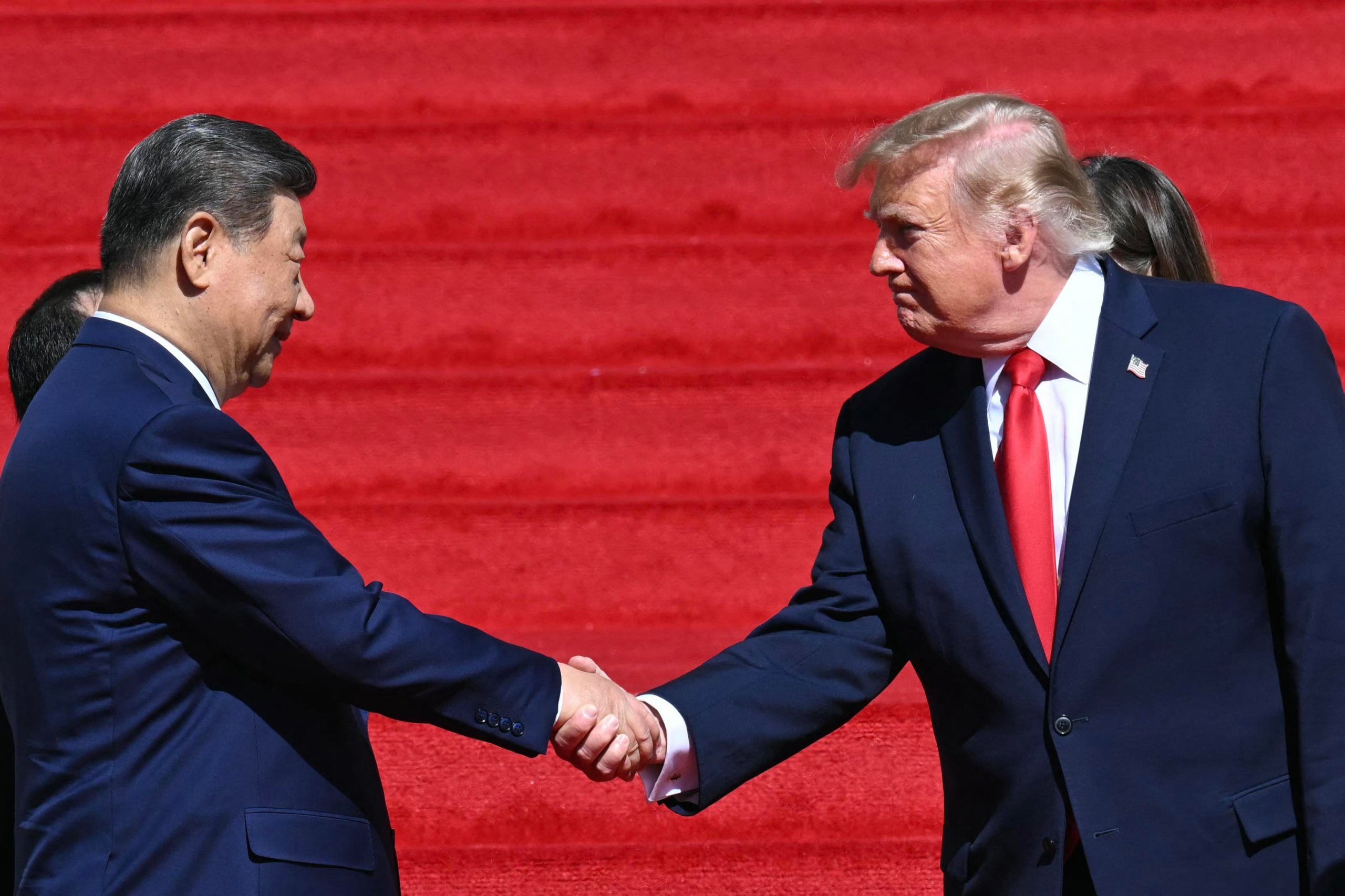
The long-simmering trade war between the United States and China has seen a significant de-escalation, with both nations announcing a suspension of tariffs on billions of dollars worth of goods. This move offers a glimmer of hope for consumers, particularly those looking for holiday bargains, though the immediate impact on this year’s festive shopping season remains uncertain.
A Holiday Truce with a Catch
In a surprising development following Chinese President Xi Jinping’s recent three-day visit to Washington D.C., the US and China have agreed to suspend tariffs on approximately $60 billion worth of products. This includes many items typically associated with holiday shopping, such as Christmas ornaments, toys, and other popular consumer goods. While this tariff rollback signifies a genuine move towards easing trade tensions, the timing may prove to be a critical factor for retailers. Due to the extended lead times required for shipping goods destined for the winter holidays, the tariff reductions might arrive too late to significantly alter this year’s pricing. Consumers may need to wait until the following year for the full economic benefits to materialize, barring any renewed trade disputes.
De-escalation Amidst Shifting Dynamics
The tariff suspension is a clear indication of a continued de-escalation in the broader trade conflict that has characterized US-China relations in recent years. This development comes as a welcome change from the tit-for-tat tariff impositions that have roiled global markets and impacted supply chains. For businesses, particularly those reliant on Chinese manufacturing or export markets, this truce offers a much-needed reprieve from escalating costs and uncertainty. The announcement suggests a potential recalibration of diplomatic and economic strategies, moving away from aggressive trade tactics towards a more cooperative, albeit still complex, relationship. Analysts will be closely watching to see if this de-escalation signals a broader shift in geopolitical and economic policy between the two global powers.
Looking Ahead: A Fragile Peace?
While the suspension of tariffs is a positive step, the inherent volatility of international trade relations means that this truce could be subject to future challenges. The history of trade negotiations between the US and China has been marked by periods of progress followed by renewed friction. The long-term implications of this tariff rollback will depend on a multitude of factors, including ongoing bilateral discussions, global economic conditions, and domestic political considerations in both countries. For now, however, the agreement provides a much-needed pause, offering a potential pathway towards more stable and predictable trade interactions. The holiday season may not see immediate price drops, but the prospect of a less contentious trade environment going forward offers a more enduring form of good news.
Based on materials: Vox



