
The clothes we wear, once a reflection of personal style, are increasingly curated by algorithms, according to fashion industry insiders. The reign of haute couture and influential editors has waned, giving way to the relentless churn of fast fashion, a phenomenon now supercharged by digital behemoths like Shein. This seismic shift in how we consume clothing is prompting a critical look at sustainable alternatives, with the humble thrift store emerging as a potential savior.
The Algorithmic Wardrobe
Amy Odell, a seasoned fashion commentator and host of the Back Row podcast, describes the current landscape as “instant fashion.” She explains that companies like Shein leverage sophisticated algorithms to meticulously track emerging trends and consumer interest. This data-driven approach allows them to rapidly design and produce minuscule batches – often just a few hundred items – of a vast array of styles. This “micro-batching” strategy minimizes risk and maximizes the speed at which new, trend-driven garments hit the market, often at incredibly low prices. This model, while commercially successful, raises questions about the true agency of the consumer and the environmental implications of such rapid consumption.
The Rise of “Instant Fashion”
The speed and sheer volume of new styles offered by fast fashion giants are unprecedented. Unlike traditional fashion cycles that revolved around seasonal collections, “instant fashion” operates on a near-daily basis. Trends identified online can be translated into physical products within days, creating a constant pressure to buy and discard. This cycle not only impacts our wallets but also contributes significantly to textile waste and carbon emissions. The allure of cheap, on-trend clothing, amplified by targeted online advertising and social media influencers, has created a culture of disposability in fashion, where garments are often worn only a few times before being replaced.
Thrifting: A Sustainable Style Solution?
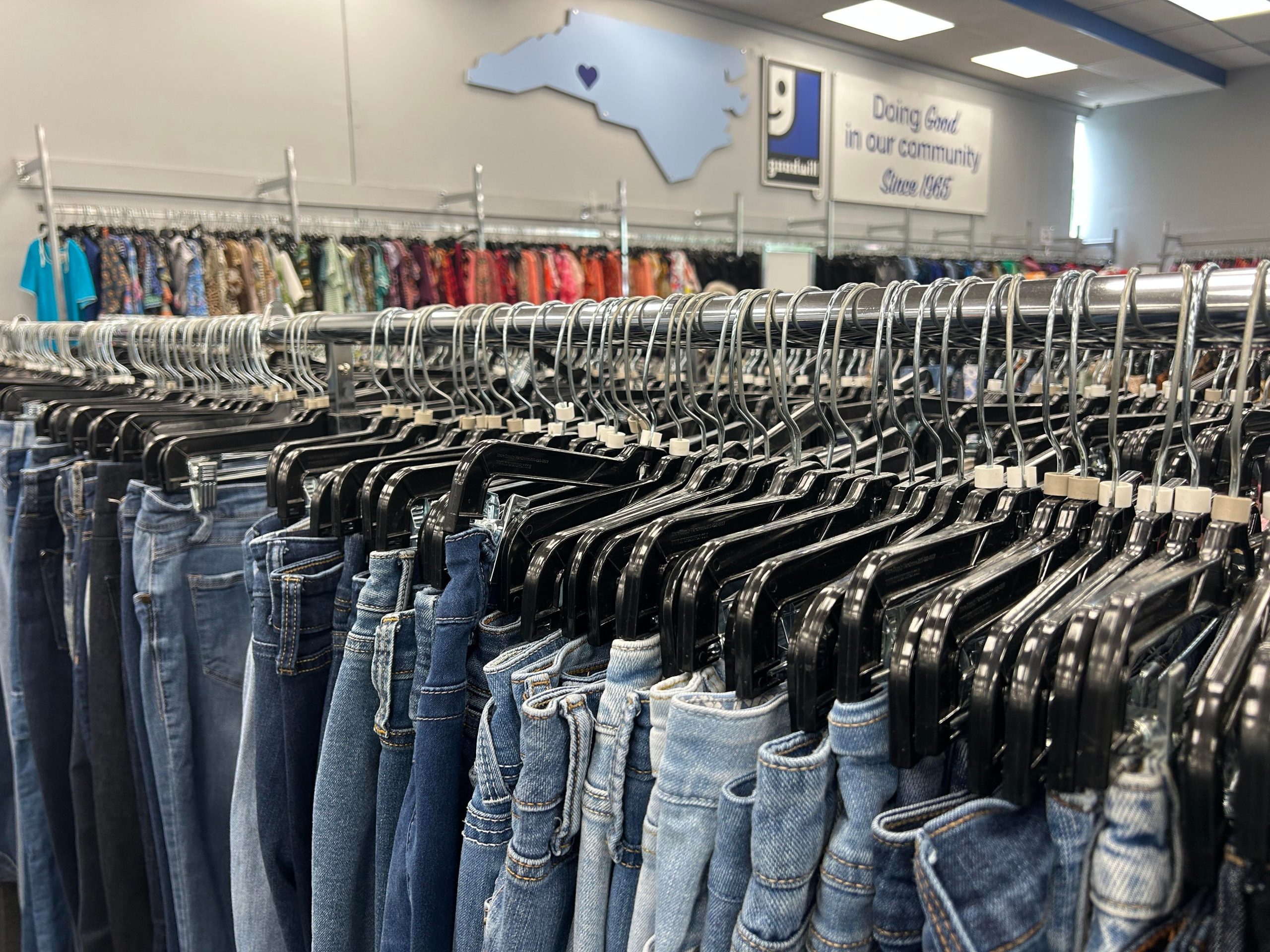
In response to these concerns, a growing movement is turning back to a more traditional, and arguably more sustainable, approach: thrift shopping. Secondhand stores, once associated with necessity, are now experiencing a resurgence as consumers seek both unique pieces and a way to mitigate the environmental damage of fast fashion. Thrifting offers a tangible antidote to the disposable nature of “instant fashion.” It encourages a slower, more thoughtful approach to acquiring clothing, promoting the reuse and longevity of garments. Furthermore, the thrill of the hunt for a unique find can often be more rewarding than blindly following algorithmically dictated trends. As the fashion industry grapples with its environmental footprint, the revival of thrift culture presents a compelling vision for a more conscious and stylish future.
The shift from designer-driven taste to algorithm-driven consumption is a defining characteristic of the modern fashion industry. While fast fashion offers accessibility and affordability, its environmental and ethical costs are becoming increasingly apparent. The growing popularity of thrift shopping suggests a desire for a more sustainable and personal approach to style, offering a potential path away from the pitfalls of “instant fashion” and towards a more mindful way of dressing.
Based on materials: Vox



