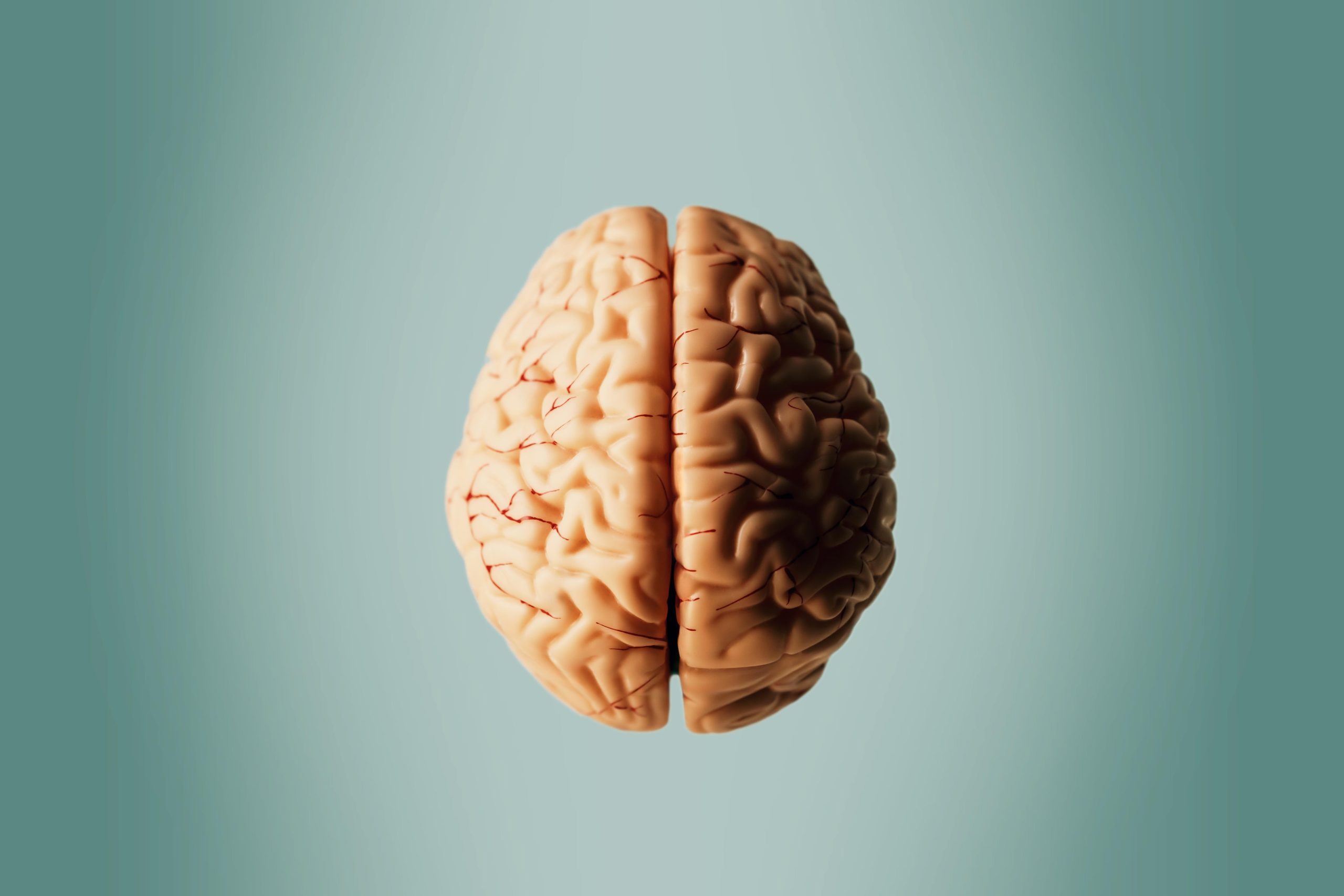
The tantalizing prospect of a cure for Alzheimer’s disease is once again on the horizon, fueled by astonishing video evidence of patients experiencing dramatic reversals of cognitive decline. However, as the scientific community grapples with these remarkable claims, a healthy dose of skepticism remains, particularly given the origin of the research and the increasing sophistication of artificial intelligence in manipulating visual media.
Experimental Procedure Sparks Hope and Scrutiny
At the heart of this developing story is an experimental surgery being investigated by scientists in the United States and Europe. The procedure, reportedly developed and trialed in China, aims to combat Alzheimer’s by creating a novel connection between the body’s lymphatic system and the brain’s vasculature. Early reports, bolstered by compelling video footage, suggest that patients undergoing this intervention have shown significant improvements, with some appearing to regain lucidity and cognitive function after years of severe dementia. One widely circulated video depicts a senior Chinese woman transitioning from a state of profound confusion to one of clear-eyed engagement, even participating in household tasks. Such transformations, if verifiable, represent a monumental leap in the fight against a devastating neurological condition that affects millions worldwide.
Navigating the Landscape of Scientific Claims
However, the extraordinary nature of these claims necessitates rigorous examination. The videos, while visually striking, emerge from an era where AI-generated content can be indistinguishable from reality, raising questions about their authenticity. Furthermore, the research originates from China, a nation that has, in recent years, faced scrutiny for scientific endeavors that have yielded extraordinary but ultimately questionable results. This historical context prompts researchers and the public alike to approach the current findings with caution. Scientists are actively working to understand the mechanisms behind this experimental surgery and to independently verify the reported patient outcomes. The potential implications are immense, but the scientific process demands thorough validation before any definitive conclusions can be drawn.
The Path Forward: Verification and Potential Treatments
The international scientific community is now engaged in a critical phase of verifying these early findings. Researchers are focused on understanding precisely how the proposed lymphatic-brain connection might impact the progression of Alzheimer’s disease. This involves delving into the complex biological pathways and meticulously analyzing patient data from controlled studies. While the allure of a “cure” is powerful, the responsible pursuit of scientific advancement requires patience and a commitment to robust evidence. If this experimental surgery proves to be safe and effective, it could represent a paradigm shift in Alzheimer’s treatment, offering a beacon of hope to patients and their families who have long awaited a breakthrough. The coming months and years will be crucial in determining whether these astonishing videos herald a genuine revolution in neurodegenerative disease care or if they represent another chapter in the complex and often challenging journey to understand and conquer Alzheimer’s.
SOURCE INFORMATION:
TITLE: Is this the cure for Alzheimer’s?
DESCRIPTION: The videos are astonishing. In one scene, a senior Chinese woman appears lost in the wilderness of dementia, unable to answer basic questions; in the next, she seems to be lucidly chatting and shucking beans for dinner. By all appearances, years of cognitive decline had been rapidly reversed after the patient underwent an experimental new […]
CONTENT: Scientists in the US and Europe are exploring whether an experimental surgery can treat Alzheimer’s disease. | Fiordaliso/Getty Images The videos are astonishing. In one scene, a senior Chinese woman appears lost in the wilderness of dementia, unable to answer basic questions; in the next, she seems to be lucidly chatting and shucking beans for dinner. By all appearances, years of cognitive decline had been rapidly reversed after the patient underwent an experimental new surgery. The only problem is: No one is sure if it’s real. It’s difficult to take any video at face value in the age of AI, and this experimental procedure happened in China, a country with a recent history of controversial science touting extraordinary but questionable claims. In the past few years, researchers there have published several papers reporting promising results from a procedure that purports to attack Alzheimer’s disease in a peculiar way: by connecting vessels from the lymph nodes in the ne
SOURCE: Vox
Based on materials: Vox