
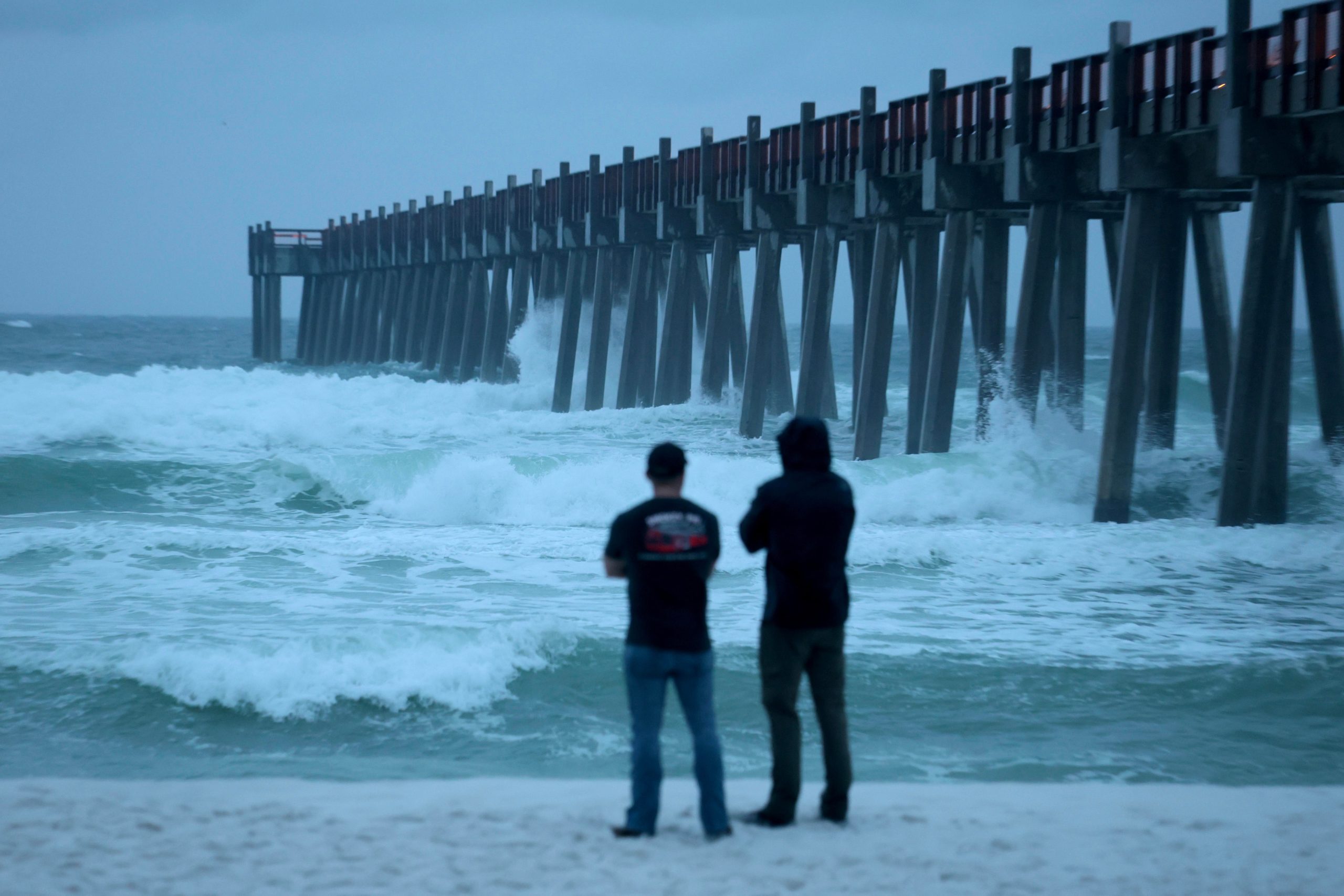
The first significant hurricane of the fall season is poised to make landfall, signaling a potentially dramatic end to an unusually quiet period for the United States. As Hurricane Isaias strengthens into a Category 3 storm with sustained winds of 120 miles per hour, its approach to the Gulf Coast—specifically the Florida Panhandle, Alabama, and Mississippi—is a stark reminder of the nation’s vulnerability to powerful tropical cyclones. Forecasters warn of substantial rainfall, with accumulations expected to reach between 8 and 12 inches in the storm’s path, posing a significant threat to lives and property for millions of Americans.
A Long-Awaited Storm
The timing of Hurricane Isaias is particularly noteworthy. Its development into a major hurricane so late in the season marks the latest onset of such activity in recent memory. This delayed arrival has, perhaps, lulled some into a false sense of security. The extended period without a major hurricane strike on the U.S. mainland has been a statistical anomaly, a streak of good fortune that meteorologists have warned could not last indefinitely. The storm’s current trajectory and intensity underscore the urgency for residents in its path to heed evacuation orders and prepare for severe weather conditions.
The End of an Era of Calm?
For years, the United States has experienced a remarkable respite from major hurricane impacts. Last year, for instance, no hurricanes made landfall on the U.S. mainland at all. This period of relative calm, while welcome, has coincided with a warming global climate, a factor that scientists believe is increasing the intensity and frequency of extreme weather events worldwide. While the relationship between climate change and individual hurricane events is complex, the overall trend points towards more powerful storms. The arrival of Isaias, therefore, could be interpreted not just as a meteorological event, but as a potential harbinger of a more active and dangerous hurricane season in the future, forcing a reevaluation of preparedness strategies and infrastructure resilience.
Looking Ahead: Preparedness is Key
The imminent threat of Hurricane Isaias serves as a critical wake-up call. It underscores the ongoing need for robust hurricane preparedness plans at both individual and governmental levels. Communities along the coast must remain vigilant, staying informed about weather updates and ensuring they have adequate supplies and evacuation plans in place. For policymakers and urban planners, this event highlights the imperative to invest in climate-resilient infrastructure and to continue supporting scientific research into hurricane prediction and mitigation. The era of “good luck” may be over, but with proactive measures and a commitment to understanding the evolving climate, the nation can better face the storms that lie ahead.
Based on materials: Vox



