
The Trump administration has announced plans for a highly unusual and potentially unprecedented public execution, which would include a livestream of the event. Nidal Hasan, a former Army major convicted of a 2009 mass shooting at Fort Hood, Texas, is slated for execution, with officials indicating the event will be made accessible to the public.
This proposed execution marks a stark departure from modern American judicial practices. Public executions in the United States are exceedingly rare, with the last widely reported instance occurring nearly a century ago in Kentucky. The decision to not only conduct a public execution but also to broadcast it live raises significant ethical and legal questions, and has drawn immediate attention from civil liberties advocates and legal scholars.
A Controversial Announcement
The announcement came from the Pentagon on Thursday, detailing the intent to carry out the execution of Nidal Hasan. Hasan was found guilty of killing 13 people and injuring more than 30 others in the 2009 attack. While his conviction and death sentence have long been established, the method and public nature of the execution are what set this case apart.
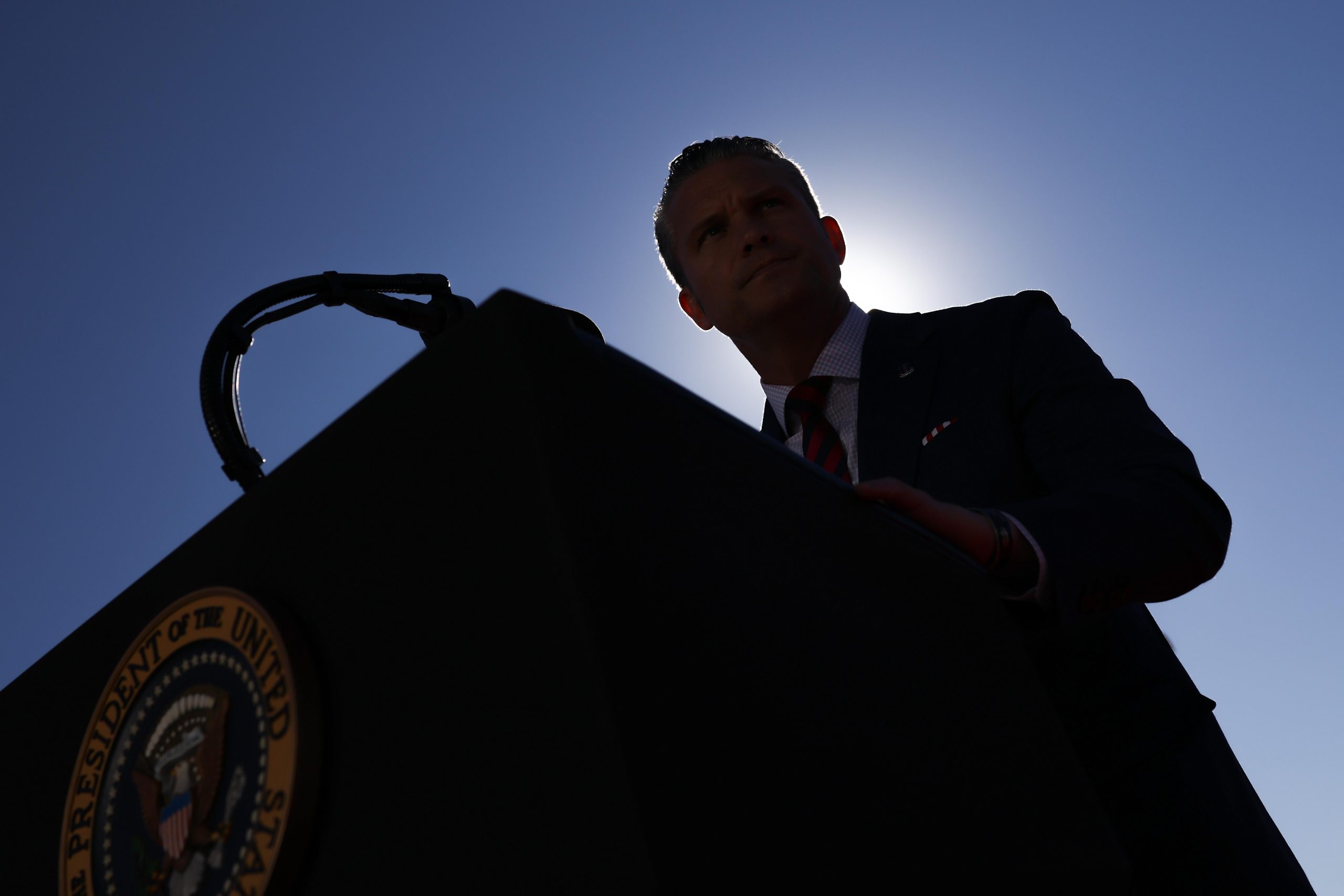
Defense Secretary Pete Hegseth has reportedly championed the idea, with sources quoting him as saying, “we’ll make sure that people are able to watch it.” This sentiment suggests a deliberate effort to make the execution a public spectacle, a move that has already sparked debate about the role of punishment and its display in contemporary society. The justification behind such a public and broadcasted execution remains unclear, but it is likely to be framed as a means of deterrence or to serve as a definitive closure for the victims’ families and the nation.
Historical Context and Societal Implications
The prospect of a livestreamed execution revives discussions about capital punishment’s place in the 21st century. Historically, public executions served as a harsh deterrent and a demonstration of state power. However, as societies have evolved, so too have the methods and visibility of punishment, moving towards more private and controlled environments for executions.
The planned public livestreaming of Hasan’s execution could have profound societal implications. It raises concerns about the desensitization of violence, the potential for morbid fascination, and the impact on public discourse surrounding justice and retribution. Civil rights organizations are expected to scrutinize the legality and ethical ramifications of such an announcement, potentially leading to legal challenges. This move by the Trump administration could set a new, and for many, disturbing, precedent for the future of capital punishment in the United States.
Conclusion
The Trump administration’s intention to conduct a public, livestreamed execution of Nidal Hasan is a development that commands significant attention. It challenges established norms of judicial proceedings and raises profound questions about punishment, public morality, and the role of media in displaying state-sanctioned violence. The coming days and weeks will likely see intense debate and scrutiny surrounding this unprecedented plan, with potential legal battles and significant public reaction anticipated.
Based on materials: Vox



