
The sweet taste of a popular candy might be leaving a bitter aftertaste for pet owners facing escalating veterinary costs. Recent analysis suggests a potential link between the manufacturing practices of Mars, Inc., the confectionery giant behind M&M’s, Skittles, and other beloved treats, and the growing financial burden on pet parents nationwide. This connection, though indirect, highlights a complex interplay between global food production and animal welfare.
The Hidden Cost of Pet Parenthood
For many Americans, pets are more than just animals; they are cherished family members. This deep bond, however, comes with significant financial responsibility, particularly when it comes to healthcare. Veterinary bills have been steadily climbing, leaving many pet owners struggling to afford essential treatments and medications. While factors like advanced medical technologies and the increasing humanization of pets contribute to these costs, new questions are emerging about the role of the broader food industry.
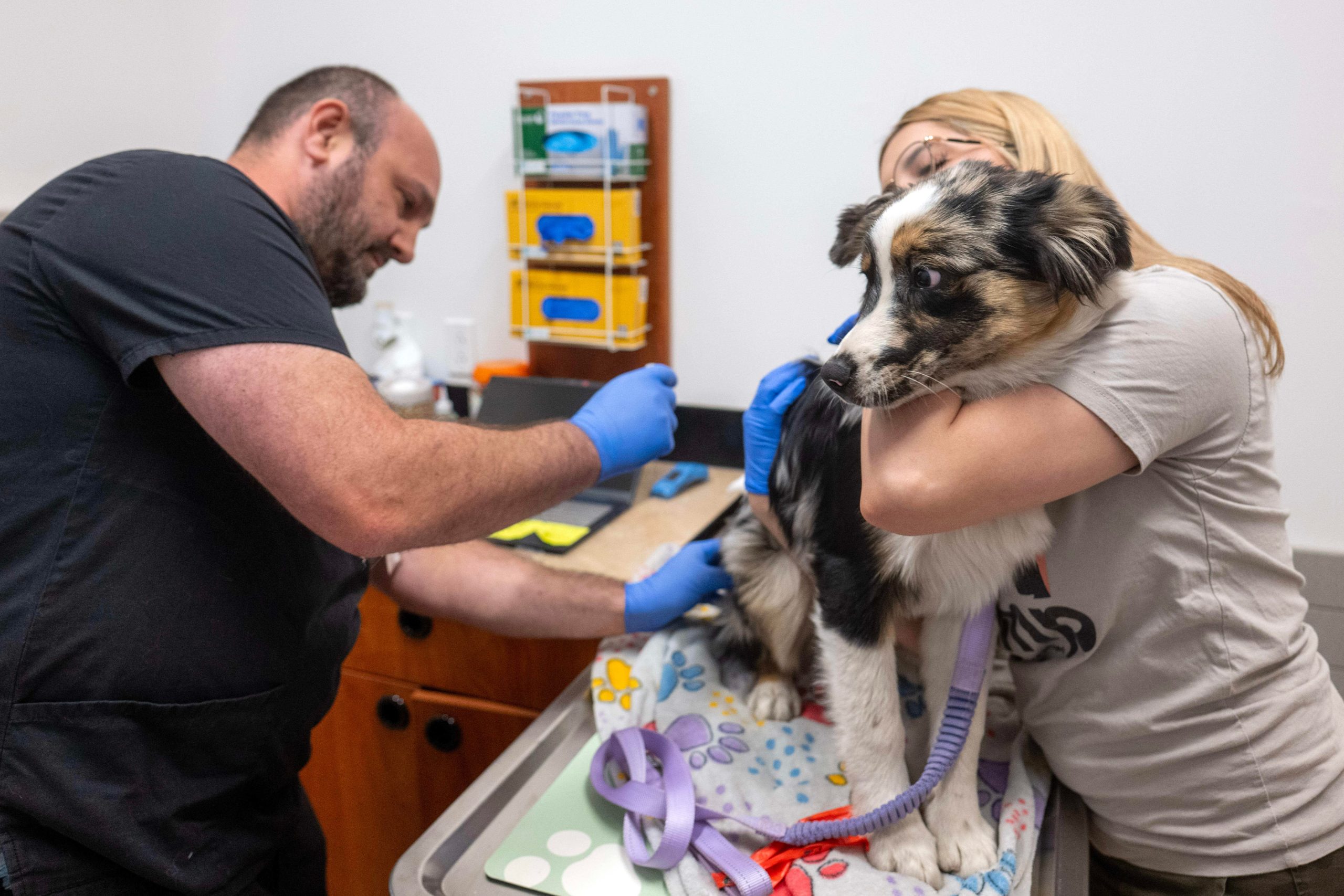
The focus has turned to Mars, Inc., a company with a vast portfolio that extends beyond candy to include a significant presence in the pet food and veterinary services sectors through its subsidiary, Mars Veterinary Health. This subsidiary operates a large network of veterinary clinics, including the Banfield Pet Hospital chain. Critics argue that the company’s integrated business model, encompassing both consumer-facing food products and pet healthcare services, could create incentives that lead to higher costs for pet owners.
A Question of Corporate Incentives
The core of the concern lies in the potential for cross-subsidization and profit maximization across Mars’ diverse operations. If Mars, Inc. profits from the sale of its consumer products, and simultaneously owns a substantial portion of the pet healthcare market, there’s an argument to be made that the company may benefit from a system where pet owners are compelled to spend more on veterinary services. This could manifest in various ways, from the pricing of services at its clinics to the recommended treatments and the sale of pet medications and specialized diets.
While Mars, Inc. has not directly addressed these specific accusations regarding its candy division’s impact on vet bills, the company has previously stated its commitment to improving the health and well-being of pets through its veterinary services. However, the sheer scale of Mars’ influence across both the human food and animal health industries warrants closer examination. As pet ownership continues to rise, so too does the need for transparency and accountability in the business practices that affect the financial health of millions of pet-owning households.
Looking Ahead: Consumer Awareness and Industry Scrutiny
The increasing cost of pet care is a multifaceted issue with no single culprit. However, the potential influence of large, diversified corporations like Mars, Inc. on the veterinary market adds another layer of complexity. For consumers, this situation underscores the importance of becoming informed about the businesses behind the products and services they use, both for themselves and their beloved pets. As the conversation around pet healthcare costs continues, it’s likely that greater scrutiny will be placed on how corporate structures and profit motives intersect with the well-being of our animal companions. Understanding these connections is crucial for navigating the ever-growing expenses of modern pet parenthood.
Based on materials: Vox



