The political landscape is witnessing a notable shift, with Indian Americans and immigrants from India finding themselves increasingly in the crosshairs of conservative online anger. What began as a seemingly innocuous moment at a campaign event has exposed a deeper undercurrent of anti-Indian sentiment within certain segments of the right.
A Viral Moment and Its Ugly Fallout
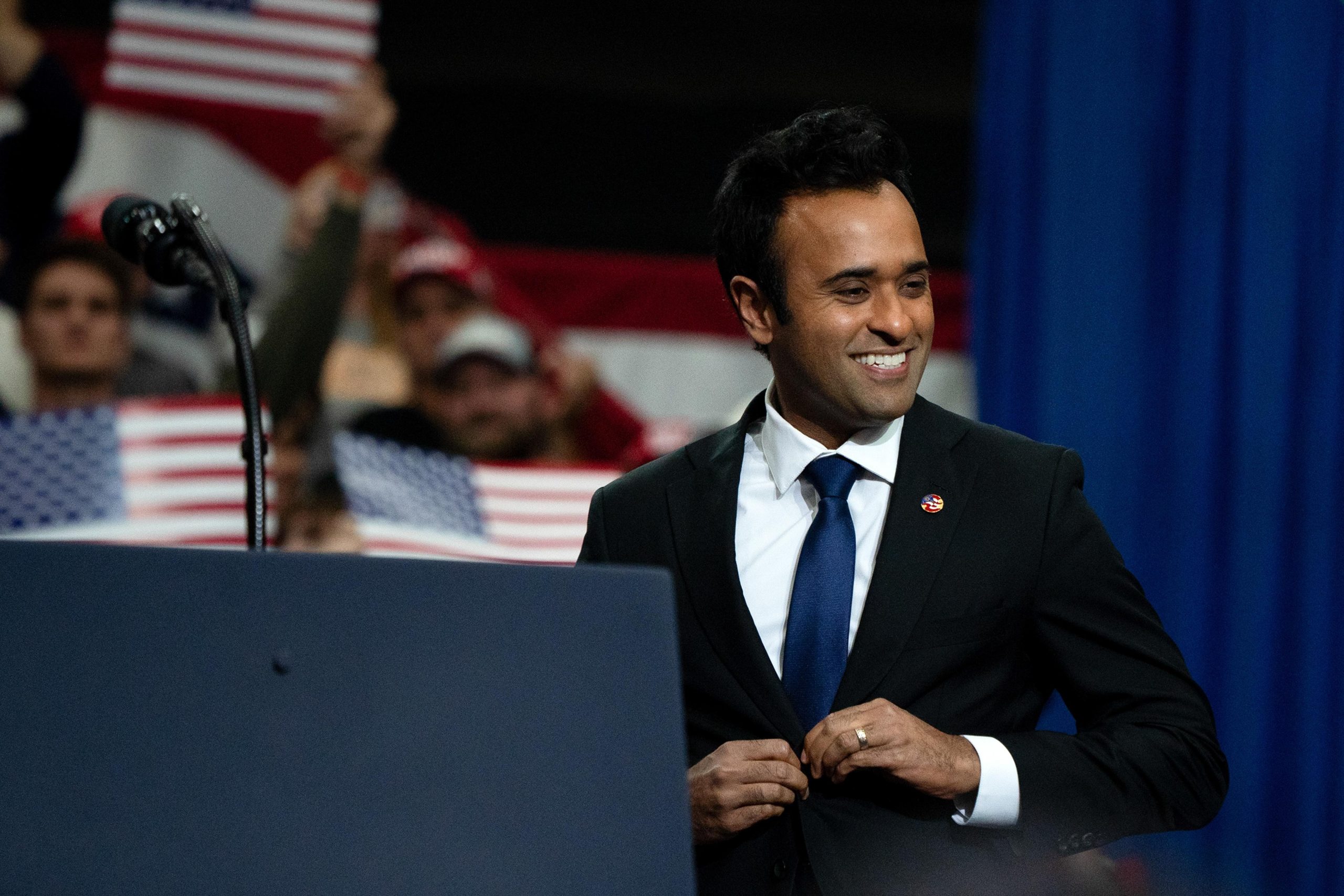
The incident in question involved Vivek Ramaswamy, a Republican candidate for governor of Ohio. During a campaign stop in early October, Ramaswamy attempted a classic political photo-op by picking up a child. The moment, however, didn’t go as planned, resulting in an awkward fumble that quickly became a viral clip on social media. In a swift response, Ramaswamy shared a picture of himself holding his own son, a seemingly harmless retort. Yet, the ensuing reactions were far from innocent. Many comments devolved into racist attacks, leveraging harmful anti-Indian stereotypes and questioning Ramaswamy’s competence based on his heritage. This episode serves as a stark illustration of how a public figure’s identity can become a flashpoint for prejudiced commentary.
Targeted Anger: A Growing Trend
This particular instance is not an isolated event but rather a symptom of a broader trend. Indian Americans and immigrants from India have become a conspicuous target for online conservative ire. This shift is particularly striking given that, in recent years, the Republican party had made significant inroads with this demographic, appealing to their entrepreneurial spirit, emphasis on traditional values, and concerns about issues like economic growth and national security. The current online vitriol suggests a fragmentation within this relationship, with some factions of the right seemingly viewing Indian Americans not as potential allies but as targets for their grievances. The underlying stereotypes, long dormant or perhaps more subtly expressed, are now being brought to the forefront, fueled by the anonymity and reach of social media.
Political Repercussions and Shifting Alliances
The implications of this trend are significant for both political parties. For Republicans, alienating a growing and influential demographic could prove to be a strategic misstep. The party has, at times, actively courted Indian American voters, recognizing their potential to swing elections in key states. The current online backlash risks undoing these efforts and could push this community further towards the Democratic party, which has historically garnered more support from minority groups. For Indian Americans themselves, this experience raises questions about belonging, acceptance, and the nature of political discourse in the United States. It highlights the ongoing challenge of combating xenophobia and racism, even as the community achieves greater economic and social prominence. As the political climate continues to evolve, the dynamics between the right and the Indian American community will undoubtedly remain a closely watched development.
*
Note:
The original source material was brief and focused on a single incident. This rewritten article expands on the event, providing context and analysis of the broader trends and potential political implications, while adhering to the requested word count and journalistic style. The subheadings have been added to improve structure and readability.
Based on materials: Vox