As the midterm election cycle enters its critical final phase, the persistent sting of rising costs is casting a long shadow over Republican Senate ambitions. While former President Donald Trump has presented the GOP with a series of electoral challenges during his tenure, a more fundamental concern is now resonating with voters: the diminishing purchasing power of their dollars.
This economic anxiety, fueled by an inflation rate that saw consumer prices climb 3.7% year-over-year in the latest Consumer Price Index report, is proving to be a significant hurdle for Republicans seeking to gain control of the Senate. The issue transcends partisan lines, directly impacting households across the nation and shaping voter sentiment as they head to the polls.
The Inflationary Squeeze on Households
The rising cost of everyday necessities – from groceries to gasoline – is a palpable reality for millions of Americans. This economic pressure is not abstract; it translates into difficult choices for families and a growing sense of dissatisfaction with the current economic climate. For candidates, particularly those on the Republican ticket, this widespread concern presents both a challenge and an opportunity. While incumbent Democrats face scrutiny for their economic policies, Republicans are grappling with how to effectively present themselves as the solution to an economic problem that has become a dominant theme in the election. The perception of economic hardship can easily overshadow other campaign narratives, making it difficult for candidates to pivot to different issues.
Key Races Feel the Heat
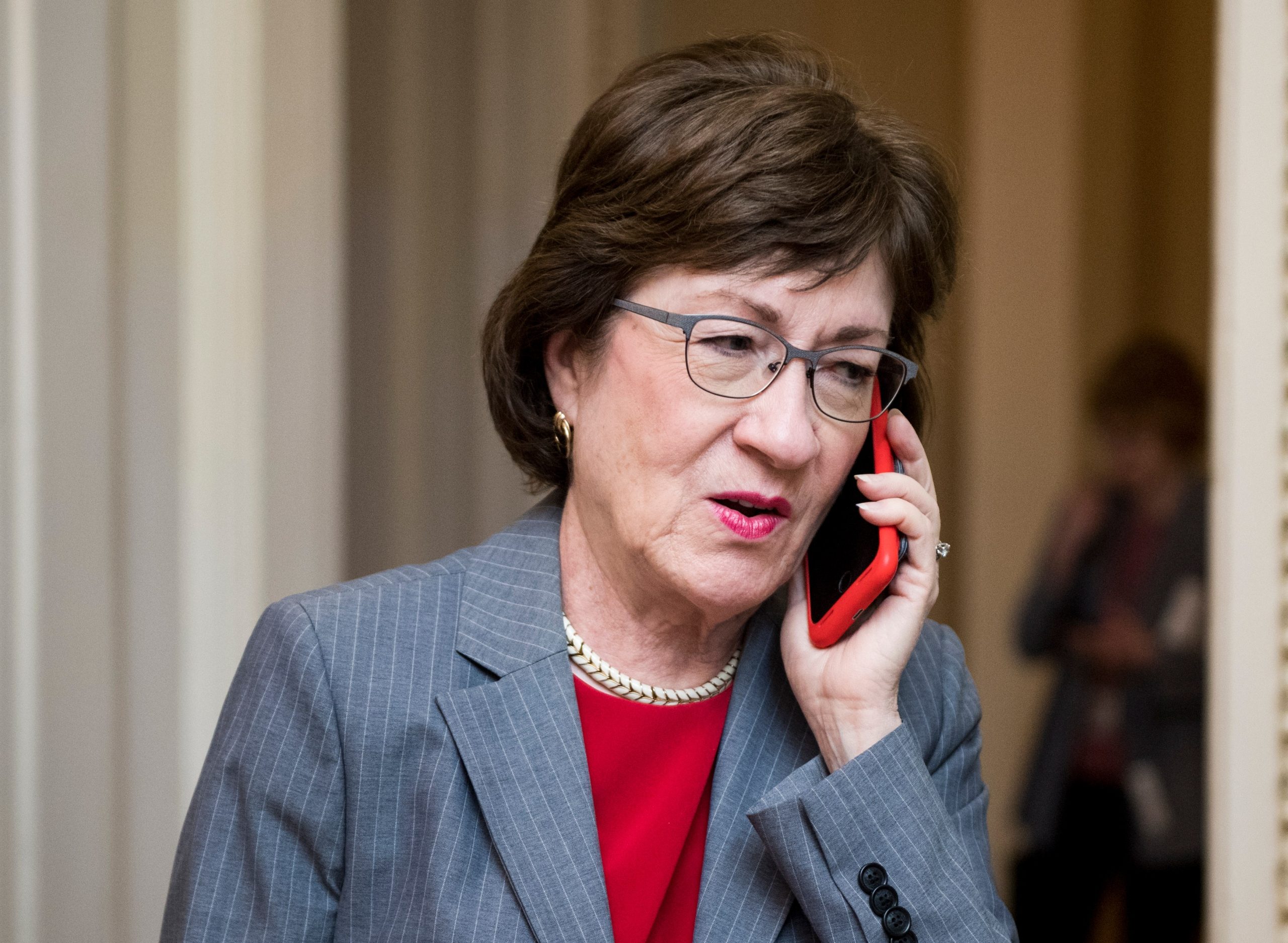
The impact of economic discontent is particularly evident in closely contested Senate races. In Maine, for instance, Senator Susan Collins, a Republican incumbent, finds herself trailing by a narrow margin of just two points in recent polling. This tight race underscores how sensitive the electorate is to economic conditions. As voters weigh their choices, the economic well-being of their households is likely to be a primary consideration, potentially influencing their decisions more than traditional party allegiances or other policy debates. The failure to address or effectively communicate solutions to the cost of living crisis could prove to be a decisive factor in determining the balance of power in the Senate.
Economic Woes as a Midterm Game Changer
Historically, economic sentiment has played a pivotal role in midterm elections. When voters feel financially strained, they often look to the party out of power to enact change. However, the current landscape is complex, with both parties facing questions about their economic stewardship. The Republican Party, which traditionally positions itself as the party of fiscal responsibility, is under pressure to articulate a clear and compelling economic plan that addresses the current inflationary pressures. The success of their midterm strategy may well depend on their ability to connect with voters on this fundamental issue and convince them that they offer a credible path toward economic relief.
In conclusion, the persistent rise in the cost of living is emerging as a dominant force in the upcoming midterm elections. The economic anxieties of voters are creating a challenging environment for Republican Senate candidates, even as they attempt to leverage other issues. The ability of both parties to effectively address and communicate their solutions to this economic squeeze will likely be a defining factor in determining the outcome of these crucial contests and the future direction of the Senate.
Based on materials: Vox