
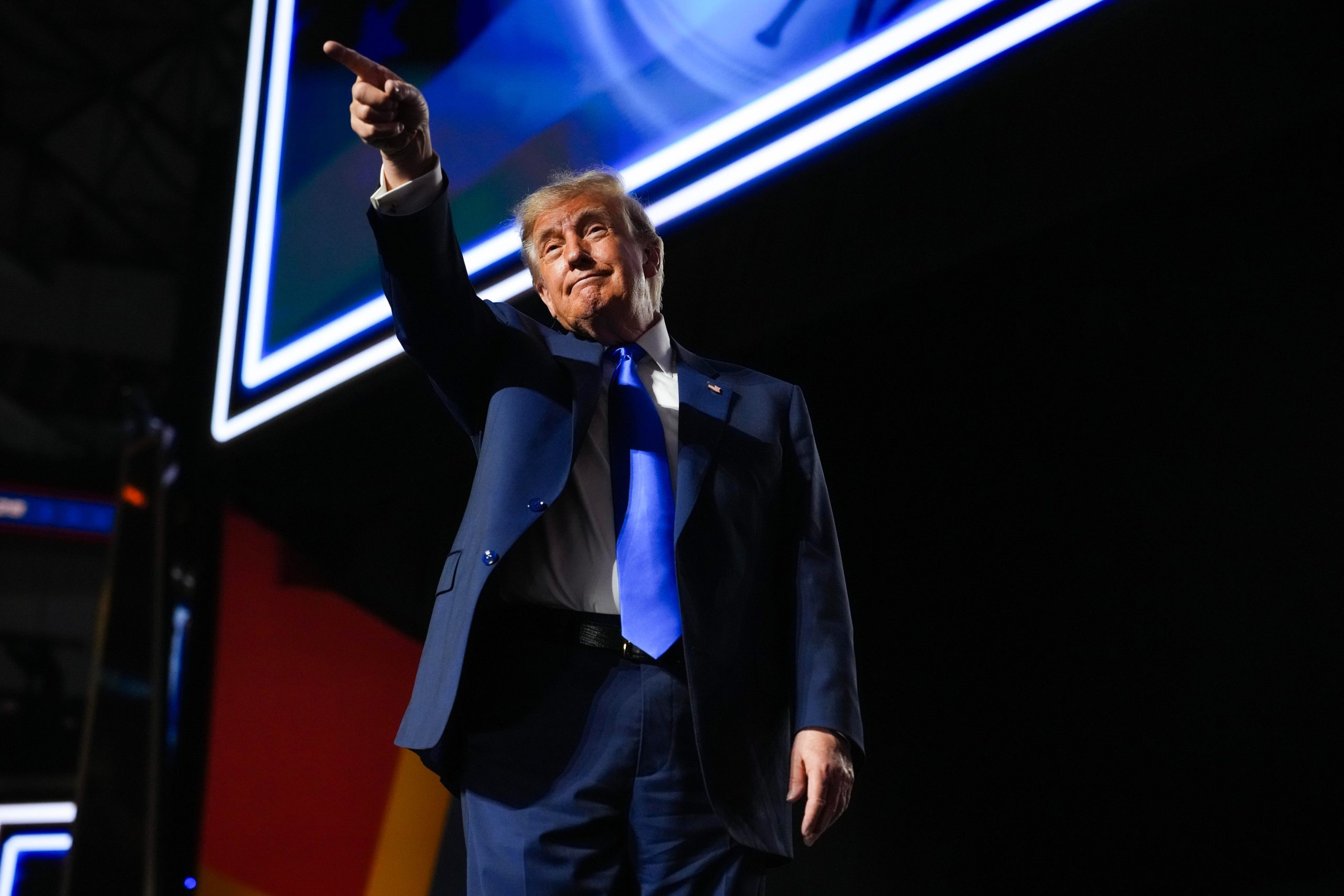
President Donald Trump’s growing support for the Credit Card Competition Act (CCCA) is sending ripples through Wall Street, with significant implications for how Americans earn and utilize their credit card rewards. While some financial institutions are painting a dire picture, the proposed legislation aims to fundamentally alter the economics of credit card transactions, potentially benefiting consumers in unexpected ways.
The Swipe Fee Battleground
At the heart of the matter is the “swipe fee” – the fee merchants pay to credit card companies and banks every time a customer uses a credit card for a purchase. These fees, often a source of contention for businesses, are seen by proponents of the CCCA as excessively high and contributing to increased prices for consumers. The Credit Card Competition Act, which has faced legislative hurdles, seeks to introduce more competition into the credit card network market, with the ultimate goal of reducing these swipe fees. The theory is that by forcing greater competition, these fees will naturally decline, and some of that savings could be passed on to consumers through lower prices at the checkout counter.
Trump’s Evolving Stance
While the CCCA has been discussed in Congress for some time, President Trump’s recent and increasingly vocal endorsement has brought the legislation to the forefront. His initial support, expressed in January, has now intensified, signaling a significant shift in the political landscape surrounding credit card regulations. This backing is particularly noteworthy given the traditional alignment of many financial institutions with Republican policies. However, Trump’s populist appeal and focus on what he frames as consumer protection and challenging established financial systems appear to be driving his current position.
Rewarding Rewards: What’s at Stake?
The concern from major banks and credit card issuers is that a reduction in swipe fees will directly impact the revenue streams that fund lucrative credit card rewards programs. For years, consumers have enjoyed a wide array of benefits, from airline miles and travel points to cashback and exclusive discounts, often funded by the existing swipe fee structure. Critics argue that if these fees are significantly lowered, the profitability of credit card operations will diminish, forcing issuers to scale back or even eliminate these popular reward offerings. This potential loss of benefits is what has Wall Street sounding alarms, suggesting that consumers could be trading tangible rewards for the more abstract promise of lower prices.
However, proponents of the CCCA counter that the current system is inefficient and that consumers are already indirectly paying for these rewards through higher prices driven by inflated swipe fees. They argue that a more competitive market will lead to a more equitable distribution of costs and benefits. The ultimate outcome of the Credit Card Competition Act remains to be seen, but it is clear that President Trump’s involvement has injected a new dynamic into a long-standing debate, with the future of credit card rewards hanging in the balance.
Based on materials: Vox



