
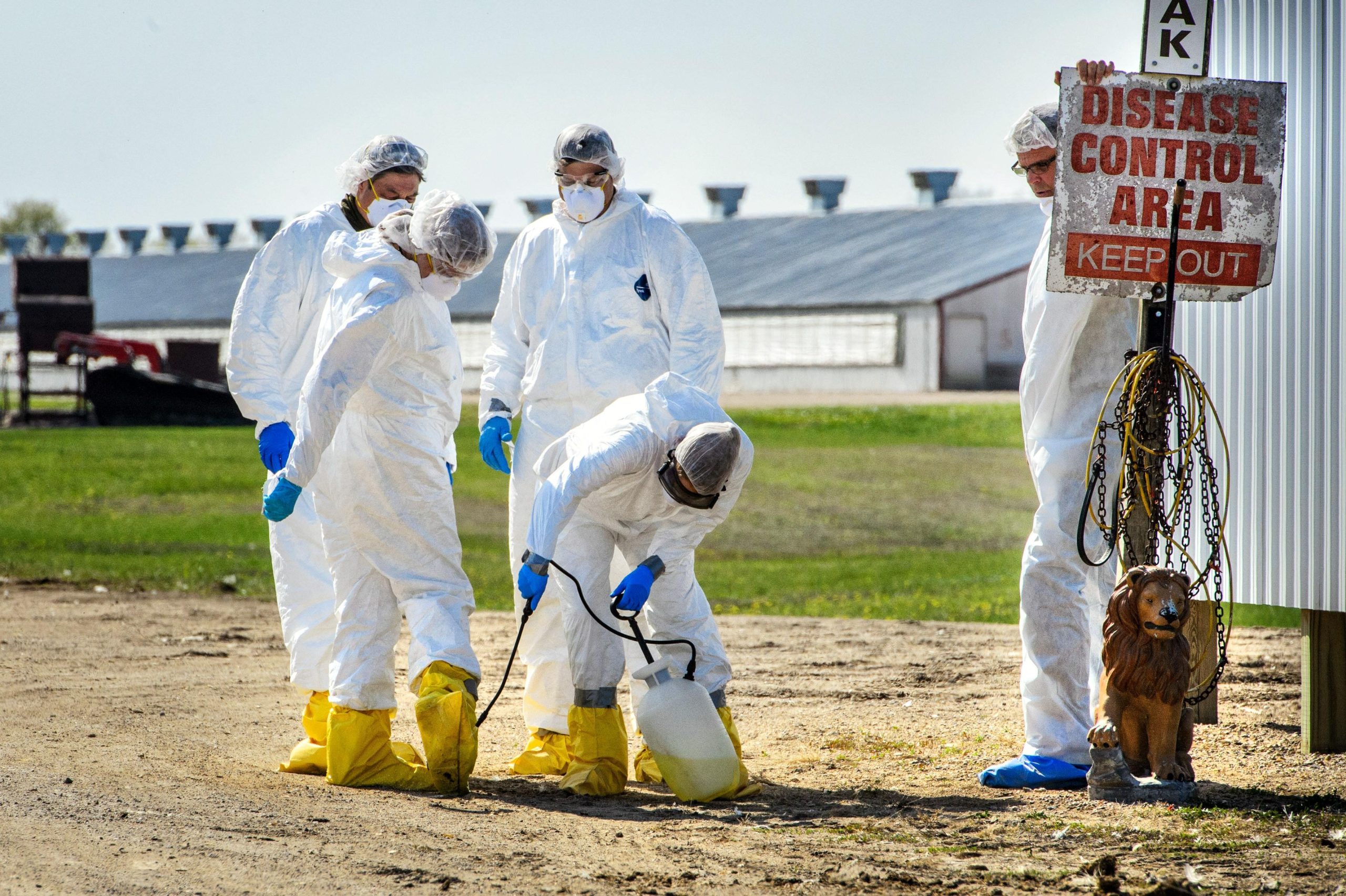
The specter of soaring egg prices looms large this winter, and a significant contributor is poised to be the highly pathogenic avian influenza, H5N1, commonly known as bird flu. Since 2022, this relentless virus has ravaged the U.S. poultry industry, leading to the tragic loss of over 160 million egg-laying hens. The direct consequence of this decimation is a sharp reduction in egg availability, inevitably translating to shortages and price surges that impact consumers nationwide.
This pattern isn’t new. In early 2023, a surge in avian flu activity corresponded with a staggering 65% increase in egg prices. The unsettling trend repeated in 2025, with the national average price for a dozen eggs exceeding $6. While market dynamics and potential collusion among major egg producers have also been cited as factors in price hikes, the pervasive threat of bird flu remains a primary driver of volatility in the egg market.
The Science of Containment and a Controversial Stance
The scientific community has developed and deployed effective strategies to mitigate the spread of HPAI, aiming to reduce the devastating mortality rates seen in poultry populations. These methods include stringent biosecurity measures, rapid detection, and depopulation of infected flocks to prevent wider transmission. However, the discourse surrounding disease prevention has been complicated by the anti-vaccination stance of Robert F. Kennedy Jr., a prominent figure whose views have been linked to skepticism regarding established public health interventions.
While the direct link between specific political viewpoints and the transmission of bird flu is complex, the broader conversation around public health measures and the importance of science-backed solutions is undeniable. The effectiveness of vaccines in preventing disease spread, not only in humans but also in animal populations, is a well-established scientific principle. The debate over vaccination, particularly in the context of animal health and the potential for zoonotic transmission, underscores the critical need for evidence-based approaches to disease management.
Economic Ripples and the Path Forward
The economic ramifications of widespread avian flu outbreaks extend beyond the grocery aisle. The poultry industry is a significant sector, and its instability can lead to job losses and broader economic disruption. The USDA’s efforts to disinfect farms and implement containment strategies are crucial, but the sheer scale of the outbreaks presents a formidable challenge.
As we navigate the approaching winter, the vulnerability of our food supply chain to avian influenza remains a pressing concern. The ongoing debate about disease prevention strategies, while often politically charged, ultimately hinges on scientific consensus and the collective will to implement measures that protect both public health and economic stability. The lessons learned from past outbreaks, coupled with a commitment to scientific innovation and informed decision-making, will be paramount in safeguarding against future crises and ensuring the availability of essential food products at accessible prices.
SOURCE: Vox
Based on materials: Vox



