
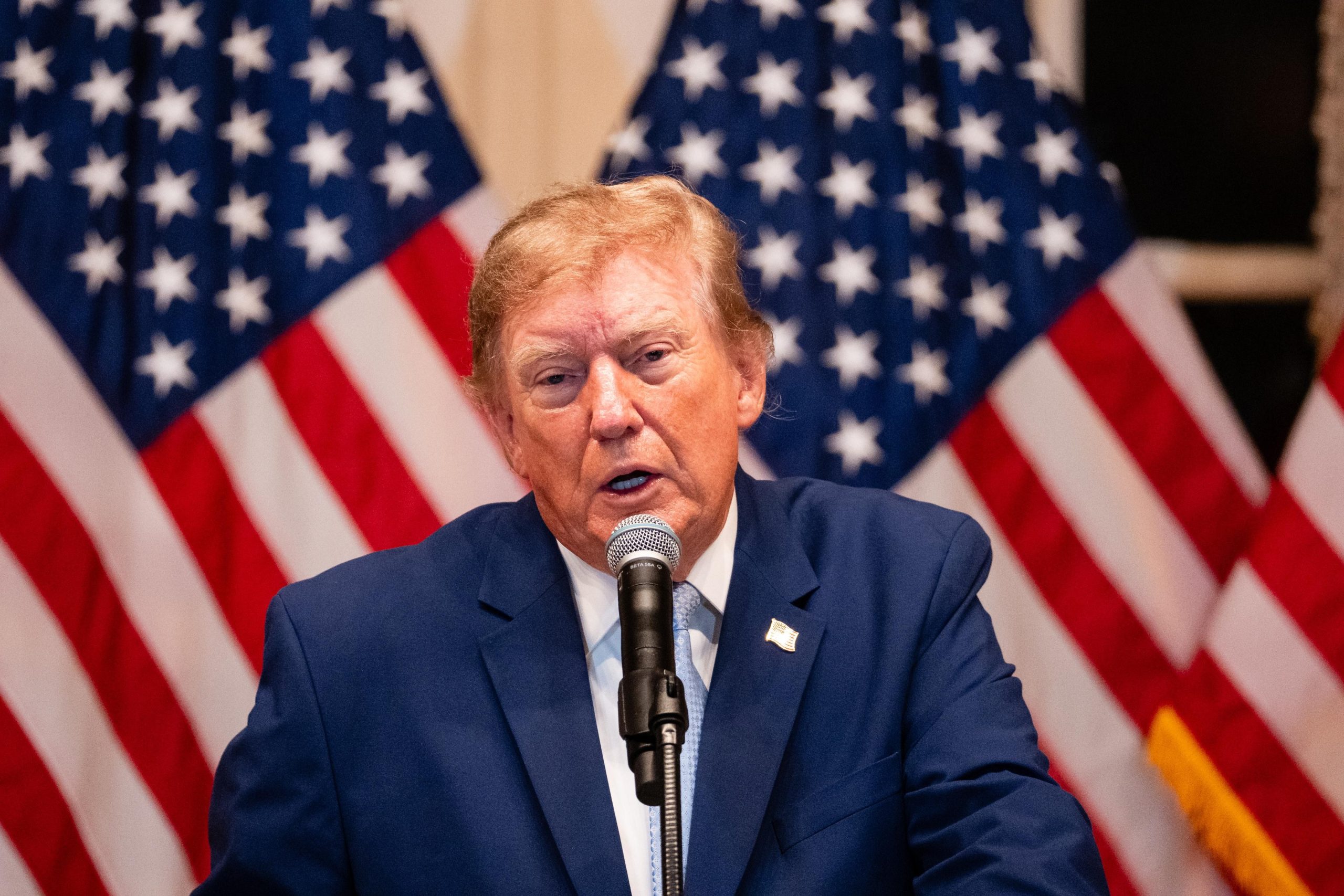
In a move that has sparked both relief and scrutiny, Russia has released Stephen Hubbard, a 74-year-old retired teacher, back to the United States. President Donald Trump announced the prisoner’s return via social media, stating that the U.S. was “not required to give anything in return,” a claim that is being met with considerable skepticism by foreign policy analysts and lawmakers. While Hubbard’s safe return is undeniably a positive development, the broader geopolitical implications and the potential quid pro quo are raising significant questions about the Trump administration’s engagement with Russia.
Unpacking the “No Deal” Narrative
The White House’s assertion that Russia acted purely out of “respect for President Trump” is a narrative that many find difficult to accept, particularly in light of recent diplomatic maneuvers. Critics point to a pattern of actions by the Trump administration that appear to benefit Russia, often defying bipartisan consensus and international pressure. Hubbard’s release, while seemingly a humanitarian gesture, is being viewed by some as a carefully orchestrated move to showcase a successful diplomatic outcome, potentially masking deeper concessions. The timing of this release, following a series of U.S. actions that have been perceived as favorable to Moscow, fuels this suspicion.
A Pattern of Concessions?
This isn’t the first instance where the Trump administration has been accused of aligning with Russian interests. In the month preceding Hubbard’s release, reports emerged of the President waiving previously imposed economic sanctions on Russia. These sanctions, intended to pressure Russia over its actions in various geopolitical arenas, were lifted under circumstances that many found inexplicable. Such decisions have consistently drawn criticism from both sides of the political aisle, with many arguing that they undermine U.S. foreign policy objectives and embolden adversaries. The administration’s consistent willingness to deviate from established diplomatic norms when it comes to Russia suggests a deliberate strategy, the full extent of which remains unclear.
The Broader Geopolitical Landscape
The release of Stephen Hubbard, while a welcome event for his family and friends, is a small piece in a much larger and complex geopolitical puzzle. The ongoing interactions between the Trump administration and Russia are being closely monitored by global powers and intelligence agencies. The question of what the U.S. truly gained, or what it may have implicitly offered, in exchange for Hubbard’s freedom is at the heart of the current debate. Understanding the true nature of these exchanges is crucial for assessing the direction of U.S.-Russia relations and their impact on international stability. The administration’s consistent efforts to de-escalate tensions with Russia, while ostensibly aimed at fostering dialogue, are being scrutinized for any signs of compromise that could inadvertently weaken U.S. leverage on the world stage.
Based on materials: Vox



