
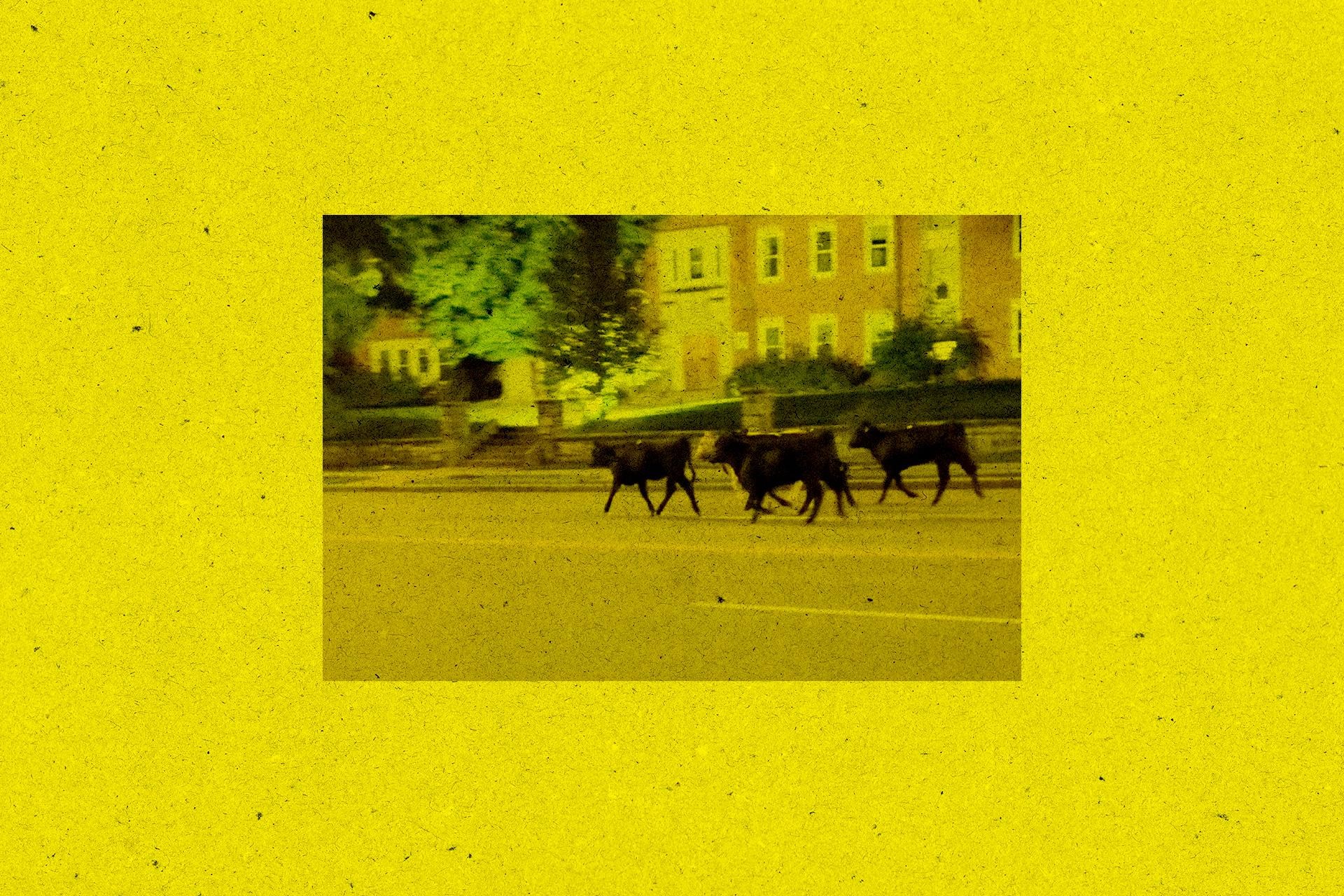
A bizarre scene unfolded in the heart of Kansas City last weekend, as dozens of young cattle escaped a crashed semi-truck and flooded the city streets. While the sight of a bovine stampede might have provided a moment of viral amusement for some, the incident serves as a stark reminder of the often-unseen realities of modern agriculture.
The chaotic event began in the dead of night when a truck hauling nearly 120 calves lost control and plunged from a highway interchange. The resulting spill freed a significant number of the young animals, who then embarked on a bewildering journey through the urban landscape. While the truck driver and another individual sustained only minor injuries, the toll on the livestock was devastating. Many perished instantly, others suffered severe injuries, and a substantial group broke free, scattering for miles through the city.
Beyond the Viral Spectacle
The image of cows galloping through city streets, pursued by emergency responders and impromptu “cowboy” brigades armed with everything from ropes to electric cords, quickly dominated social media. However, beneath the surface of this unusual news story lies a deeper, more unsettling narrative about the industrialization of animal agriculture. This incident, while dramatic, is a localized manifestation of systemic issues that impact millions of animals daily. The sheer scale of livestock transported across the country, often in crowded conditions and over long distances, inherently carries risks. Accidents like this, though infrequent in their public visibility, are a constant threat within the supply chain.
The Unseen Lives of Farm Animals
The true tragedy of such events often lies beyond the immediate damage. For the young calves involved, their brief, terrifying escape from the confines of the truck represents a stark contrast to the lives they were destined for. These are not wild animals; they are commodities raised for meat production. The incident highlights the disconnect between the food on our plates and the complex, often arduous journey of its production. It forces a reckoning with the scale of operations, the welfare considerations during transport, and the inherent vulnerability of sentient beings within a highly industrialized system. The emergency response, while necessary to manage the immediate situation, also underscores the artificiality of forcing such animals into an urban environment, a far cry from any natural habitat.
A Wake-Up Call for Consumers
While the Kansas City stampede was an anomaly in its public presentation, it serves as a potent symbol for broader conversations about our food systems. It prompts questions about animal welfare standards, the ethics of long-distance transportation of livestock, and the environmental impact of large-scale farming. As consumers, we are increasingly removed from the realities of food production, making viral moments like this a rare, albeit unsettling, glimpse behind the curtain. The incident, therefore, transcends a simple news report of an accident; it is a commercial reality check, revealing the often-hidden costs and consequences of feeding a global population. It’s a call to consider not just the price of meat, but the entire chain of life and well-being involved in its journey to our tables.
Based on materials: Vox



