
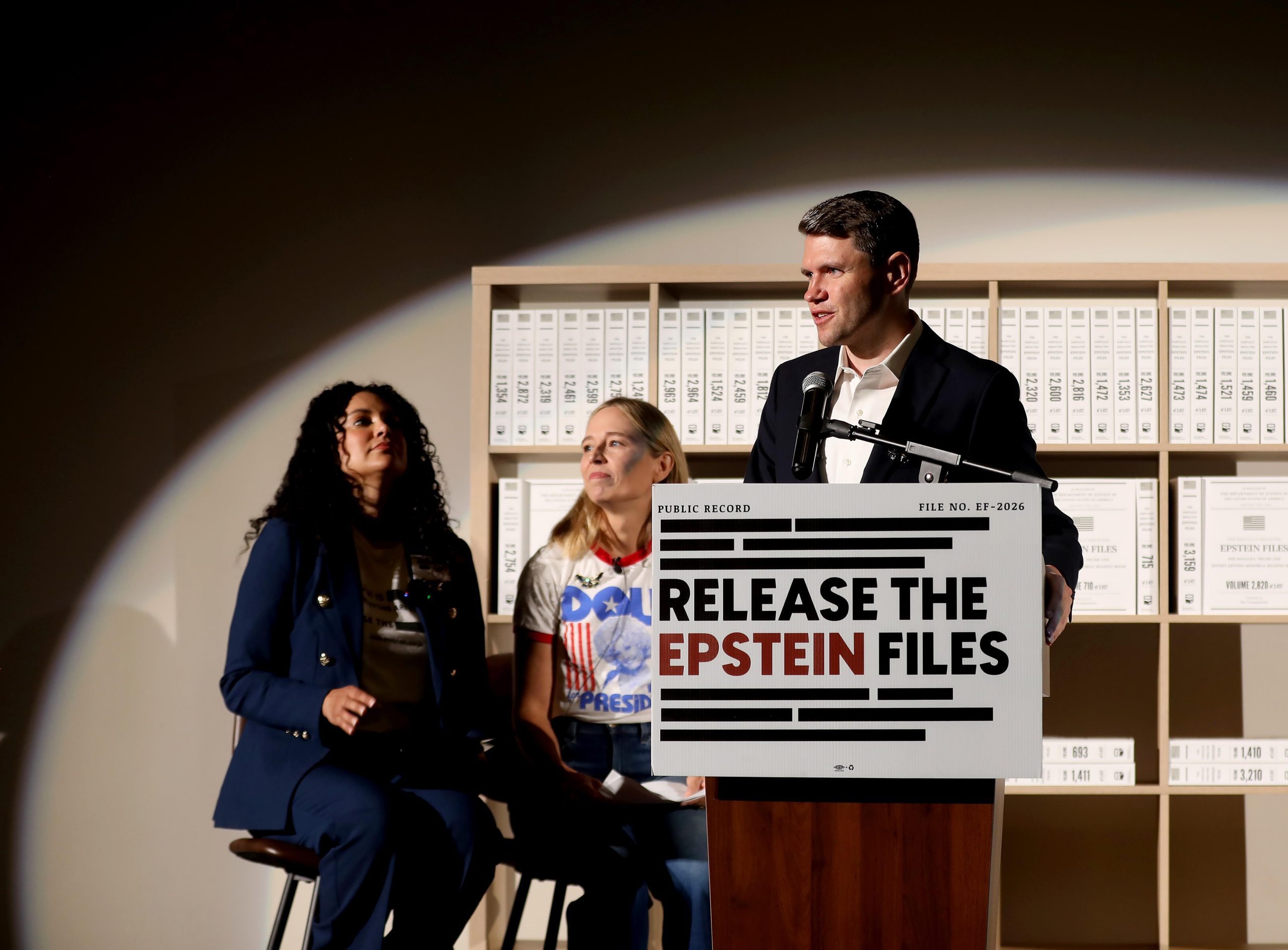
The lingering shadow of Jeffrey Epstein, the convicted sex offender whose death in 2019 remains a subject of intense speculation, has once again taken center stage in American politics. With midterm elections on the horizon, the controversial figure and the ongoing release of documents related to his activities are fueling a new wave of political attacks and calls for accountability.
The Epstein saga, which first surfaced prominently nearly two decades ago, is now being weaponized in campaign ads across the country. These advertisements, often graphic in nature, aim to link political opponents to the convicted sex offender, leveraging the public’s enduring shock and disgust surrounding his crimes. This tactic highlights a growing trend of using deeply personal and often sensational scandals to sway voters, particularly in close electoral races.
Congressional Scrutiny Intensifies
Beyond the campaign trail, the Epstein files themselves are undergoing renewed scrutiny in Washington. A second legislative push is underway to mandate the release of further documents, promising to shed more light on Epstein’s extensive network and the individuals he associated with. This legislative momentum suggests a bipartisan desire, or at least a politically potent opportunity, to address the lingering questions surrounding Epstein’s operations and the alleged complicity of powerful figures.
Adding fuel to this fire, House Democrats recently unveiled a report alleging a potential cover-up within the Justice Department concerning Epstein’s ties to former President Donald Trump. The report calls for an independent criminal investigation, signaling a serious accusation of governmental obstruction. While the aspiration for such an investigation is clear, the political realities of achieving it, especially concerning a former president, remain complex and highly charged.
Broader Implications for Political Discourse
The resurgence of the Epstein scandal underscores a critical challenge facing contemporary politics: the intersection of personal scandals, legal proceedings, and electoral strategy. The willingness of campaigns to delve into such sensitive and disturbing territory reflects a calculated risk, betting that voter outrage and a desire for justice will outweigh any potential backlash.
Furthermore, the focus on the Justice Department’s alleged role raises broader questions about institutional accountability and transparency. As more information emerges, the public will be watching closely to see if any concrete actions are taken to address these serious allegations. The Epstein case, once again, serves as a stark reminder of how past transgressions can continue to ripple through the political landscape, influencing current debates and potentially shaping the future of political accountability. The coming months will likely reveal the extent to which this renewed focus on Epstein impacts voter sentiment and the broader political narrative.
Based on materials: Vox



