
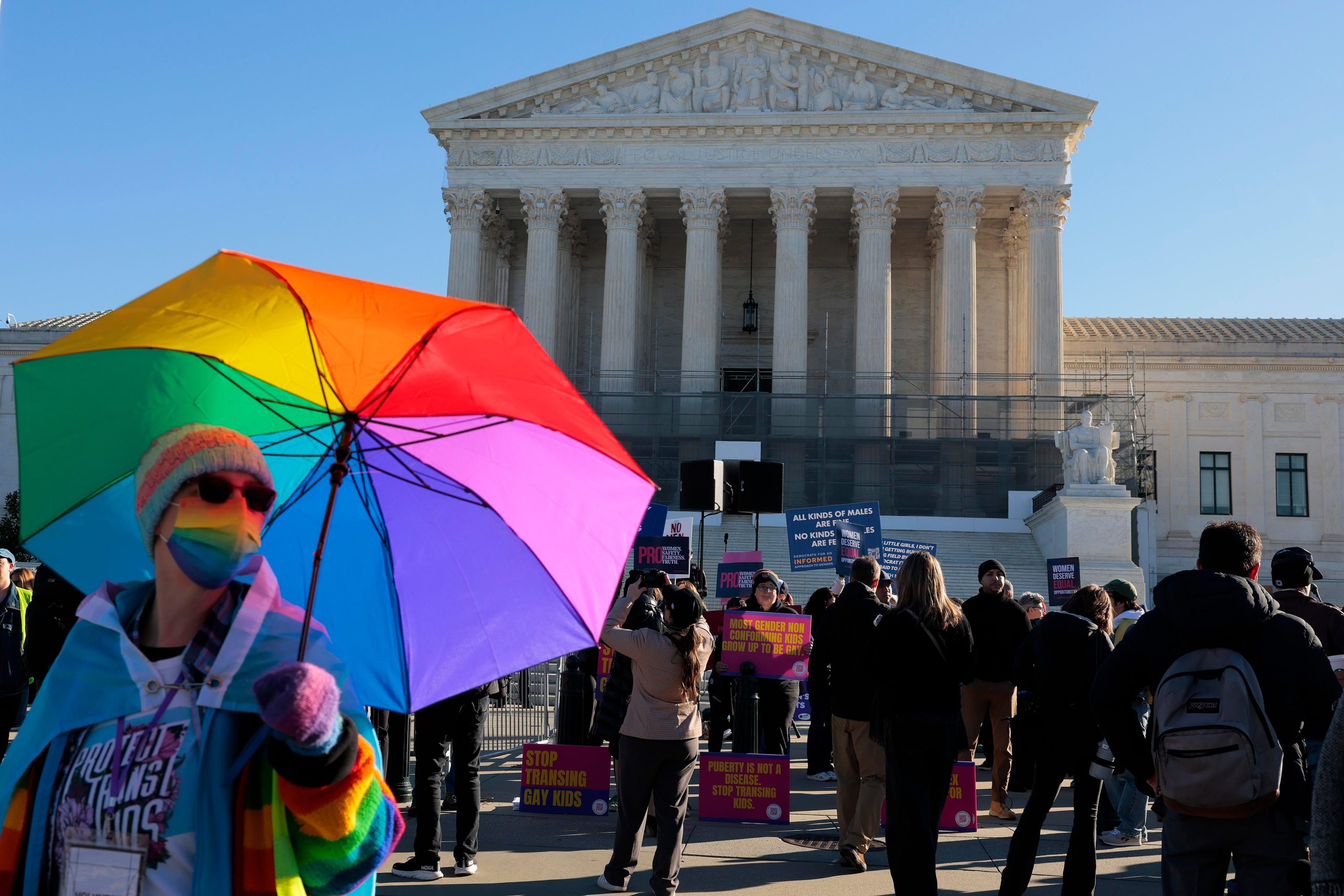
The Supreme Court is signaling a potential shift in how public funds are distributed to private schools, with a recent argument in
St. Mary Catholic Parish v. Roy
suggesting a willingness to allow state funding for institutions that discriminate against LGBTQ families and students. This landmark case probes the intersection of religious freedom, anti-discrimination laws, and taxpayer-funded education.
A Constitutional Conundrum: Funding Discrimination?
At the heart of the
St. Mary
case is a Colorado program that offers state-funded preschool to all children, allowing families to select participating private schools. However, the program includes a crucial stipulation: schools receiving these funds must not discriminate based on sexual orientation or gender identity. The plaintiffs, including St. Mary Catholic Parish, argue that this requirement infringes upon their religious freedom, asserting that they should not be compelled to adhere to state anti-discrimination mandates when accepting public dollars.
The recent Supreme Court arguments revealed a complex legal landscape. While many anticipated a unanimous conservative bloc to rule in favor of the religious schools, a surprising moment emerged when Chief Justice John Roberts appeared to consider upholding Colorado’s policy. This brief flicker of potential dissent highlighted the intricate balancing act the Court faces between protecting religious expression and ensuring equal treatment for all citizens.
The Stakes for LGBTQ Students and Families
The implications of the Supreme Court’s decision extend far beyond the immediate parties involved. If the Court rules in favor of the religious schools, it could open the door for other states to provide public funding to institutions that practice discrimination. This would disproportionately affect LGBTQ students and families, potentially limiting their access to educational opportunities and fostering environments where they are not treated with the same respect and dignity as their peers.
Legal experts suggest that such a ruling could embolden a wave of similar legal challenges across the country, further blurring the lines between public and private education and challenging existing anti-discrimination protections. The case raises fundamental questions about the government’s role in supporting religious institutions and the extent to which religious freedom can be invoked to justify discriminatory practices, even when taxpayer money is involved.
A Defining Moment for Equality in Education
The
St. Mary
case represents a critical juncture in the ongoing debate over LGBTQ rights and religious freedom in the United States. The Supreme Court’s ultimate decision will not only shape the future of educational funding but also set a significant precedent for how anti-discrimination laws apply in the context of religiously affiliated schools receiving public support.
As the nation awaits the Court’s ruling, advocates on both sides are closely watching, recognizing the profound impact this case could have on the landscape of education and civil rights for years to come. The arguments presented suggest that the Court is grappling with deeply held beliefs and the evolving interpretation of constitutional rights in a diverse society.
SOURCE: Vox
Based on materials: Vox



