
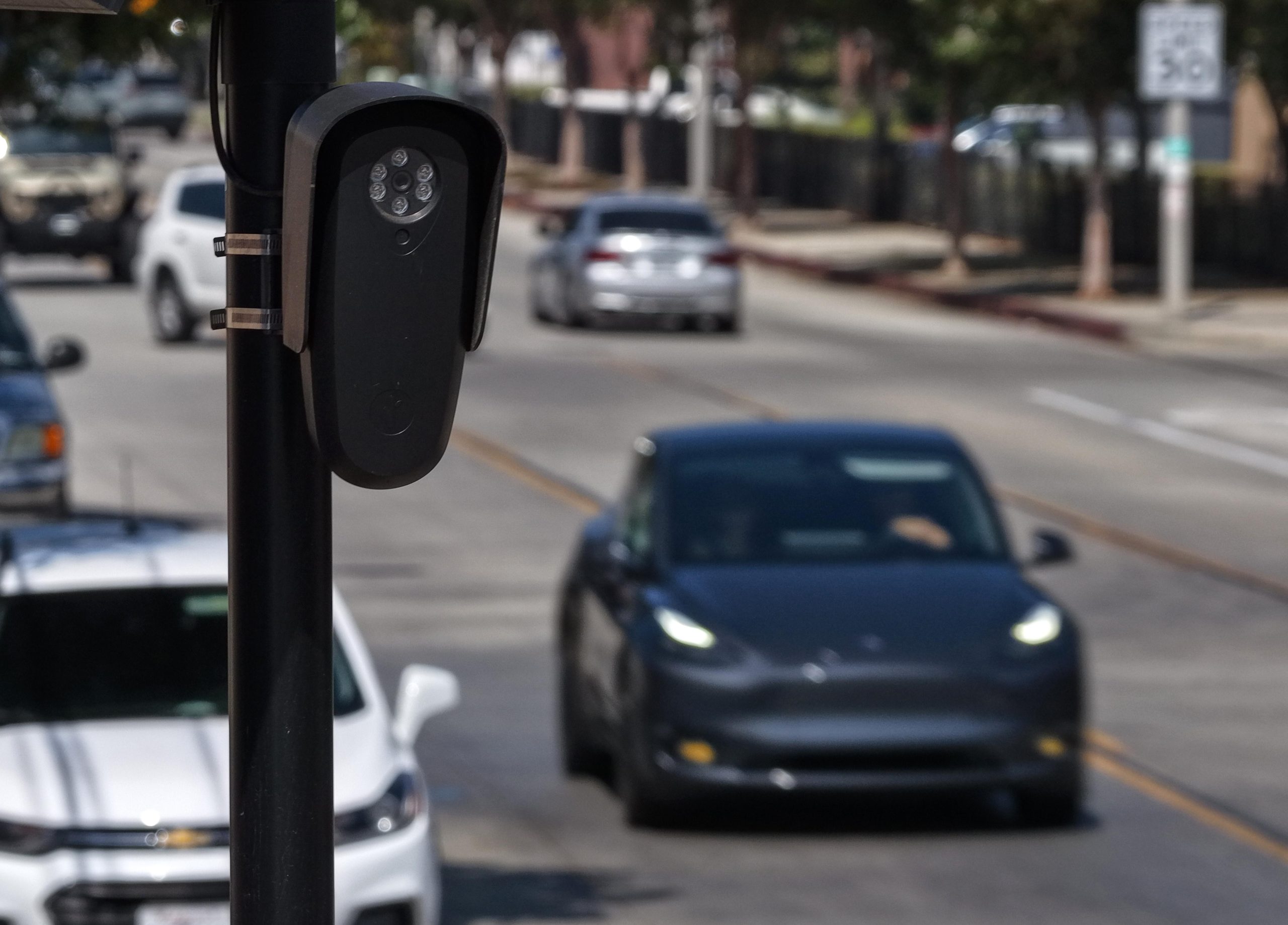
A growing wave of citizen-led opposition is challenging the rapid expansion of automated license plate reader (ALPR) technology, with recent local elections in Texas and Maine delivering decisive victories against Flock Safety cameras. These votes signal a potential turning point in the national debate over privacy, surveillance, and the unchecked deployment of AI-enabled tools by law enforcement.
Rising Concerns Over Mass Surveillance
Flock Safety, a prominent provider of ALPR systems, has seen its cameras proliferate across thousands of American communities in recent years. While often pitched as a crime-fighting tool, the widespread installation of these AI-powered devices has ignited significant public apprehension. Critics point to the potential for pervasive surveillance, the erosion of privacy rights, and the risk of misuse by law enforcement agencies as core concerns. This growing unease has prompted several cities to reconsider or terminate their contracts with Flock Safety, but the recent mid-term ballot measures represent a more direct form of democratic rejection.
Local Votes Signal a Shifting Tide
In what appears to be a significant development for civil liberties advocates, residents in two separate towns, one in Texas and another in Maine, cast their votes against the continued use of Flock cameras. While the specific details of the ballot measures and the margin of victory are still emerging, the outcomes underscore a palpable public sentiment against the expanding surveillance infrastructure. These two communities, though small in the grand scheme of the thousands of municipalities utilizing ALPR technology, demonstrate a tangible pathway for citizens to push back against what many perceive as an encroaching surveillance state. The success in these local elections offers a beacon of hope for broader campaigns challenging mass surveillance initiatives across the country.
The Road Ahead for Privacy Advocates
The victories in Texas and Maine, while symbolic and important for local control, are unlikely to dismantle the vast network of surveillance cameras nationwide on their own. However, they serve as powerful proof of concept, emboldening activists and residents in other locales to voice their opposition and organize for similar ballot initiatives or policy changes. The key challenge moving forward will be to translate this localized success into a more widespread movement. As more communities grapple with the implications of these technologies, the debate over balancing public safety with fundamental privacy rights is set to intensify, with these recent votes offering a compelling precedent for how citizens can reclaim control over their digital and physical spaces. The question remains: can this momentum build into a sustained challenge to the ubiquitous presence of AI-powered surveillance?
Based on materials: Vox



