
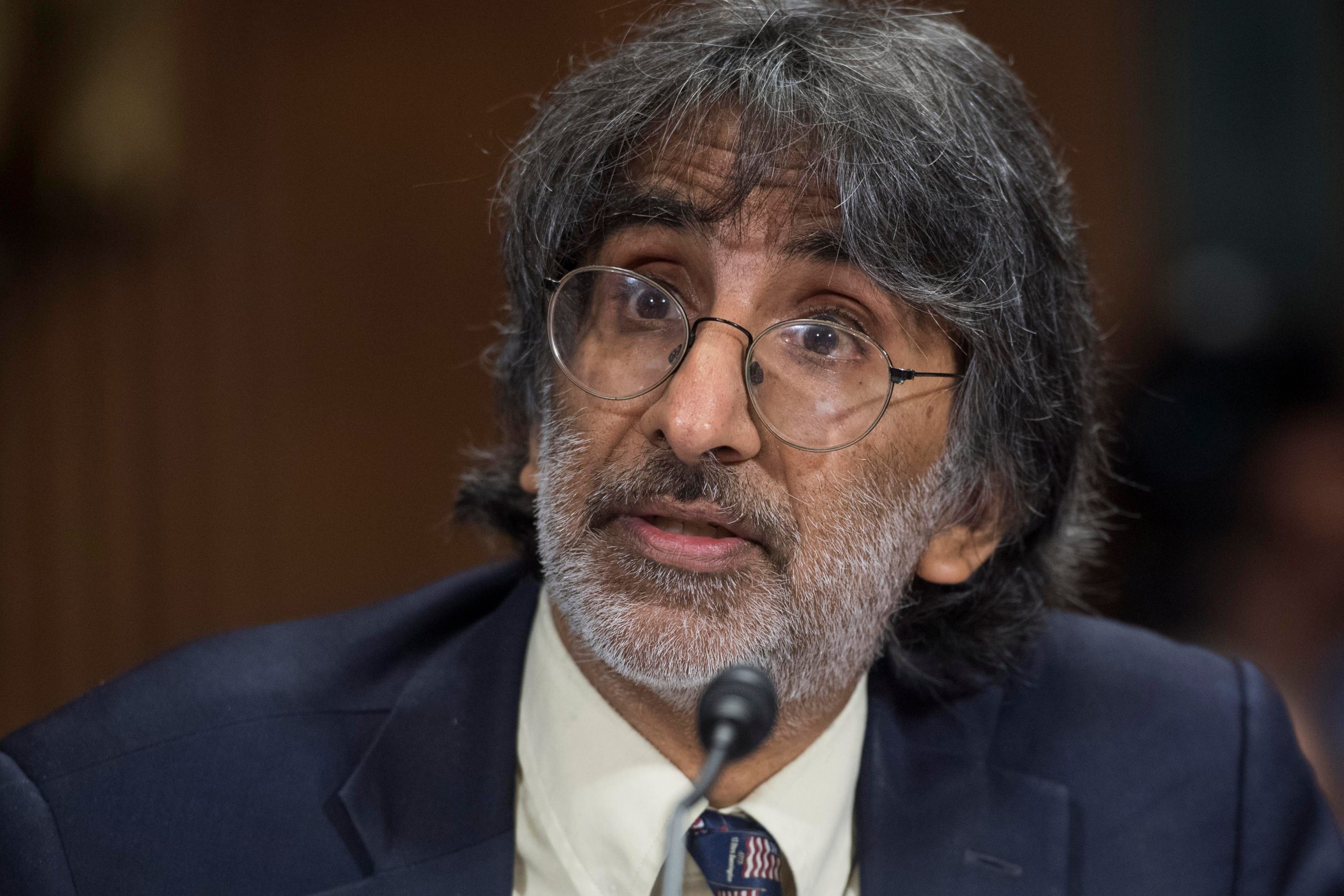
The long-debated future of the Electoral College appears to be at a critical juncture, with a significant political shift potentially paving the way for a national popular vote system. A substantial “blue wave” in the 2026 midterm elections, which saw Democrats gain full control of state governments in Arizona, Michigan, Nevada, Pennsylvania, and Wisconsin, has brought a two-decade-old initiative—the National Popular Vote Interstate Compact (NPVIC)—closer than ever to achieving its goal. However, a prominent architect of this plan, Yale University law professor Akhil Reed Amar, is reportedly experiencing second thoughts.
The NPVIC, already approved by 18 states, operates on a simple premise: participating states would pledge their electoral votes not to the candidate who wins their individual state, but to the candidate who secures the most votes nationwide. The crucial caveat is that this commitment only becomes binding once enough states join the compact to collectively represent at least 270 electoral votes, the number required to win the presidency. This “tipping point” is what the recent Democratic gains in key swing states have brought within reach.
A Shifting Landscape for Presidential Elections
For years, the NPVIC has been a strategic objective for those advocating for a direct popular election of the president. The logic is that this system would eliminate the perceived inequities of the Electoral College, where a candidate can win the presidency without winning the national popular vote, a scenario that has occurred multiple times in US history. The recent electoral successes for Democrats in crucial battleground states now provide the political momentum and legislative power needed to push this compact across the finish line. The addition of Arizona, Michigan, Nevada, Pennsylvania, and Wisconsin, all of which have previously expressed interest or taken steps towards joining the NPVIC, significantly bolsters the compact’s numbers.
Internal Hesitation Amidst Progress
Despite this apparent surge in support, reports suggest that Professor Amar, a key figure in developing and advocating for the NPVIC, is experiencing a change of heart. While the exact reasons for his alleged second thoughts remain undisclosed, they could stem from a variety of concerns. These might include the potential for unintended consequences, the legal challenges the compact could face, or perhaps a reassessment of the broader political implications of such a fundamental change to the electoral process. His evolving perspective adds a layer of complexity to the ongoing debate, highlighting that even proponents of major reforms can encounter evolving doubts as their plans move closer to fruition.
The Path Forward: Uncertainty and Debate
The potential abolition of the Electoral College through the NPVIC represents a seismic shift in American presidential politics. If the compact reaches the 270-vote threshold, it would effectively bypass the need for a constitutional amendment, a notoriously difficult process. However, the legal and political ramifications of such a move are still subject to intense scrutiny and debate. Legal scholars anticipate significant challenges from states that oppose the compact, and the political response from those who benefit from the current system is expected to be robust. Professor Amar’s reported reservations, regardless of their specifics, underscore the profound and multifaceted nature of this potential transformation in how the United States elects its president. The coming months will be crucial in determining whether this long-sought reform will indeed reshape the American electoral landscape.
Based on materials: Vox



